Inside the newly renovated Laperal Mansion
Tour a heritage revival now designated as the official Presidential Guest House for foreign heads of state and government


Heritage sites throughout the Philippines offer a glimpse into the nation's history, providing insight into what life was like in the past. Through restoration and preservation efforts, these sites serve as a platform to showcase Filipino culture, fostering a deeper appreciation for the diverse and rich cultural identity of the country.

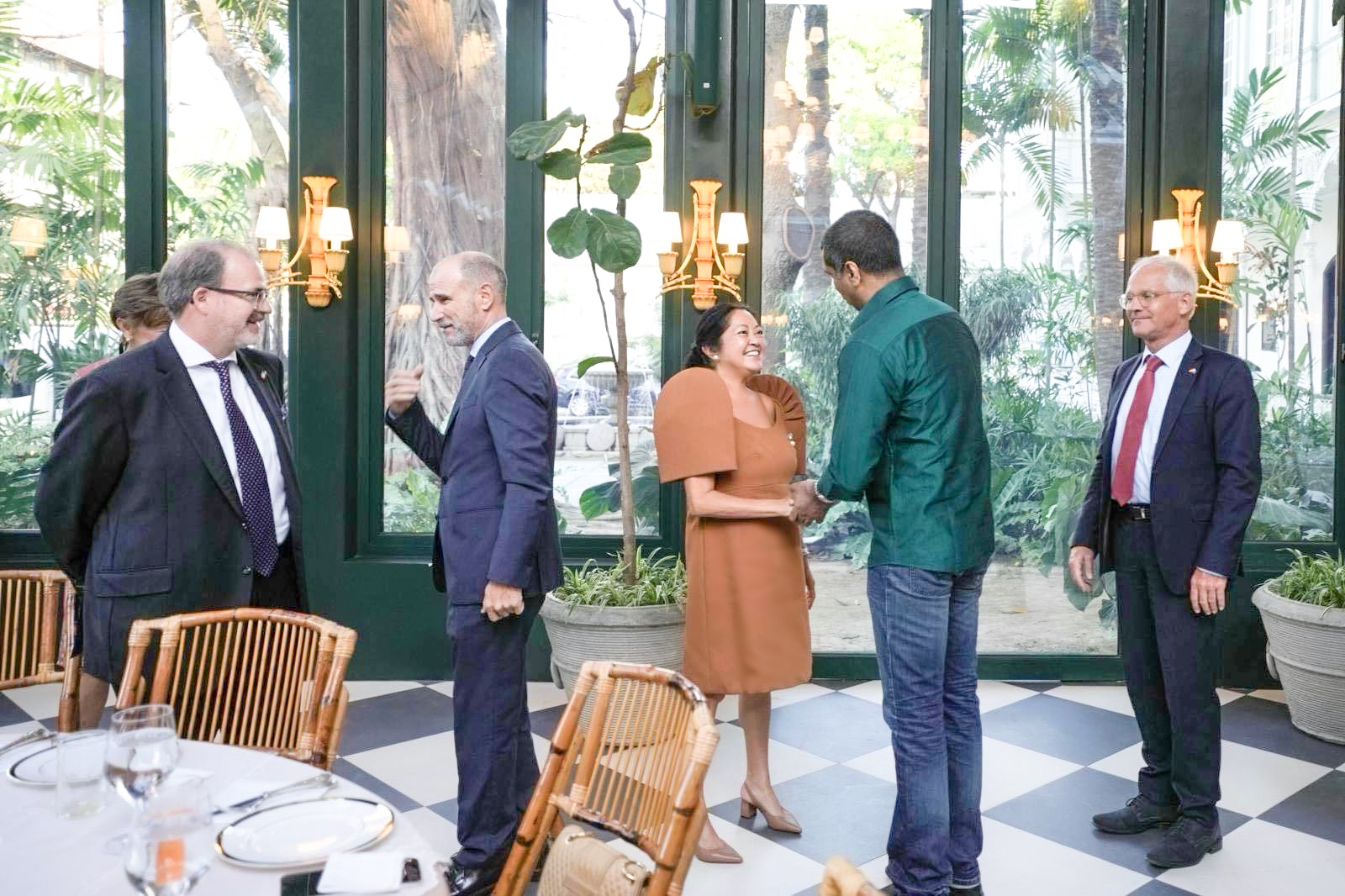
A guided tour of the most significant houses in the country was arranged for ambassadors stationed in the Philippines as part of President Ferdinand R. Marcos, Jr.'s commitment “to treasuring and preserving our country’s history while strengthening our diplomatic ties,” according to a press statement.
Featured in the tour are three houses restored as museums that are free for everyone to visit and enjoy. Among these were the Goldenberg Mansion, a former Presidential guest house; Teus Mansion, a 19th-century home housing the Presidential Museum; and Bahay Ugnayan, housing the current president’s "Road to Malacañang."
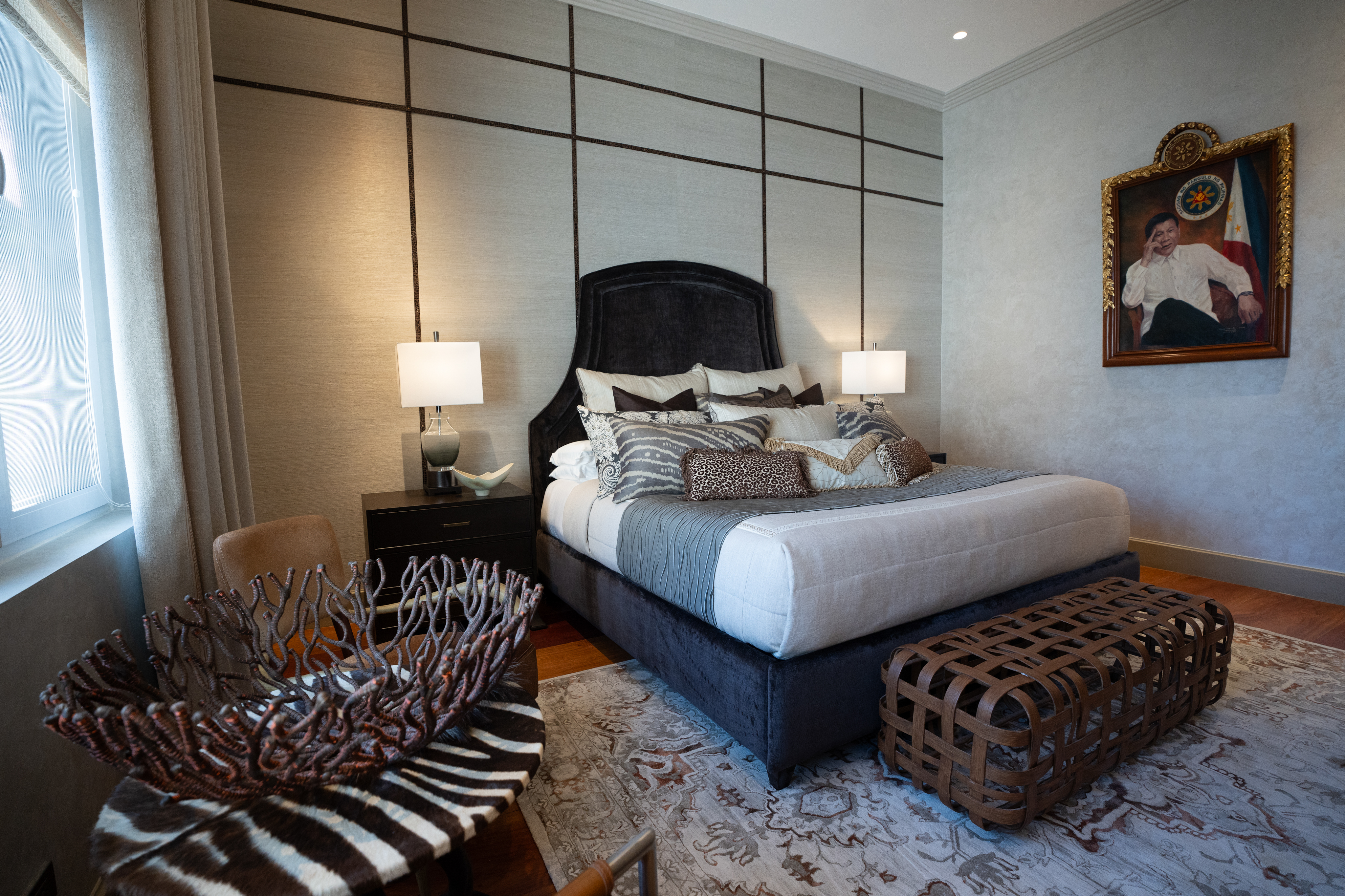
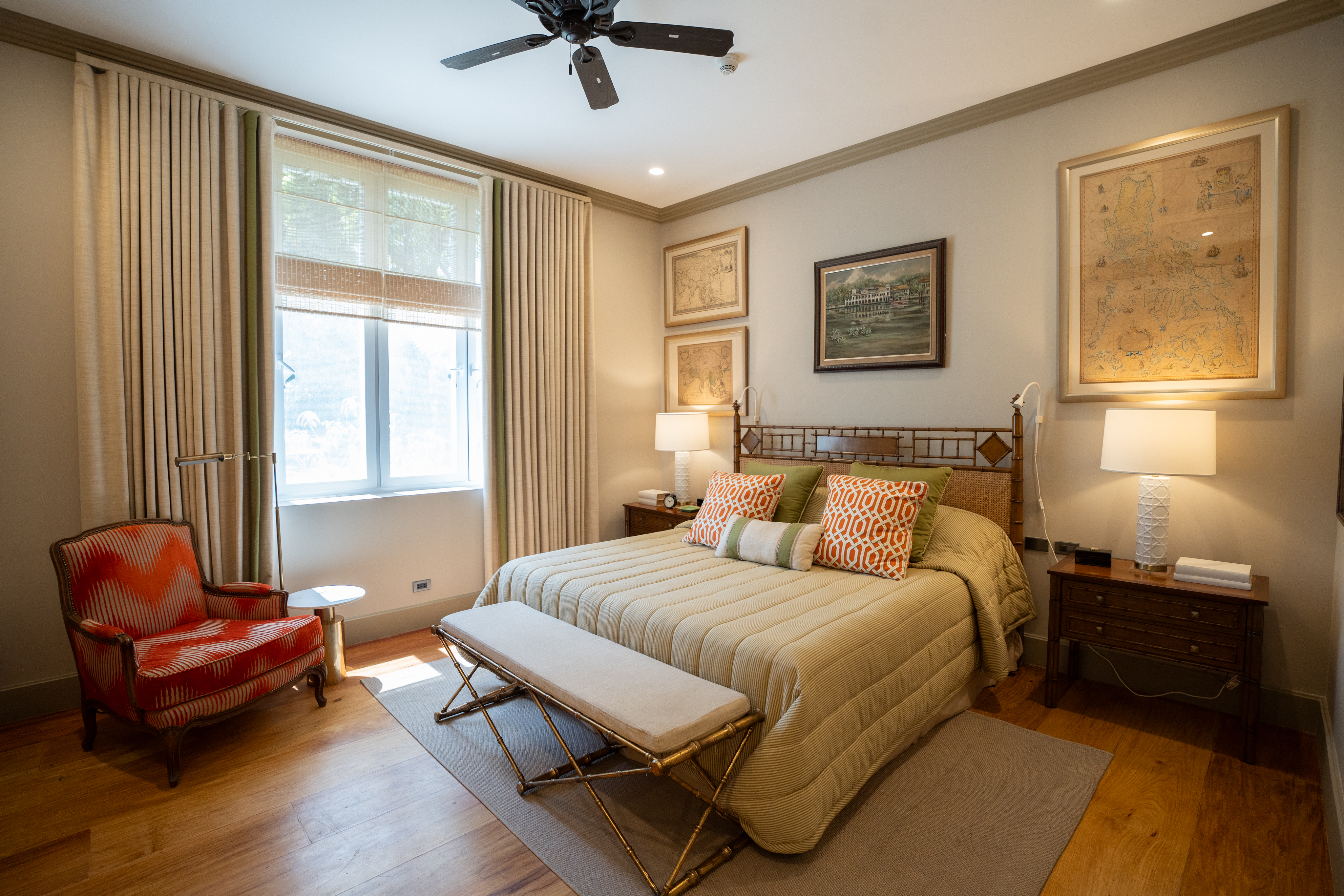
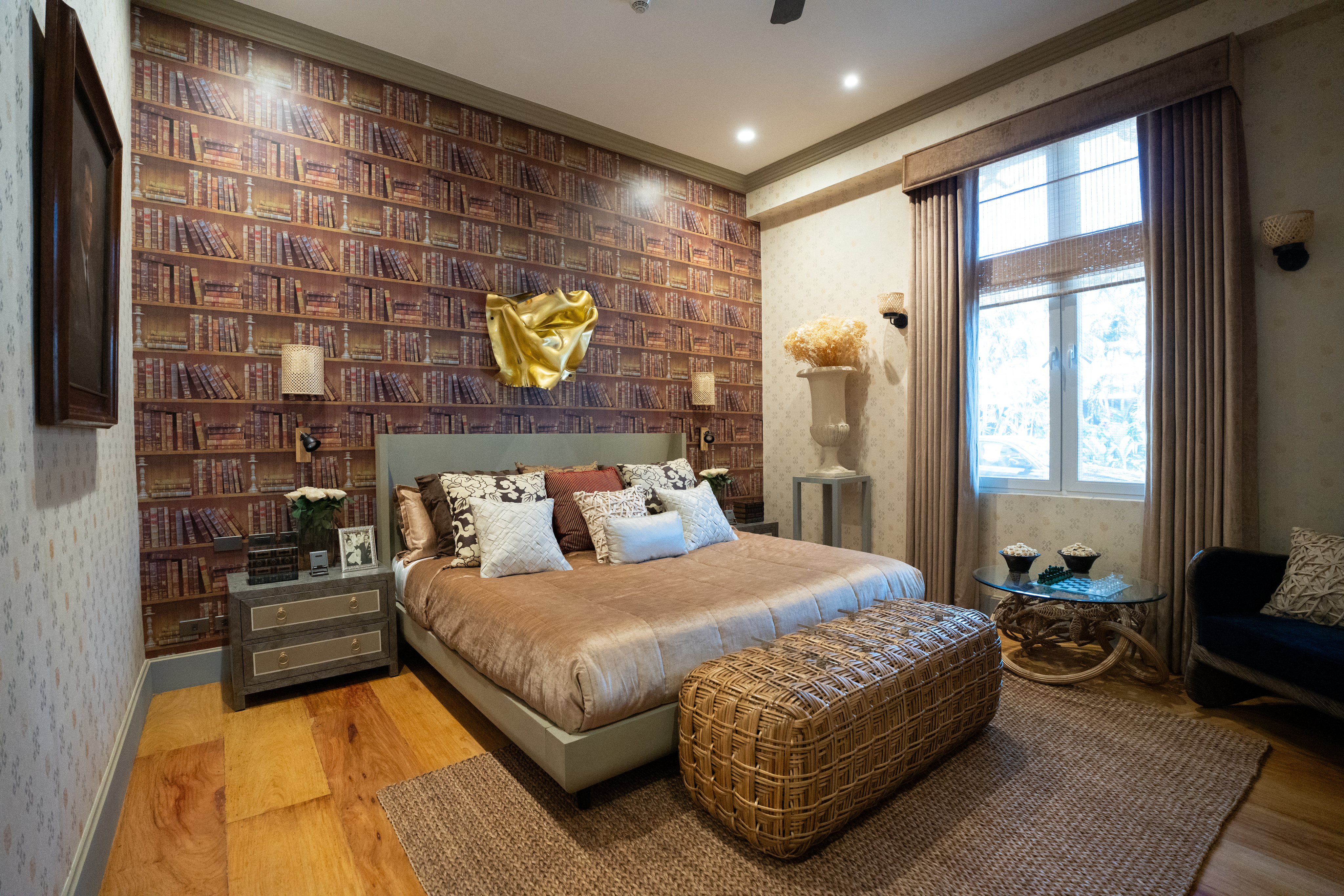
The tour's high point was the Laperal Mansion, formerly known as the Arlegui Guest House, which is next to Malacañan Palace on Arlegui Street. It is intended to host visiting leaders of state and government as the official Presidential Guest House.
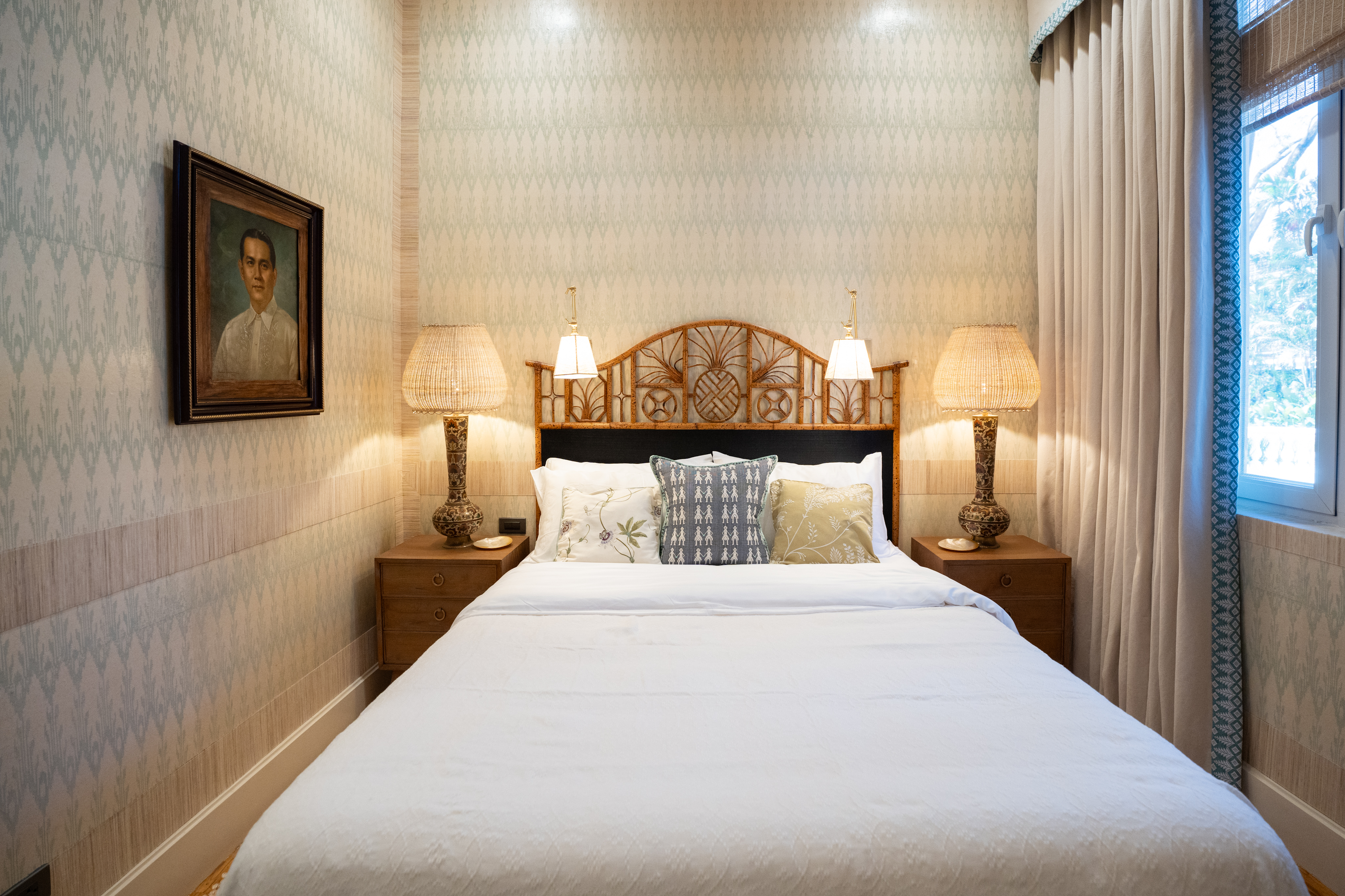
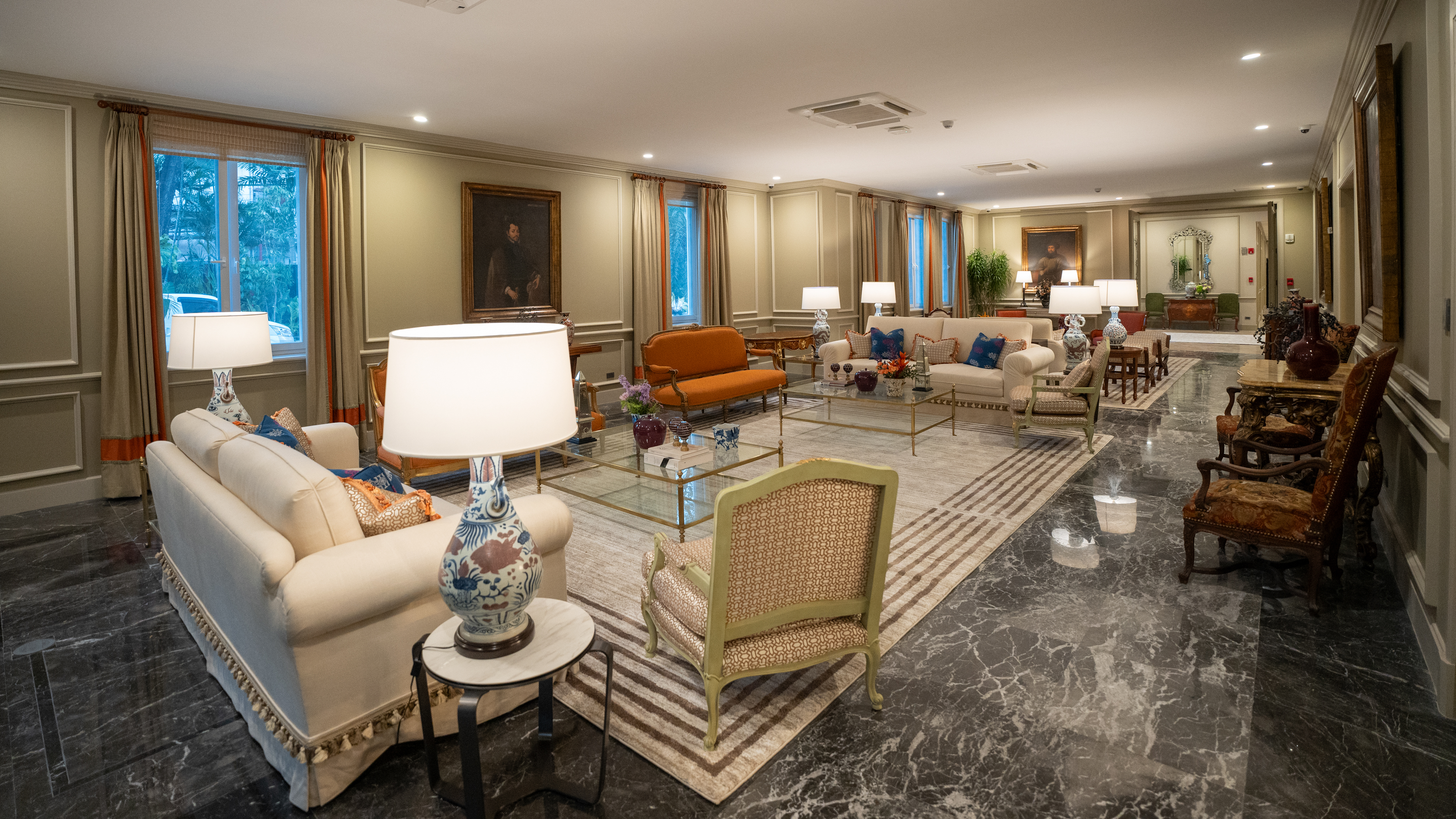

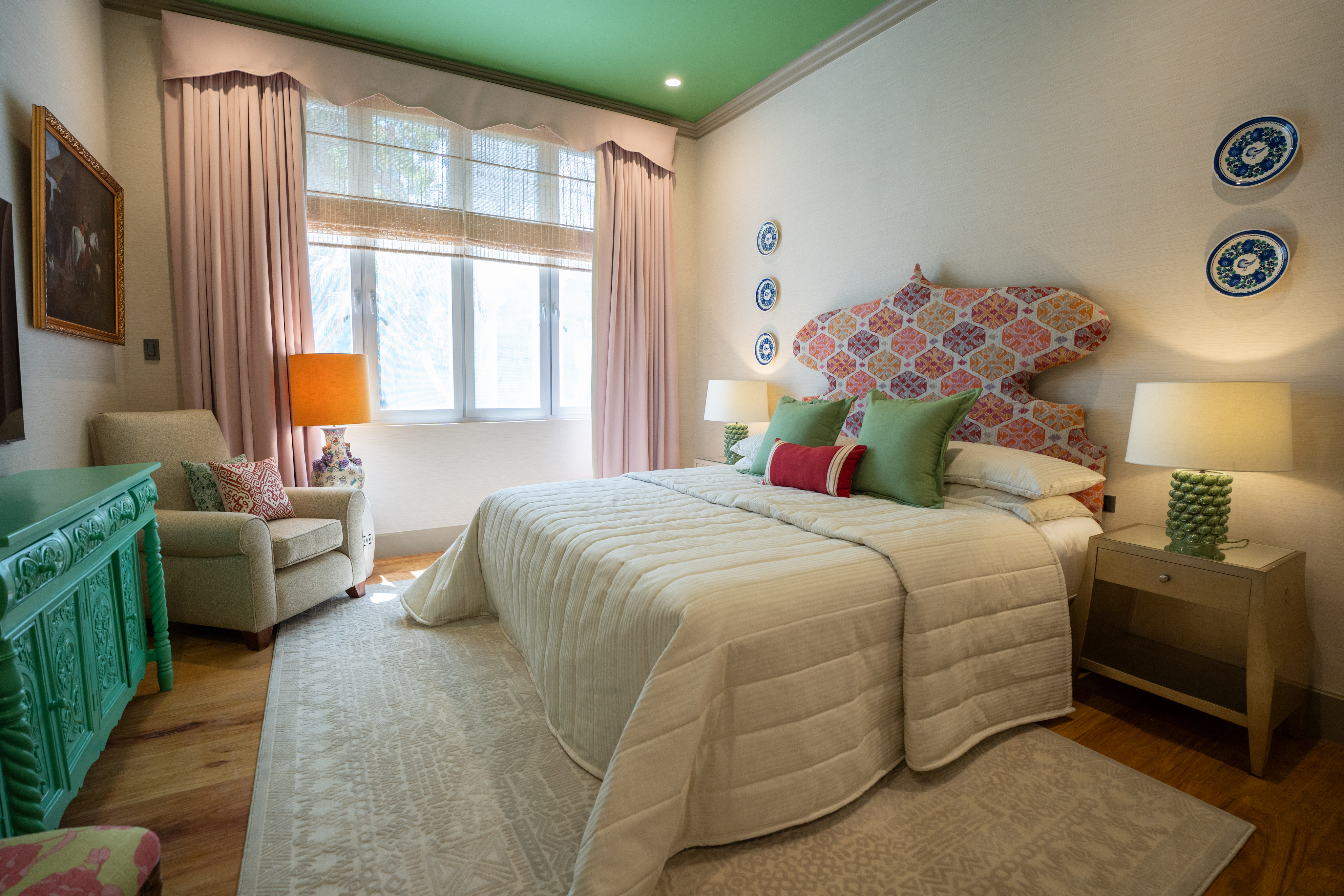
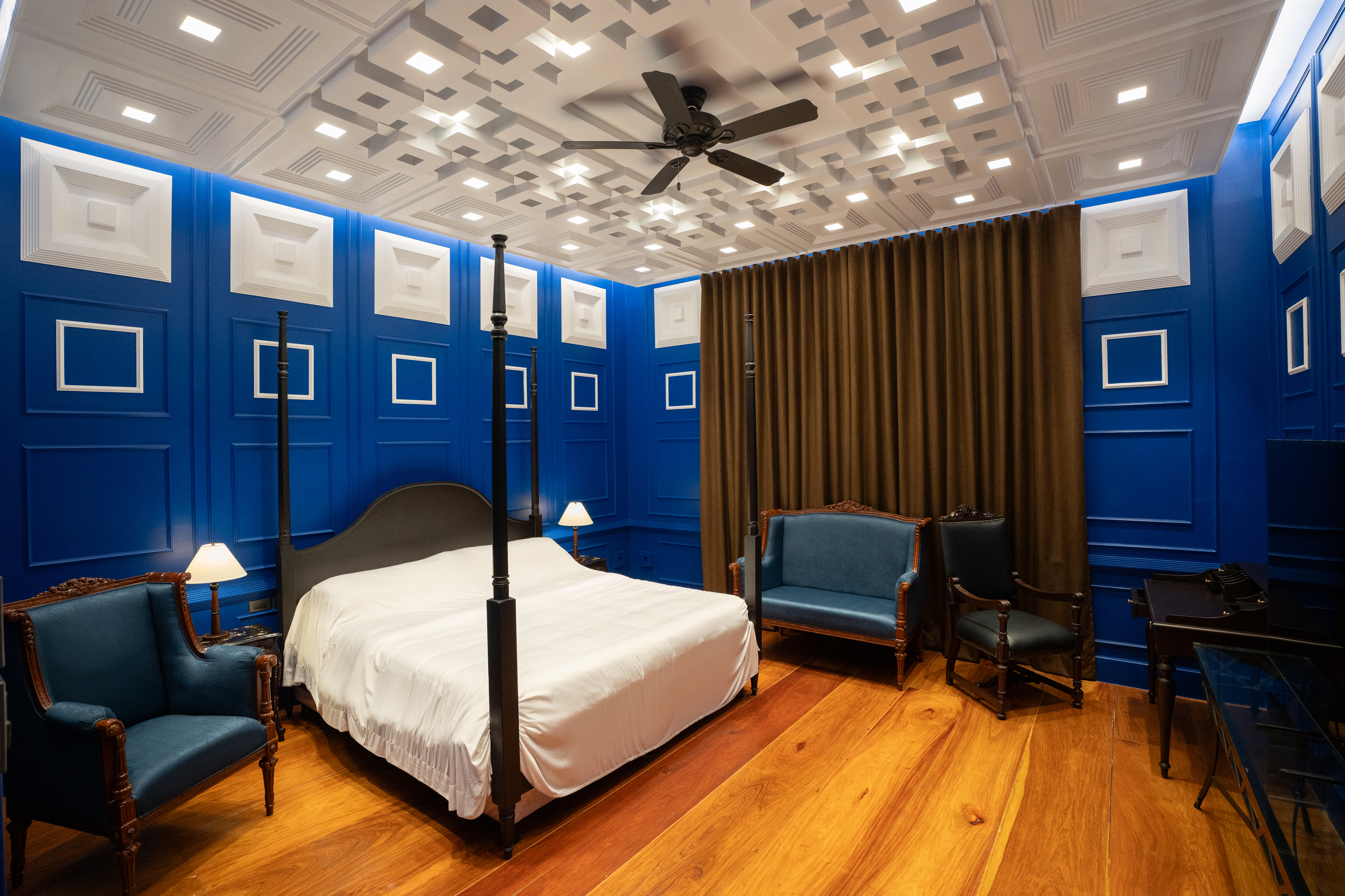
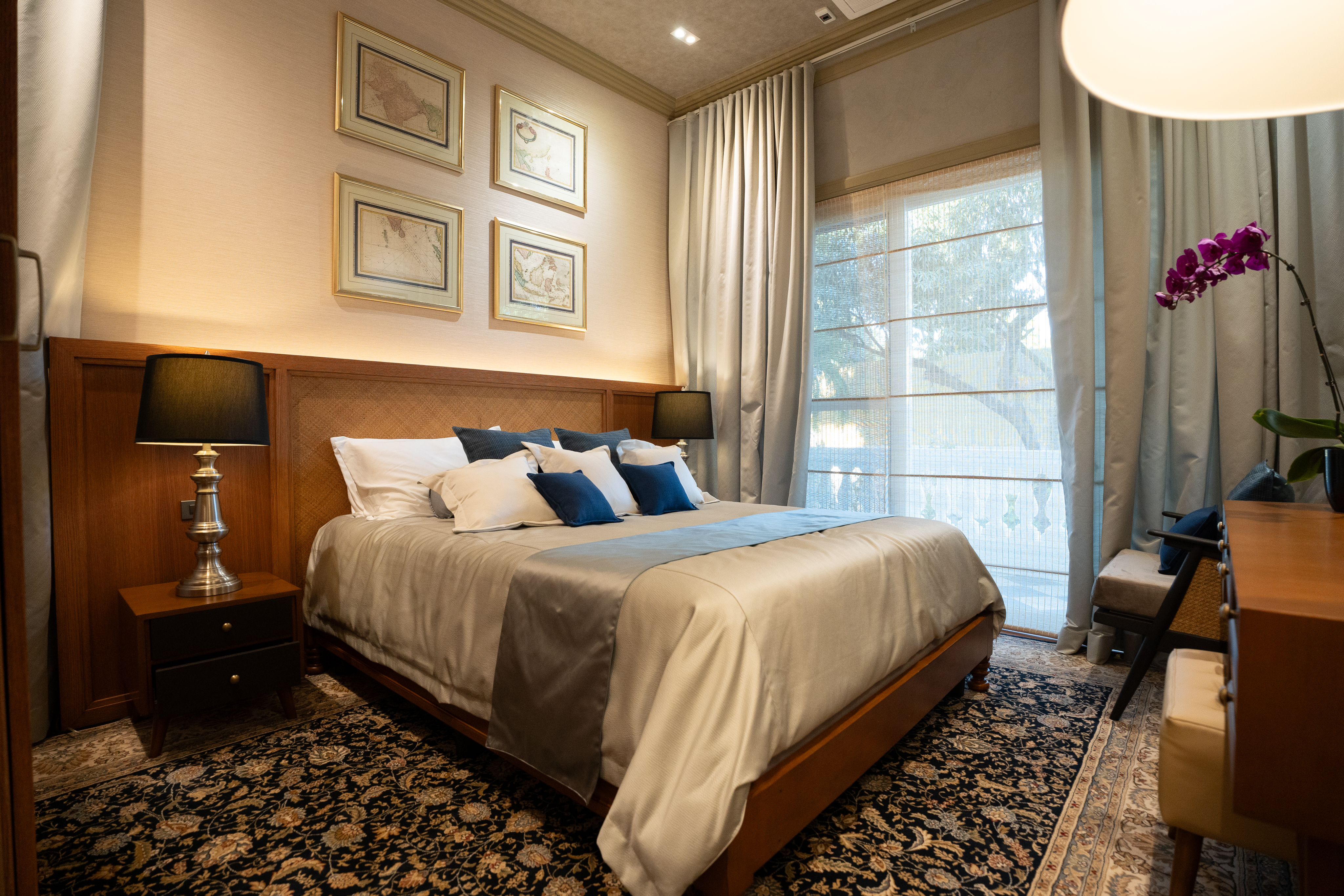
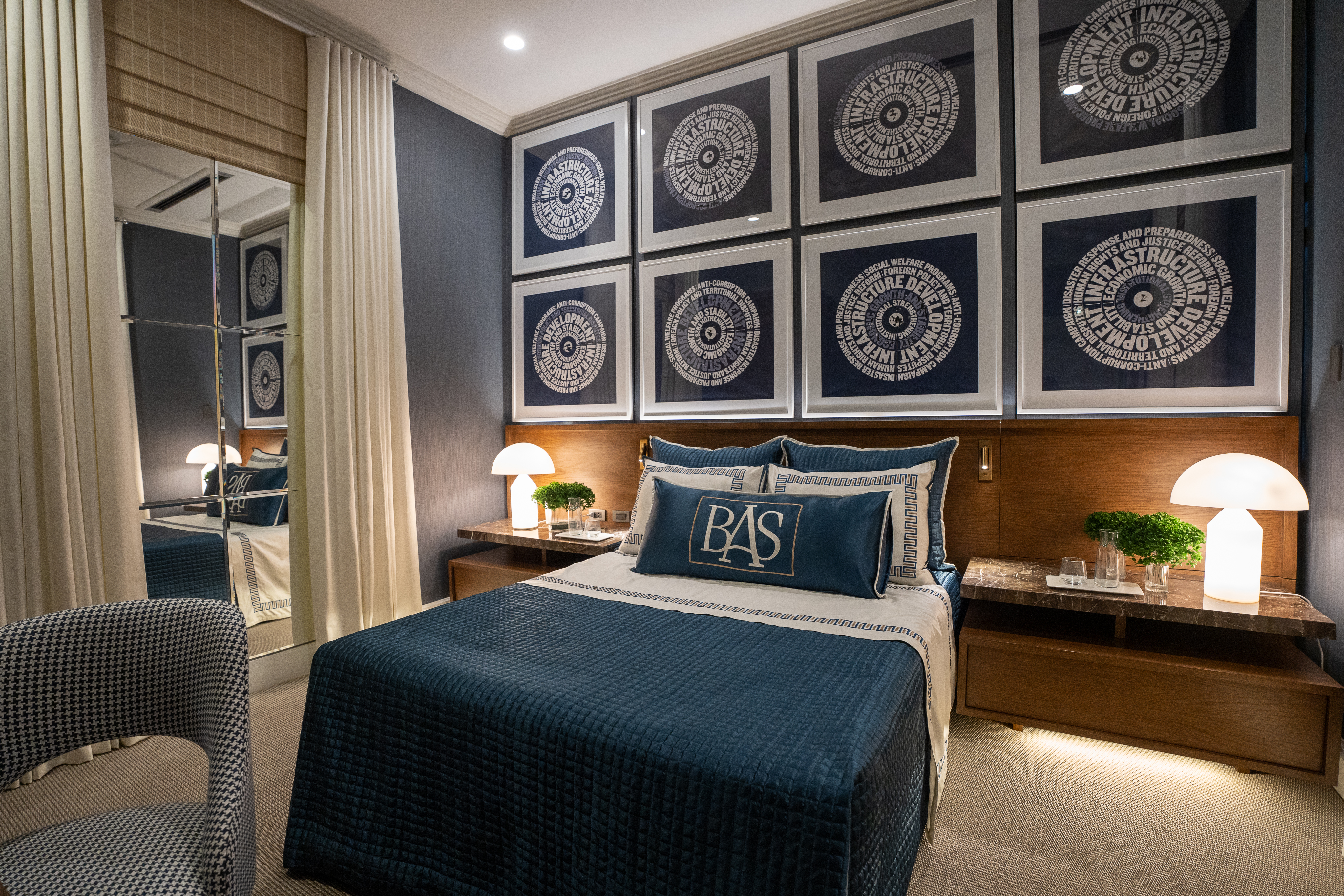
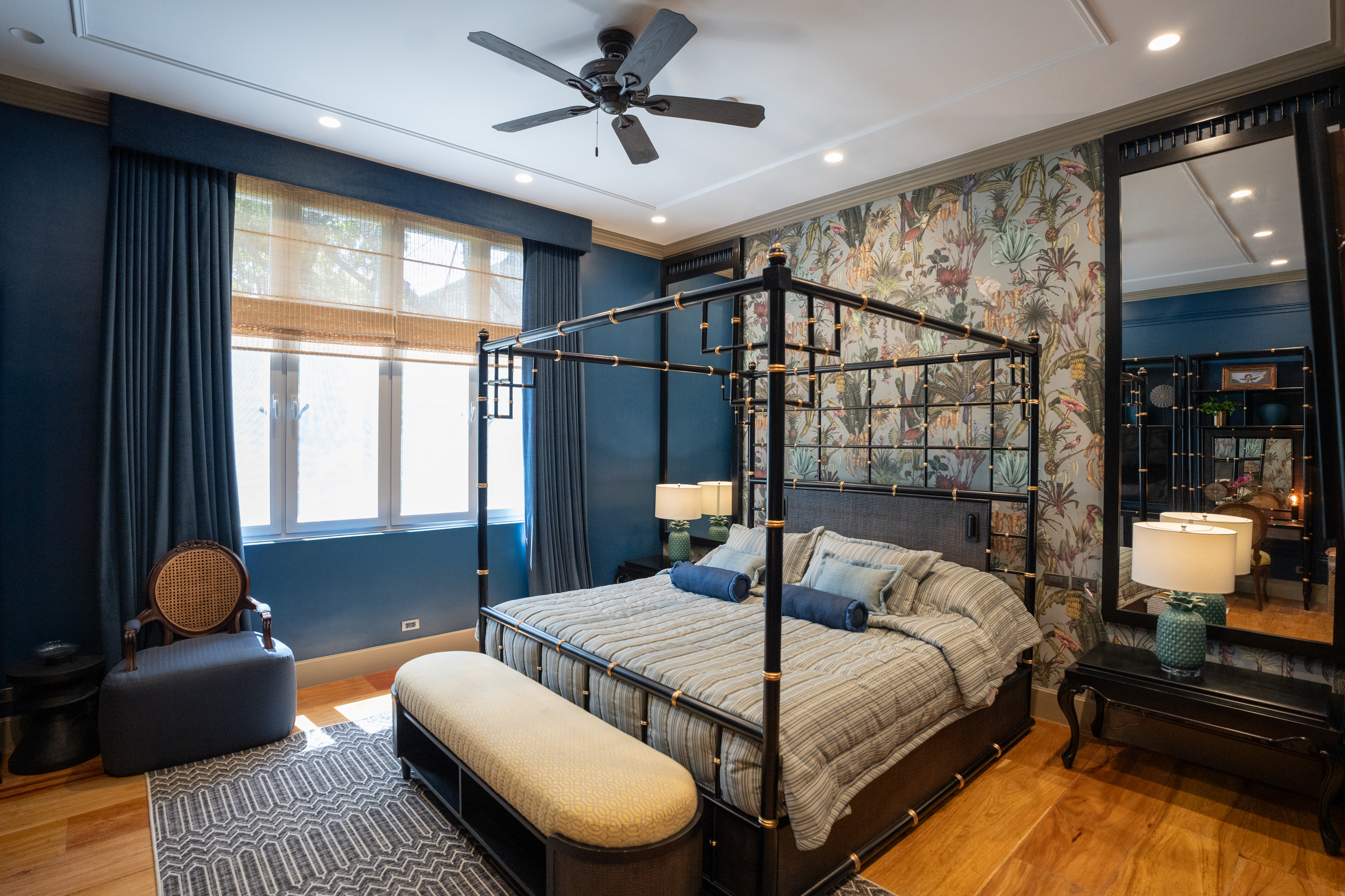
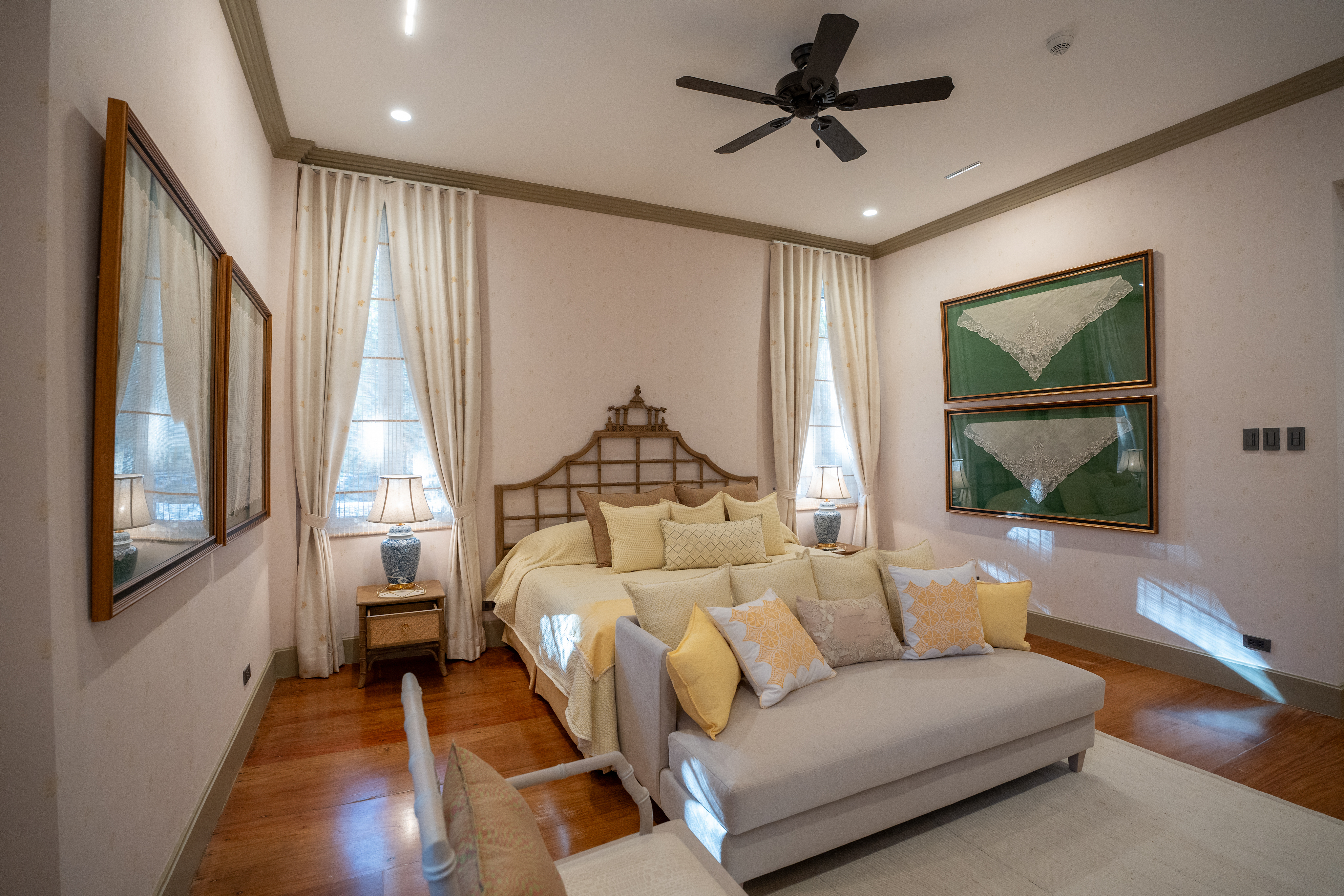
This remodeled house features a sophisticated European design with accents of the tropics. It has two sunrooms and fourteen carefully planned bedrooms named in honor of past presidents, created by the skilled artisans and designers in the country. Three state rooms honoring important individuals in Philippine history – Magellan, MacArthur, and Rizal – are also featured in the home.
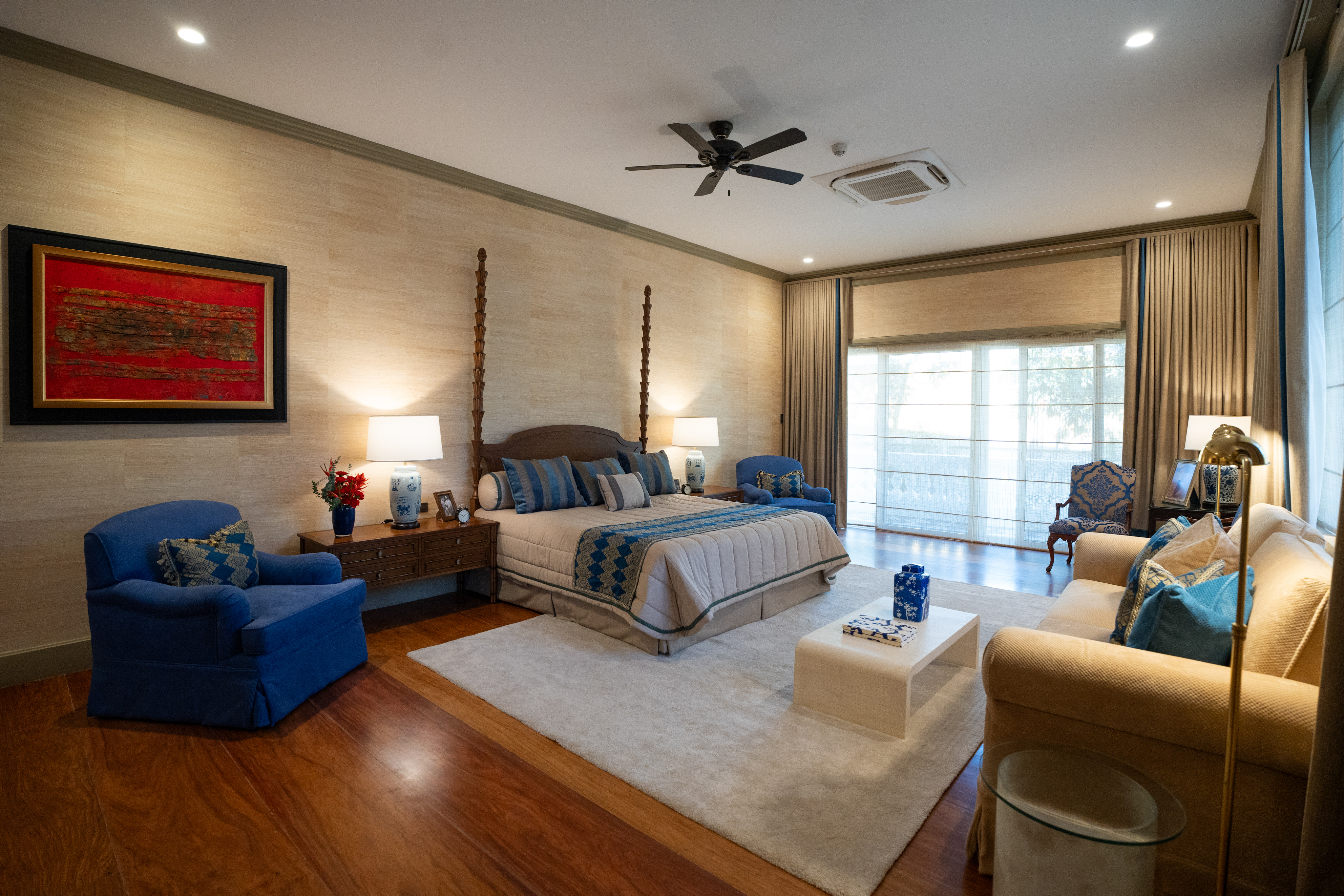
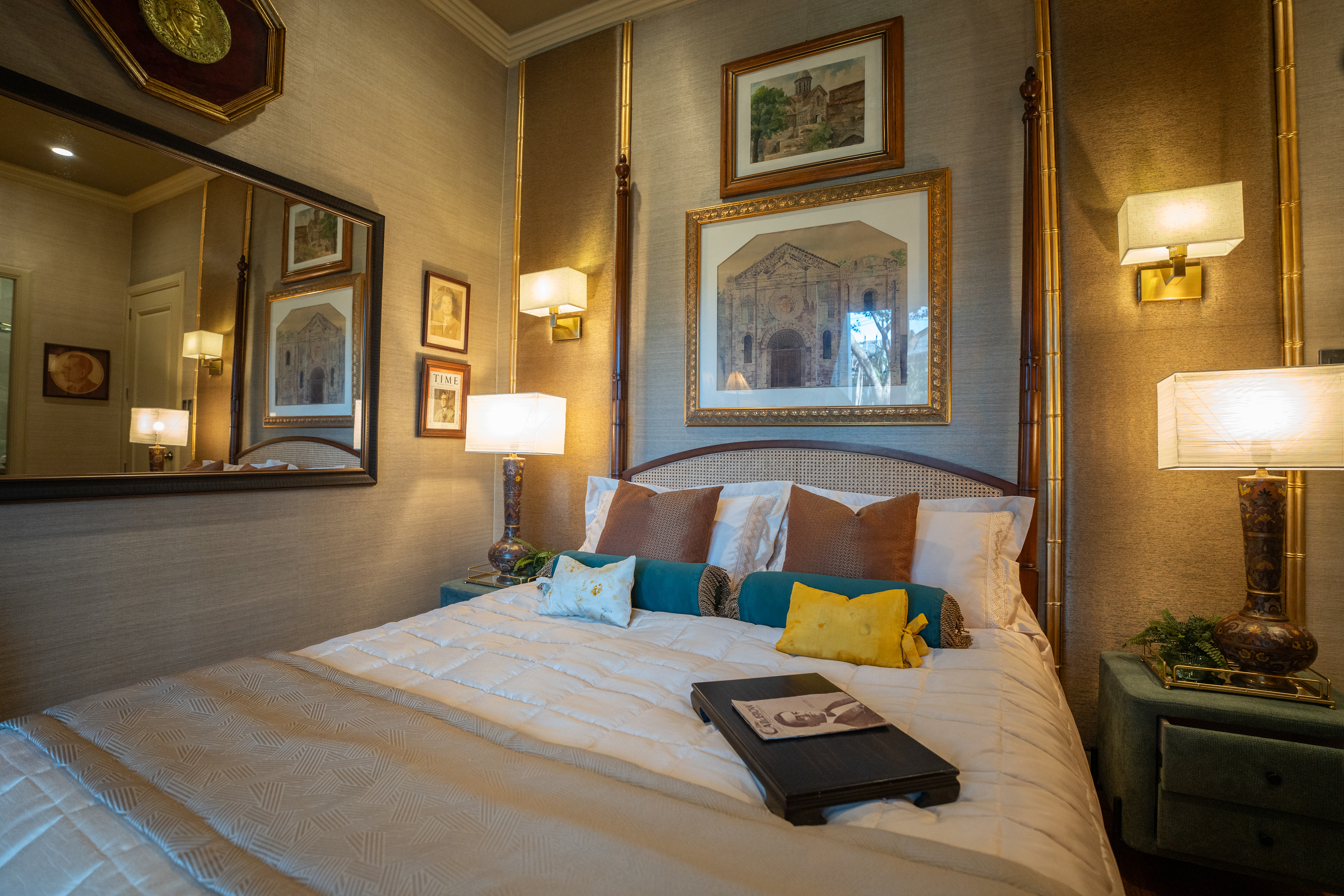
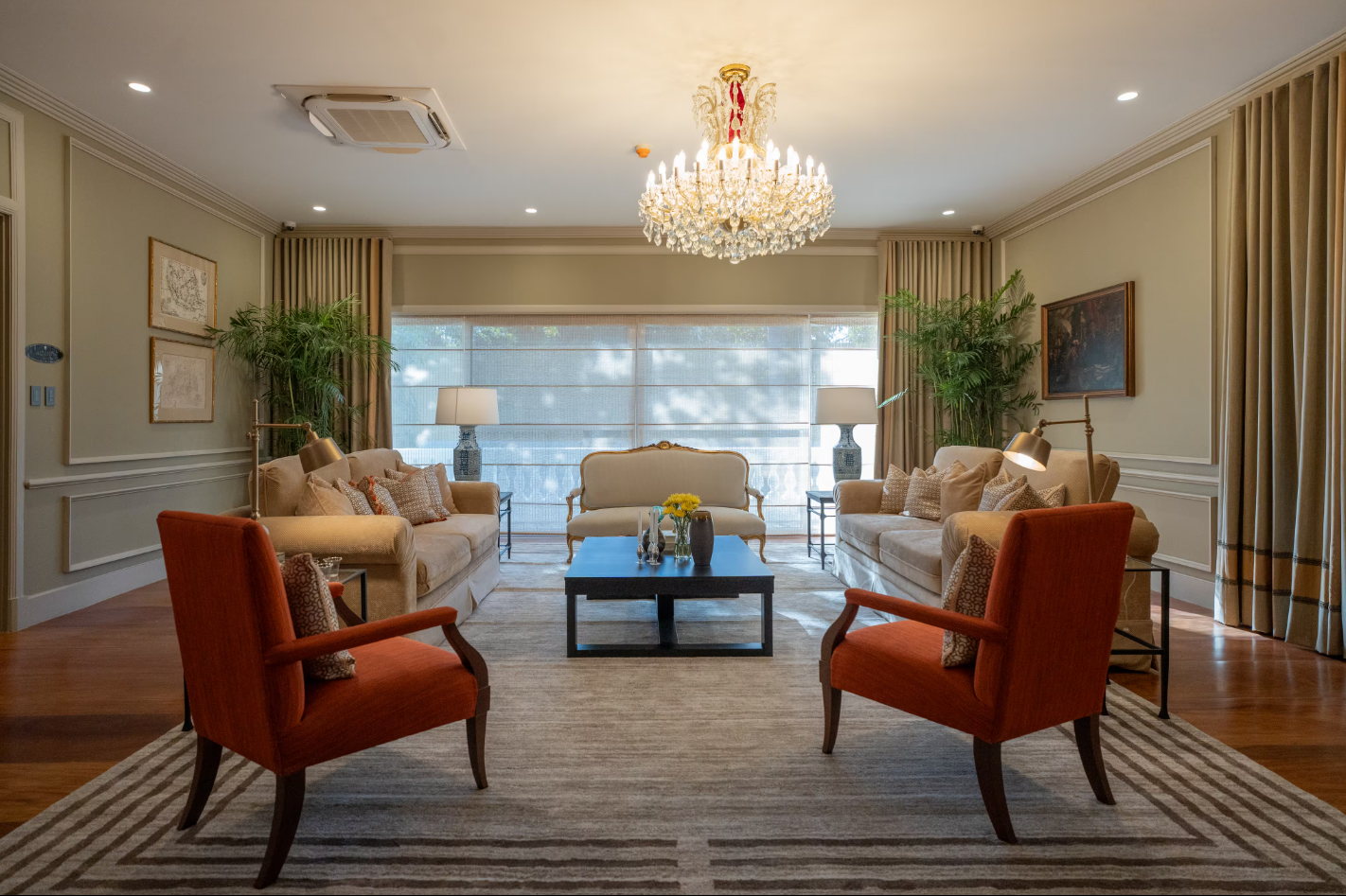
This administration's cooperative endeavor, in addition to reviving the nation's past, provides a platform for local talent and celebrates international diplomacy, bolstering and extending ties between the Philippines and its international allies.