







Continuing 'The Way Forward'


At A Glance
- This season will also feature in-depth discussions on climate change, renewable and non-renewable energy, national security, and technology.
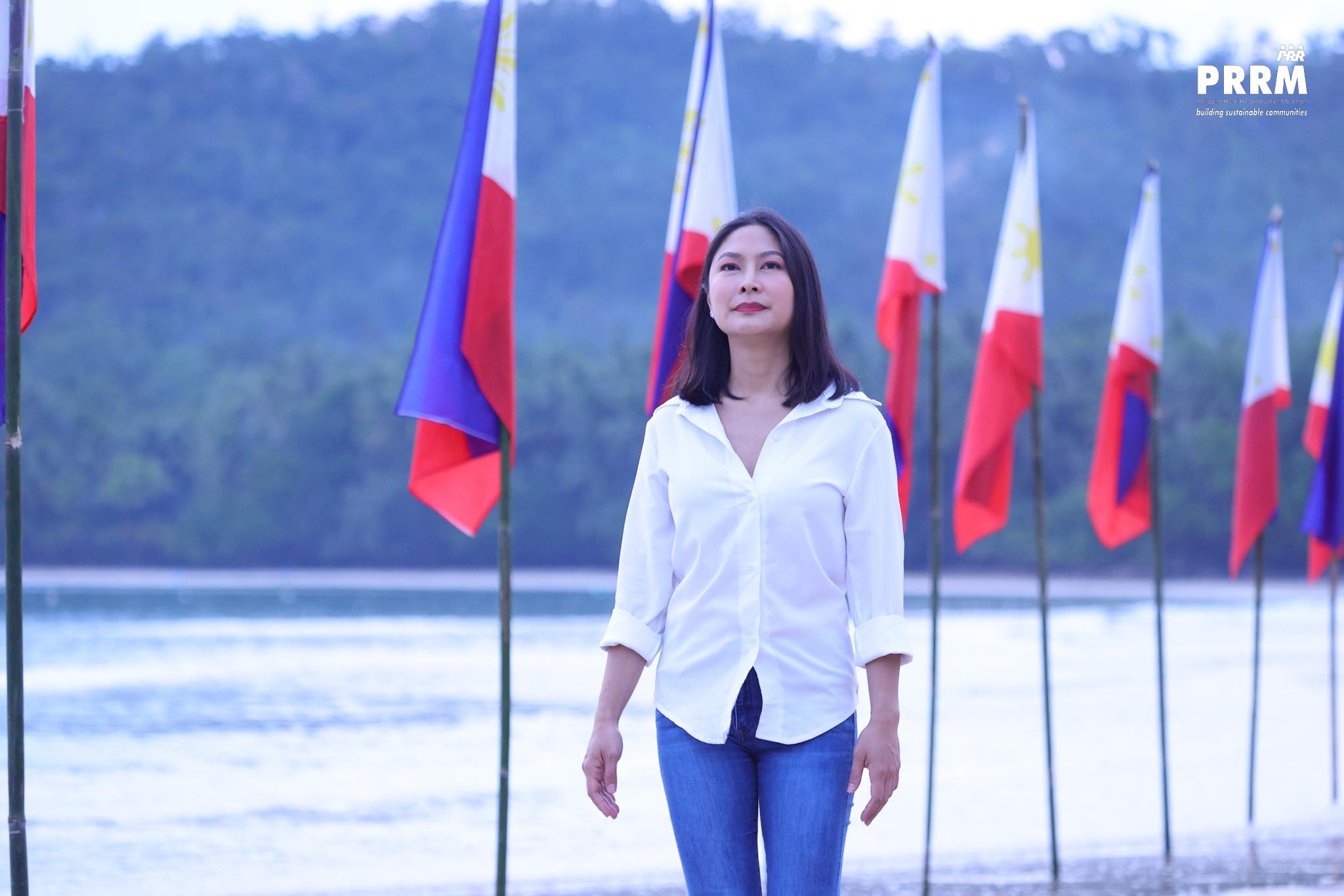
The Way Forward, CNN’s highest-ranking and revolutionary talk show, enters its second season with a new crop of fascinating guests who will liven up your Tuesday nights.
This season started with interviews from former Western Command (WesCom) head, retired MGen. Juancho Sabban, shared his experiences as one of WesCom’s most talked-about commanders because of his encounters with Chinese-led vessels and poachers.
Flag-Officer-in-Command Vice Admiral Toribio Adaci Jr. provided insights into the government’s national security stance at the West Philippine Sea, favoring diplomatic channels. Vice-Mayor Beltsazar Alindogan of Kalayaan, Palawan, shared his experience as a civilian government official who helps his people traverse the intricacies of dealing with foreign intrusions while making a living from the seas.

The retired former WESCOM chief, Lt. Gen. Sabban, also opined that oil and gas exploration should now be resumed in the WPS despite the ongoing Sino-Philippines tension in the area.
Sabban specifically mentioned the Recto Bank (International name: Reed Bank), which is said to be rich in oil and gas deposits. The United States Energy Information Administration claimed Reed Bank could hold up to 5.4 billion barrels of oil and 55.1 trillion cubic feet of natural gas.
The Philippine Navy’s Flag-Officer-in-Command, on the other hand, called for a “whole-of-government approach” as the best strategy in protecting the country’s sovereignty over its territories, especially in the WPS where China has been constantly distressing and water cannoning both Filipino fishermen and the Philippine Coast Guard.

But while recommending the “whole-of-government approach,” the Navy Chief also underscored the importance of pursuing the modernization of the Navy and the entire armed forces. He also supported calls for joint military exercises with countries like the United States and Japan.
Kalayaan municipal vice mayor Billy Alindogan also hoped that President Bongbong Marcos Jr.'s administration would make true his promise to build better infrastructure on Pag-asa Island and the other islets in the Kalayaan Island Group (KIG) to help its residents and the Filipino fisherfolks whose livelihood depends in the area.
Alindogan further said he asked the government for bigger boats to help the fishermen explore the “commercialization” of their fishing industry.
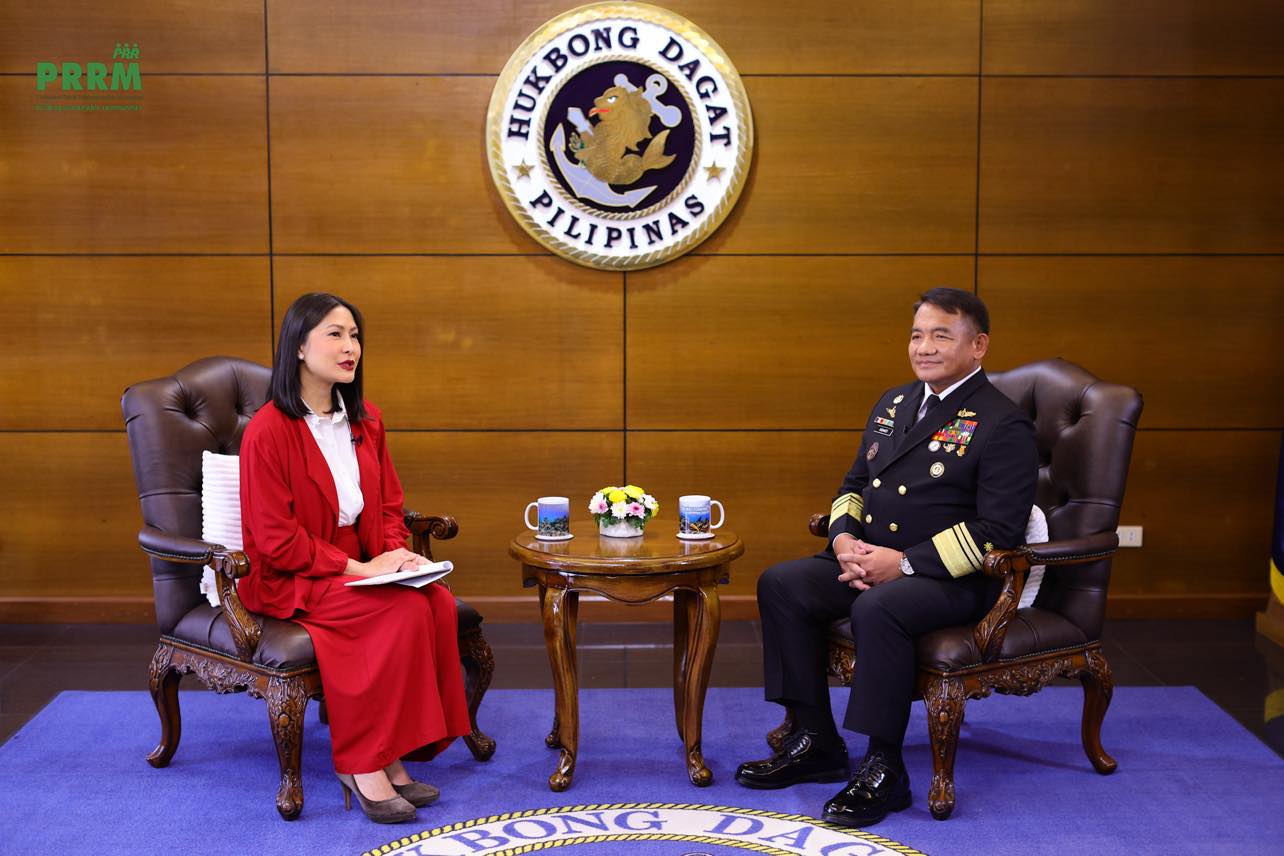
The ever-capable host, Atty. Karen Jimeno will also tackle deeper issues surrounding the blue economy in future episodes with guests such as former NAPOCOR Chairman Guido Delgado, Secretary Robert Borje of the Climate Change Commission, tech wizard Mario Domingo, and Mayor Norman Ong of Rizal, Palawan, among many others.
This season will also feature in-depth discussions on climate change, renewable and non-renewable energy, national security, and technology. The show, produced by the 70-year-old Philippine Rural Reconstruction Movement, is part of the organization’s advocacy in highlighting the country as MANA.
Its president, Mr. Edicio de la Torre, coined the term "Maritime and Archipelagic Nation." Apart from the featured experts, the show also presents snippets of fishermen's lives affected by the unwanted intrusions of foreign entities who use bigger, more technologically advanced boats and equipment against their more conventional fishing vessels.

The Way Forward’s second season can be seen on CNN Philippines every Tuesday at 8 p.m. Replays will be announced, and this season can also be viewed on YouTube after the initial telecast.