







Why the need to regulate social media platforms


PAGBABAGO
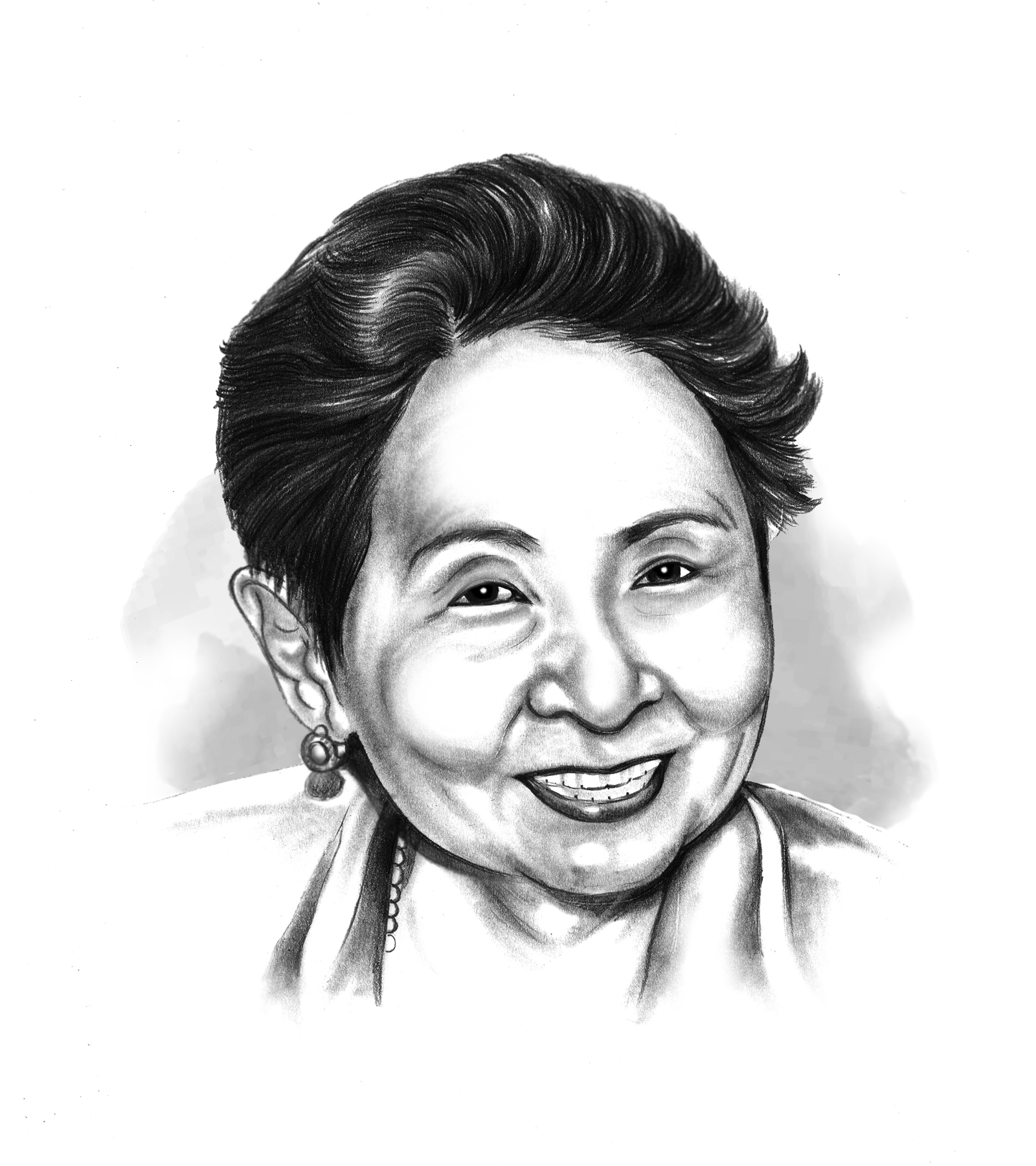
As a professional in media studies, the concept of media freedom and responsibility has been one of my primary areas of interest. But I also believe in regulation that would promote concepts of human rights and justice. And this involves regulation which ensures that people’s rights are protected.
While working with the Philippine Broadcasting System in the mid-60s, I was part of a group that organized the first Citizens’ Council for Mass Media which recommended a guide for broadcast stations and other mass media. Francisco (Koko) Trinidad, who was head of PBS understood the importance of educational broadcasting and thus, PBS supported and partnered with the Department of Education and other institutions that provided alternatives to entertainment programs. My work with UNESCO and various projects advocating rights and access to information convinced me that this freedom had limits and that information or speech that harms rather than protects must be checked. Thus, the adage, “You can’t shout 'fire' in a crowded theater.” I was likewise involved in a group which lobbied for the passage of the Freedom of Information Act (FOI), a bill that was filed three times. We marched with farmers, laborers and other stakeholders to lobby with Congress. But each time, it failed, and up to this time we are one of the 50 or 60 countries of the world that does not have a Freedom of Information Act
Just recently, Audrey Azoulay, UNESCO Director-General announced that a global survey and worldwide consultation with over 10,000 participants from 134 countries revealed that disinformation and hate speech online had intensified. Such trend is worrisome as it is a major threat to stability and social cohesion. Social media has amplified the spread of fake information. To address this concern, UNESCO will organize the first conference of regulators in 2024 and will support member states in translating their action plans into laws and regulations.
The report states that among the principles that should be respected in regulating online information are human rights, independence of regulators, accountability and transparency, training users to think critically, and to take stronger measures during sensitive occasions like elections and crisis.
The survey also showed that 85 percent of the people worry about online disinformation as it had already harmed the country’s political behavior. Hate speech is also seen as widespread with 67 percent of respondents saying that they have seen and heard it online. Vigilance is seen as important during elections with 89 percent saying the government must intensify efforts in addressing this concern. An alternative to state regulation of content is antitrust action designed to increase the number of platforms and reduce the reach of the current internet service.
The Philippines would welcome UNESCO’s initiative in organizing a conference of regulators as it had recognized this problem when it passed Senate Resolution 953 on social media disinformation. Senator Francis Pangilinan, chairman of the Senate Committee on Constitutional Amendments which drafted the resolution recommended that media platforms Facebook, You Tube, and Tiktok be held accountable for the spread of disinformation the resolution further noted that legislation needs to be broad enough to capture techniques that disinformation producers use to elude accountability. It recommended the refiling of the SIM Card registration bill as it might help identify disinformation peddlers.
According to the Foundation for Media Alternatives, over 80 percent of the internet population use social media. The Philippines has the highest participation in social networking among Internet users at 83 percent compared with the global average of 58 percent. Women are the most active users of social platforms like Facebook, Twitter and Pinterest.
I believe UNESCO’s initiative would be welcomed not only by the victims of disinformation but by everyone concerned about the survival of society. ([email protected])