







Work with Pinoy youth for greener future — Marcos


At A Glance
- Marcos hopes that the people's love for the youth and the environment would guide concerted actions toward a healthy environment.
- Marcos says the youth serve as both the trailblazer of the modern world and hope for the future.
- This year's International Youth Day theme is "Green Skills for Youth: Towards a Sustainable World."
President Ferdinand "Bongbong" Marcos Jr. has called on Filipinos to work with the country's youth to secure a greener future for the Philippines, as he hailed the youth as the "true hope" of the country.
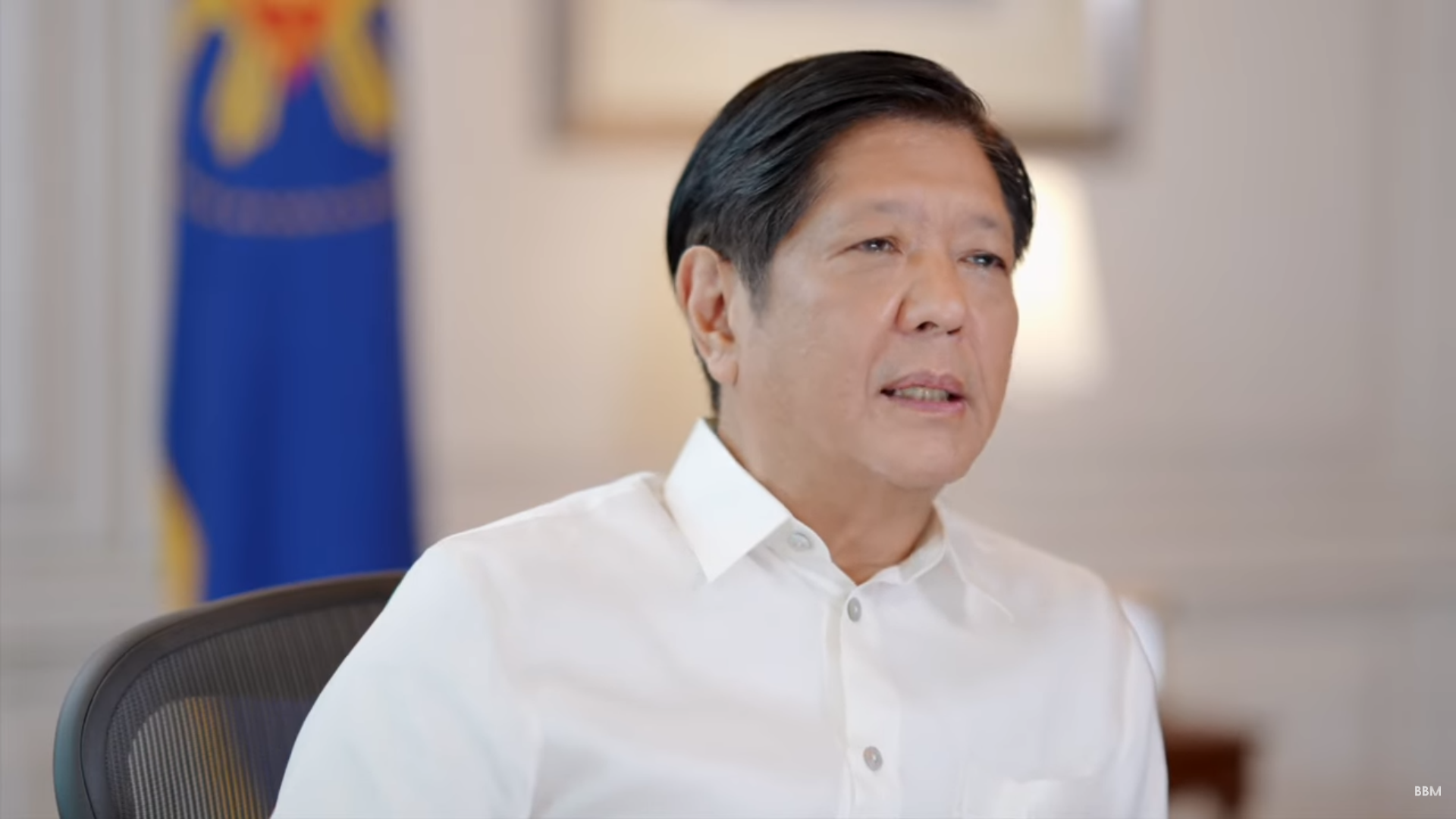
Marcos said this in celebration of International Youth Day 2023 on Saturday, Aug. 12.
In his message, the President hoped that the people's love for the youth and the environment would guide concerted actions toward a healthy environment.
"We recognize the utmost importance of our young people's roles in developing, prioritizing, and adopting ecological initiatives that must be aggressively pushed today to fully realize the healthier environment we all deserve," he said.
"May our love for the youth and Mother Earth be the guidepost as we commit to embark on a green transition. Together, let us embrace this social contract and move towards a future that efficiently, inclusively, and sustainably works for all," he added.
President Marcos said he draws inspiration from the youth's encouraging visions. He added that the youth serve as both the trailblazer of the modern world and hope for the future.
Marcos also said that young Filipinos exude eagerness to evoke transformational movements that positively impact the current and coming generations.
This year's International Youth Day theme is "Green Skills for Youth: Towards a Sustainable World."
28th anniversary of the National Youth Commission (NYC)
Meanwhile, in a video message, the Chief Executive enumerated the laws he co-authored that helped uplift the country's youth, including Republic Act (RA) No. 8044, which created the National Youth Commission in 1995, and RA 10742 or the SK Reform Law of 2015.
"With these two landmark laws for the Filipino youth, the National Youth Commission supervised the return of SK (Sangguniang Kabataan) leaders of our country in 2018," Marcos said.
"We are all partners in guiding, inspiring, and leading the Filipino youth towards strengthening this Republic— to mobilize them during disasters and emergencies, countering rebel youth recruitment to defend all our people and the Republic," he added.
According to Marcos, the youth is the true hope of the country's future.
"Mabuhay ang National Youth Commission, ang SK, at lahat ng kabataan — ang mga tunay na pag-asa ng ating bayan (Long live NYC, the SK, and all of our youth — the true hope of our country)," he said.
"Mga makabagong lider na kabataan para sa ating makabagong Pilipinas (They are the young and modern leaders for the new Philippines)," he added.