







Solons bat for one-month extension to NAIA rehab bidding


At A Glance
- Two House of Representatives members urged on Sunday, Dec. 17, the Department of Transportation (DoTr) to consider the Asian Development Bank's (ADB) advice to extend the bidding for the Ninoy Aquino International Airport (NAIA) rehabilitation project for one month.
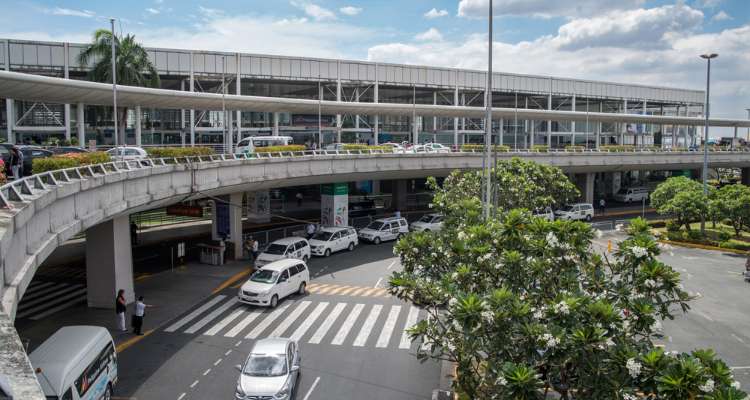
Ninoy Aquino International Airport (NAIA)
Two House of Representatives members urged on Sunday, Dec. 17, the Department of Transportation (DoTr) to consider the Asian Development Bank's (ADB) advice to extend the bidding for the Ninoy Aquino International Airport (NAIA) rehabilitation project for one month.
Both Manila 2nd district Rep. Rolando Valeriano and OFW Party-list Rep. Marissa Magsino argued that the ADB’s position should not be ignored to “ensure due diligence and avoid monopoly”.
Valeriano, chairman of the House Committee on Metro Manila Development, vouched for the bank’s expertise on the matter. He said the DOTr should follow suit with the advice.
“Mas mainam ito at mas makakapili ang DoTR ng pinakakwalipikado gumawa ng proyekto dahil mas marami pa ang makakasali sa bid at mas makakapaghanda sila. Malaking halaga ang nakataya, due diligence is a must,” he said.
(This is better since the DoTR can choose the most qualified to do the project because more people can participate in the bid and they can prepare much better. A lot of money is at stake, due diligence is a must.)
In a memo, the ADB explained that going beyond the Dec. 27 deadline would attract more bids, which would result in greater competition and a better financial outcome for the government.
“It would also send a strong statement that the government is committed to ensuring a level playing field for all investors, now that recent reforms allow local and foreign investors to compete for NAIA on the same terms, without foreign ownership restrictions,” the memo read.
The ADB says that at least four bidders for the project are seeking an extension to Jan. 29, 2024. If the Dec. 27 deadline remains, the bank said only two bidders may submit the required bid documents.
Magsino, for her part, stressed that the one-month delay in the bidding for the project would turn out to be more advantageous to the government.
“If extending the deadline for proposals on these plans will allow the government to choose from more reputable companies and secure the most cost-effective agreement, then the one-month delay eventually will be more beneficial,” the solon said.
“The only thing we want to ensure in whatever decision the government will make is that the people will not be shortchanged; the option we will take must vastly improve the services of NAIA, solve capacity issues, upgrade the technology infrastructure, and ensure steady and reliable operation for the benefit of air passengers, especially our OFWs,” she added.
There are already eight firms that have bought bid documents for the project, namely Asian Airport Consortium, Turkish firm Cengiz Insaat Sanayi ve Ticaret A.S., South Korea’s Incheon International Airport Corp., India’s GMR Group, Turkish conglomerate Limak Holding A.S., Manila International Airport Consortium, San Miguel Corp., and Spark 888 Management Inc.
The winning bidder will have 15 years to rehabilitate the airport’s passenger terminals and airside facilities, develop commercial assets and utility systems, and provide surface access facilities, among other responsibilities. The concession agreement also allows for a possible 10-year extension.
The project aims to address NAIA’s long-standing capacity issues, which is set to increase the airport’s annual capacity from the current 35 million passengers to at least 62 million. --Dexter Barro II