






 Philippines
National
PUV modernization: LTFRB urges Filipino manufacturer to get accreditation for sale of e-jeep units
Philippines
National
PUV modernization: LTFRB urges Filipino manufacturer to get accreditation for sale of e-jeep units
PUV modernization: LTFRB urges Filipino manufacturer to get accreditation for sale of e-jeep units
By Jel Santos


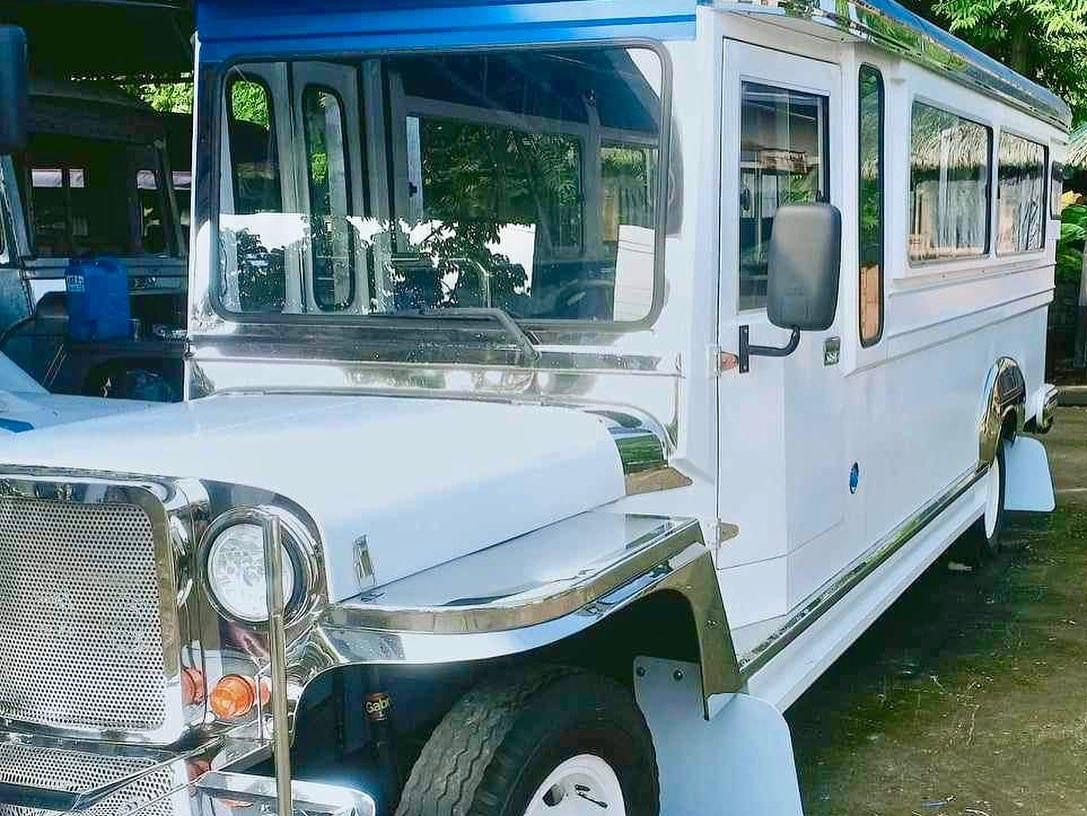
A local manufacturer, which recently launched a cheaper e-jeepney model that still sports the iconic traditional jeepney look, was advised by the Land Transportation Franchising and Regulatory Board (LTFRB) to secure accreditation in order to sell its model in the country amid the ongoing implementation of the Public Utility Vehicle Modernization Program (PUVMP).
LTFRB Chairperson Teofilo Guadiz III revealed he met with Elmer Francisco, the owner of Francisco Motors, who proposed the electric jeep that costs P985,000 per unit, on Dec. 21 last year.
At the time, Guadiz said he personally urged Francisco to get accredited with the Philippine National Standards (PNS) for the sale of his product.
"May mga pinakita po siya sa amin na mga modelo and ang payo namin sa kanya is to have himself accredited with the Philippine National Standards para po makasama siya doon sa mga pwede pong sumali na bilihan ng mga jeepney ng mga kooperatiba (He had shown us models of the e-jeep and our advice to him is to have himself accredited with the Philippine National Standards so that he will be included in the manufacturers of jeepney where cooperatives can buy)," Guadiz shared when sought for comment on the proposed e-jeepney which has been gaining attention online.
The proposed e-jeepney was entirely made in the Philippines by Filipino workers. It is cheaper compared to the modern jeepneys valued at millions per unit.
According to Guadiz, the initative by Francisco to build a cheaper version of modern jeepney is also aligned with one of the PUV modernization goals to combat the effects of climate change.