







Paris 1924 'Chariots of Fire' stadium ready for Games


At A Glance
- The stadium that was the main site for the 1924 Paris Olympics was on Monday, Dec. 18, declared ready as a Games venue to welcome field hockey events 100 years later for the Summer Olympic Games in the French capital.
PARIS (AFP) -- The stadium that was the main site for the 1924 Paris Olympics was on Monday, Dec. 18, declared ready as a Games venue to welcome field hockey events 100 years later for the Summer Olympic Games in the French capital.
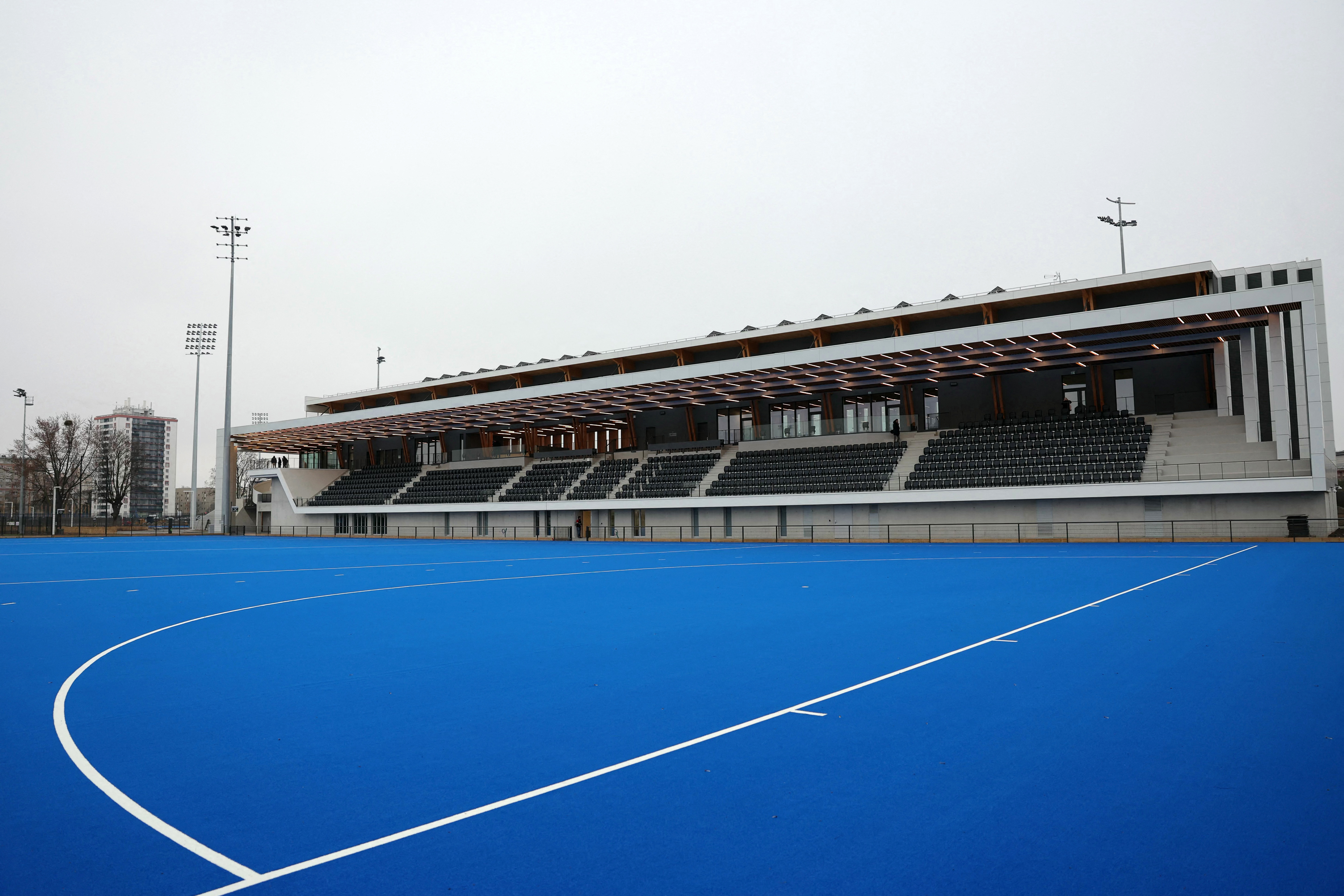
The Yves-du-Manoir stadium in the Paris suburb of Colombes, northwest of the city center, is the first sporting site to be formally handed over by developers to local authorities ahead of the Games.
The stadium was specially renovated for the 1924 Paris Games where it hosted the opening ceremony, athletics and other sports ranging from equestrian to gymnastics.
During the Games it was the scene of the epic sprint races involving British athletes Harold Abrahams and Eric Liddell, famously portrayed in the 1981 film "Chariots of Fire".
According to the organizers, it will be the only 2024 Olympic venue to be hosting the Games for a second time.
It also hosted the 1938 World Cup football final where Italy beat Hungary and had its capacity expanded to 60,000 after the end of World War II.
But the opening of the Parc des Princes stadium in 1972 in the west of Paris signaled its decline and three of the four stands were demolished at the end of the last century.
But its selection to host the field hockey events in 2024 have given the stadium a new lease of life.
Two years of work enabled the historic stand, with a capacity of 6,000 seats, to be brought up to standard and a new stand of 1,000 seats to be built as well as training pitches for hockey and other sports.
The total cost of the work amounted to 101 million euros, including 87.4 million financed by the local authorities, with the remaining 13.6 million coming from Solideo, the public establishment responsible for delivering the Olympic works.
Lionel Christolomme, the chairman of the board of construction group Leon Grosse, which carried out the renovations, symbolically handed over the key of the new complex to its owner, the council of France's Hauts-de-Seine department, represented by its president Georges Siffredi.
"You are kicking off a series of handovers of keys," said Marc Guillaume, the prefect, the top state-appointed official for the Paris region.
"All the other facilities will be handed over in due time," he said, adding that there would be "many other ceremonies of this nature in the coming weeks".
The Paris 2024 hockey tournaments for women and men will take place between July 27 and August 9.