






 Entertainment
Music and Concerts
K-pop boy band TAN starts mall show in PH: 'It feels like home'
Entertainment
Music and Concerts
K-pop boy band TAN starts mall show in PH: 'It feels like home'
K-pop boy band TAN starts mall show in PH: 'It feels like home'


K-pop idol group TAN (To All Nations) kicked off their mall show in the Philippines on Sept. 8.
The members of TAN–Changsun, Jiseong, Sunghyuk, Taehoon, Hyunyeop, Jooan, and Jaejun–are in the Philippines for the second time for a promo tour.
They held their mall show at the Market! Market! Activity Center in Bonifacio Global City, Taguig on Sept. 8.
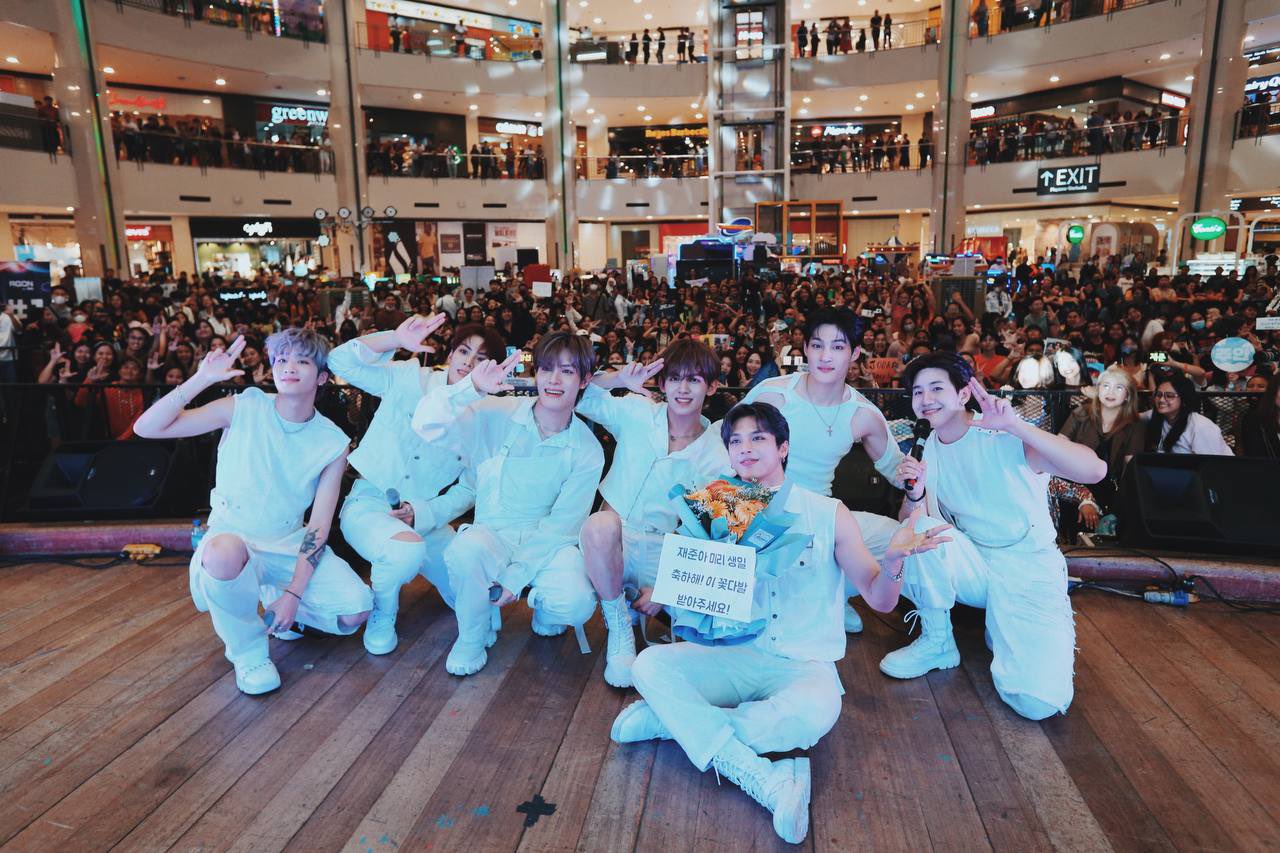
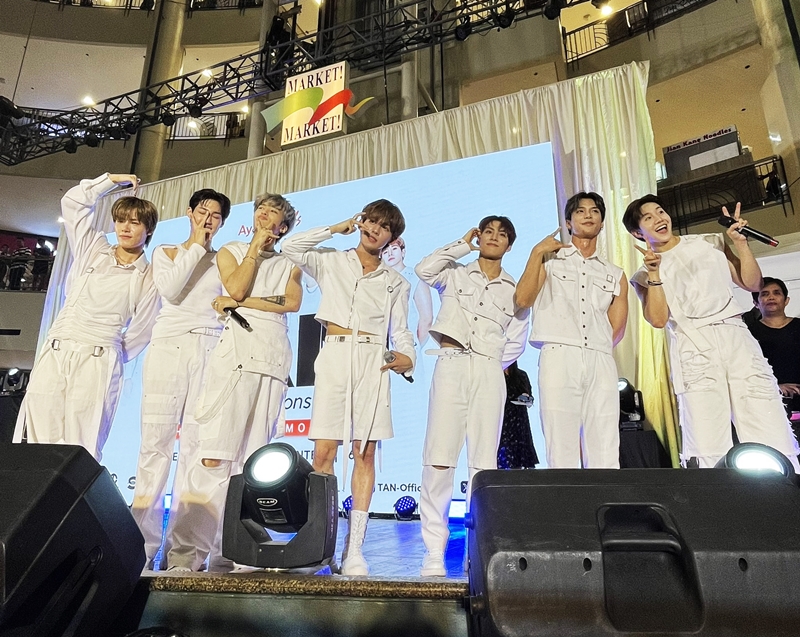
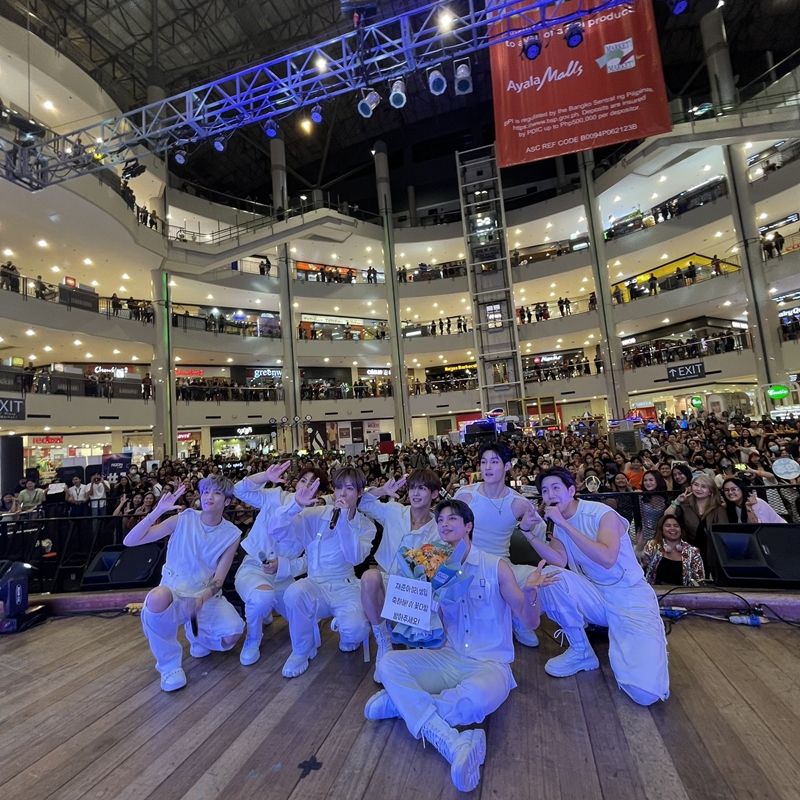
K-pop boy band TAN at Market! Market in Taguig (Universal Records Philippines, Market! Market!)
This will be followed by a show on Sept. 9 at the TriNoma Activity Center and another mall tour at SM City CDO Downtown in Cagayan de Oro on Sept. 10.
TAN arrived in the country last week and appeared on TV shows to promote their music.
During a press conference, TAN discussed their music and career, and said they are happy to be back in the Philippines.
“Being one of the important countries when it comes to Hallyu (Korean Wave), we want to leave our mark here in the Philippines and go to other countries as well,” said Taehoon.
Jooan said, “Being back here in the Philippines feels like home and we really wanted to come earlier.”
“And now that we’re back with a new album and we will be able to introduce it to our Filipino fans, it’s such an honor and a joy,” he added.
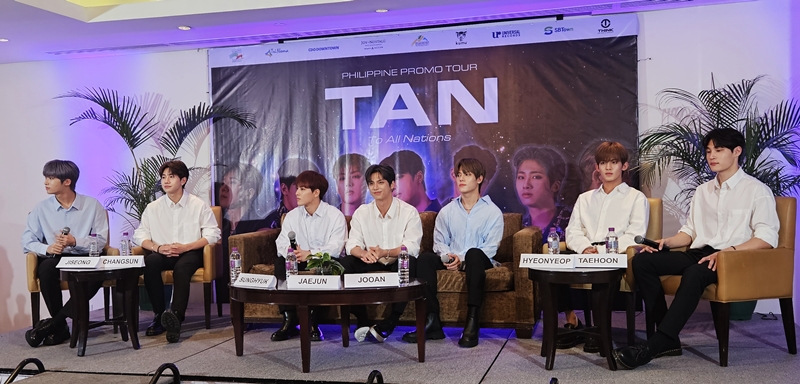
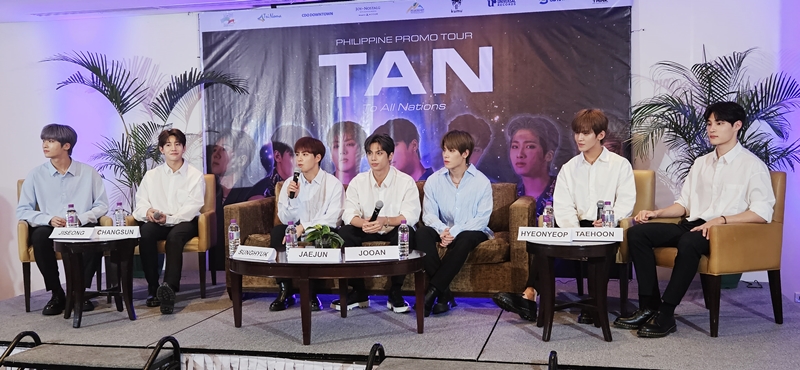
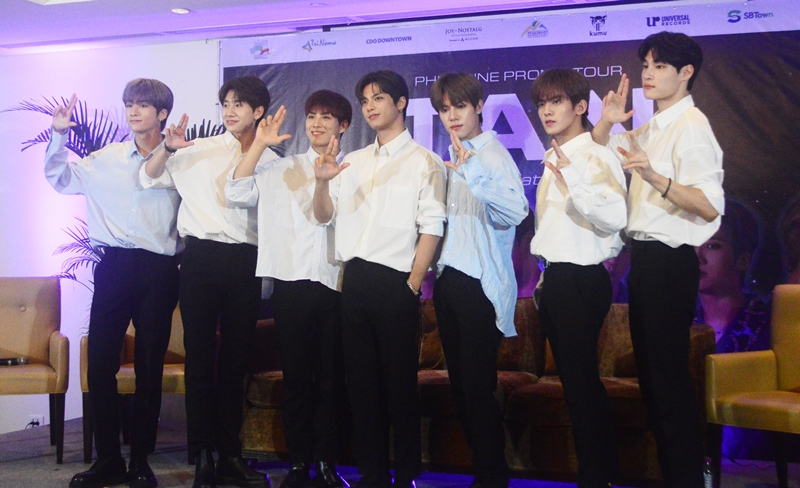
K-pop boy band TAN at their press conference for the promo tour in the Philipines (Jonathan Hicap)
Sunghyuk said, “With this new album, we have the confidence in introducing it to our Filipino fans. And every time we visit the Philippines, there are so many people who welcome us, I’m really grateful and thankful for that.”
Jaejun said, “I want to do a collaboration with a Filipino artist in any way."
TAN made their debut in the music scene in March last year and released their third mini-album “TAN Made” last Aug. 11.
“We personally composed and wrote the lyrics for this album. The message of the album is to have self-confidence and love ourselves as well. We gave our best efforts for this” said Jooan.
There are seven songs in the album and according to leader Changsun, “There are songs from the unit group so you can enjoy various songs from the albums. Among the seven songs, maybe you will like at least one song.”
When asked what makes TAN different from other idol groups, Jaejun said, “I think that there are many idols who participate in writing the lyrics of their songs. But I think there are not many idol groups who actually produce their songs. I think TAN is one of those groups that can produce their own songs or albums.”
TAN’s members were chosen through the survival audition program “Wild Idol” and five of them were previous members of K-pop groups before joining TAN.
“It’s not just a simple survival audition program but it also tested our mental and physical abilities,” said Changsun.
He added that the seven members who survived the show and debuted in TAN “have a very strong mindset and physical abilities as well.”
The mall tour is presented by Universal Records Philippines, SBTown and Think Entertainment, and powered by Kumu.
The official venue partners are Ayala Malls Trinoma, Ayala Malls Market! Market! and SM CDO.