






 Entertainment
Celebrities
Sparkle to re-introduce the real meaning of love this February with its new set of kilig series stars
Entertainment
Celebrities
Sparkle to re-introduce the real meaning of love this February with its new set of kilig series stars
Sparkle to re-introduce the real meaning of love this February with its new set of kilig series stars


At A Glance
- What sets them apart from the others though is that this new set of pairings isn't all just about inducing kilig.

Sparkle GMA Artist Center joins in on the kilig festivities of love month as it launches two rising pairings that’ll surely make hearts skip a beat. What sets them apart from the others though is that this new set of pairings isn’t all just about inducing kilig.
The love teams of Ashley Sarmiento and Marco Masa as well as Princess Aliyah and Bryce Eusebio will reshape the meaning of love and allow you to see it from a different angle. Both in their youths, AshCo and PrYce are here to prove that young love can be wholesome, pure, and gentle.
With this being Sparkle’s first-ever launch for 2024, the leading talent management arm of GMA made sure to keep all the excitement up and running with several tricks up their sleeves.
To officially launch these new pairings, Sparkle organized a media conference for their friends from the mass media so they could interact with these love teams, get to know them better, and witness what the fuss is all about.
Apart from the media conference, Sparkle is also releasing a stellar billboard along EDSA to spread the word further and let the world know that there are new kilig serye stars in town. The billboard is set to be up this Feb. 11.
And that’s just the tip of the iceberg. At the core of this launch is Sparkle’s newest and first-ever TikTok Kilig Series which will be released from Feb. 8 to 29 on their official TikTok account.
Sparkle’s TikTok Kilig Series is a series of short, funny, and kilig skits that stars our newest kilig serye stars AshCo and PrYce as well as one of Sparkle’s staple love teams, AlFia a.k.a. Team Jolly which comprises stars Allen Ansay and Sofia Pablo. It’s also the talent management’s newest Valentine’s offering for its avid fans and supporters.
Witness Ashley Sarmiento and Marco Masa’s nakakakilig na connection in “Secret Notes” which will run from Feb. 8 to 14.
Fans and fellow gamers can also look forward to Princess Aliyah and Bryce Eusebio’s budding friendship in “Beyond the Game” which will run from Feb. 16 to 22.
Last, but not least, one of Sparkle’s strongest pairings, Sofia Pablo and Allen Ansay will also star in Sparkle’s “Mystery Girl” which will run from Feb. 24 to 29.
There’s a lot in store for these rising teen stars and you better watch out for it. In the meantime, get to know our latest pairings.
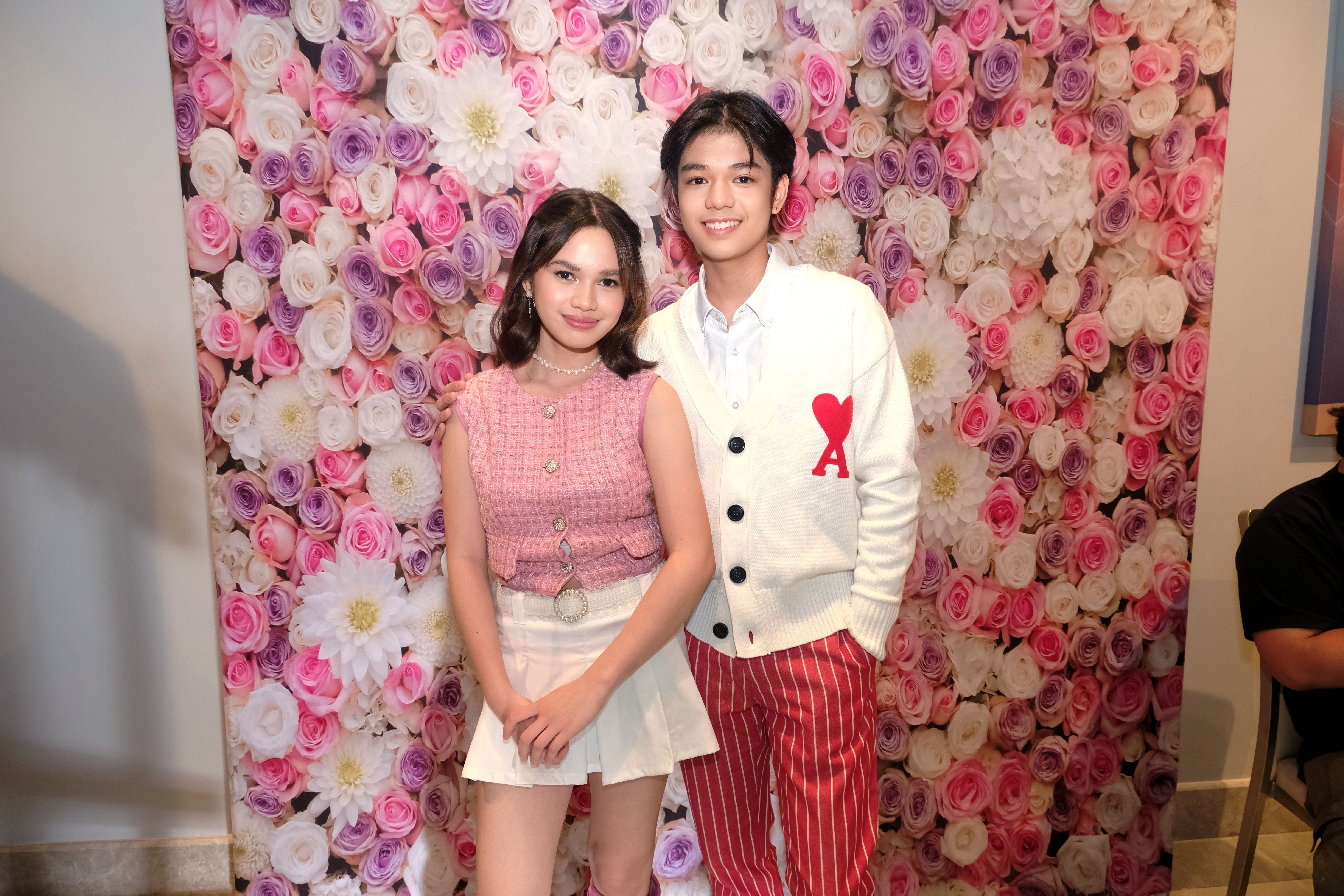
Ashley Sarmiento and Marco Masa
Lovingly referred to as “AshCo” by their fans, Ashley Sarmiento and Marco Masa are this generation’s ultimate love team. Initially launched as part of Sparkle Teens, Ashley and Marco’s natural chemistry brought them closer together and birthed a pairing of their own.
Both Ashley and Marco started their careers as child stars. Now, Ashley is dubbed as a leading lady in the making and a charismatic actress having starred in Kapuso shows such as “Nakarehas na Puso,” “Tadhana: Ligaya,” “Happy Together,” “Magpakailanman: The Power of Love,” and “Luv Is: Love At First Read.” Now, she’s cementing her stance as an artist with range as she stars in the hit GMA series “Black Rider.”
Marco, on the other hand, has been eyed as a drama actor in the making having starred in Kapuso shows such as “Magpakailanman: A Christmas Miracle: The Madrid Family Story,” “Start-Up PH,” “Tadhana: Hanggang Kailan,” “Luv Is: Love At First Read,” and “Daig Kayo ng Lola Ko: The Chinese Lion.” Together with Ashley, Marco is securing his mark in the industry as he stars in “Black Rider.”
Ashley and Marco’s irresistible chemistry has brought about a huge following on their respective social media accounts. With their TikTok videos and Instagram posts being a hit with the Gen Z audience, it is safe to say that these two are about to become the “IT” couple of the season.
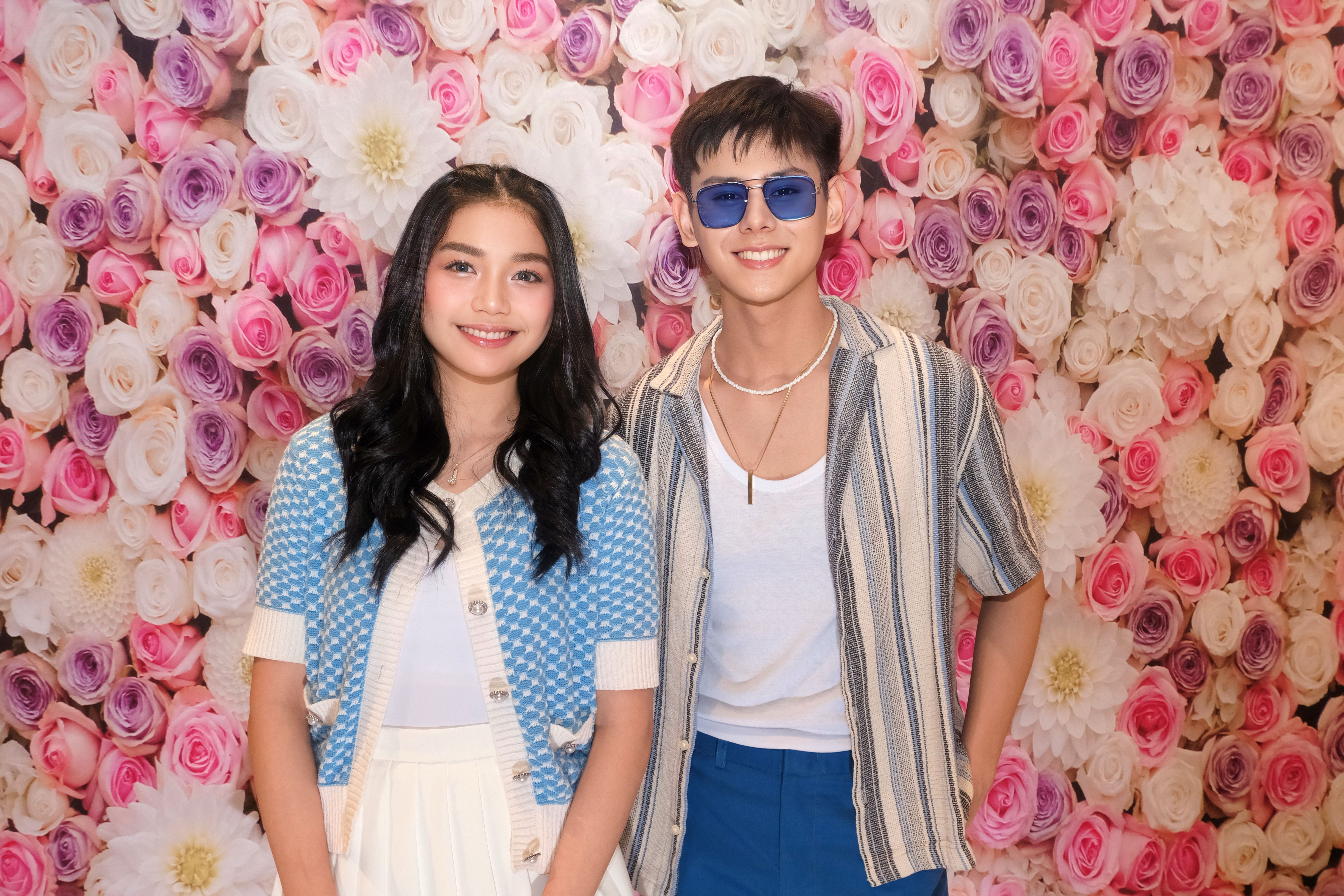
Princess Aliyah and Bryce Eusebio
Two up-and-coming stars are joining forces to give you the power couple you never knew you needed. Introducing the pairing of Sparkle stars Princess Aliyah and Bryce Eusebio. Like AshCo, these two were initially launched as part of the Sparkle Teens. But as they grow out of their comfortable shell, Princess and Bryce are trying their hand at being a love team.
With the voice of an angel, Princess is hard to resist. Her vocals know no bounds being cast in the prestigious London West End production of "The Sound of Music." But apart from singing, she’s also making a name for herself in the realm of acting. She has starred in various Kapuso shows such as “Sherlock Jr.,” “Daig Kayo Ng Lola Ko: Ang Kuwento sa Likod ng Bahay Kubo,” “Onanay,” “My Special Tatay,” “Start-Up PH,” “Magpakailanman: The Mother Who Left: The Fralei Gabor Story,” and “Royal Blood.” She even landed a role in the 2020 Metro Manila Film Festival entry titled "Magikland."
Bryce, on the other hand, effortlessly captivates everyone with his charm and kind smile. But it’s not just his pretty face and attractive height that keep the attention on him, it’s also his knack for acting. He has starred in hit Kapuso shows such as “Destined to be Yours,” “My Special Tatay,” “I Left My Heart in Sorsogon,” “Raising Mamay,” Nakarehas na Puso,” “Happy ToGetHer: Heart,” and “The Missing Husband.” Alongside veteran actress Iza Calzado, Bryce also starred in the recently released horror film “Shake Rattle and Roll Extreme.”
With these two being successful rising stars in their own right, their nakakakilig pairing could not have made more sense.