







Eight permaculture practices for sustainable farming
By James Tababa


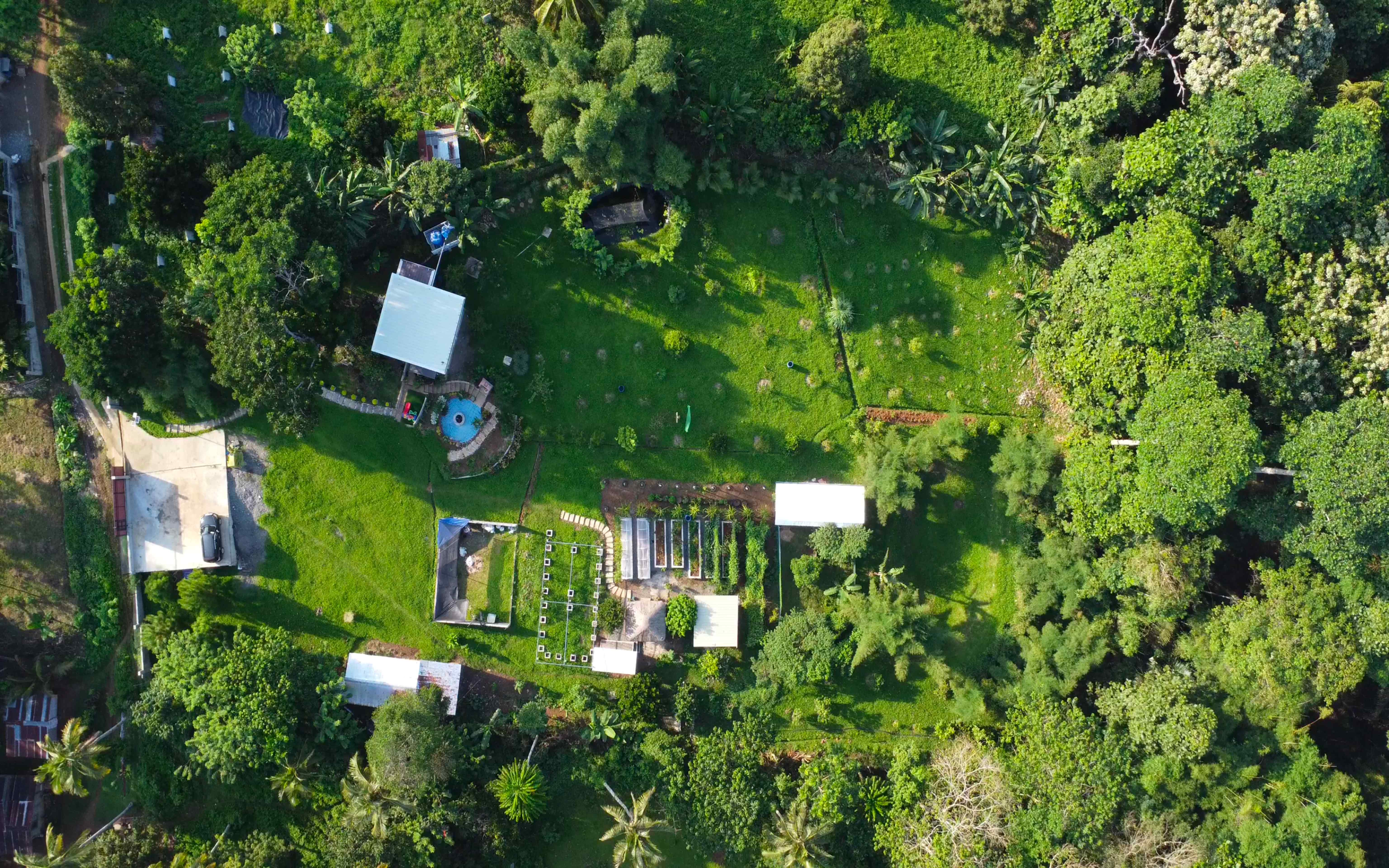
In the past three years, Reginald and Rhoda Cua from Davao City have diligently honed their farming skills, cultivating a thriving ecosystem they've named the Eden FAITH Garden. This garden is abundant with a diverse range of fruits, vegetables, herbs, poultry, and fish.
Reginald and Rhoda are dedicated permaculture practitioners. Permaculture, short for "permanent agriculture" or "permanent culture," is a sustainable design system that aims to create harmonious and regenerative ecosystems that provide for human needs while also benefiting the environment. It emphasizes principles such as working with nature, maximizing efficiency, and minimizing waste.
Here are the permaculture practices Reginald and Rhoda use on their farm to nurture a sustainable and harmonious ecosystem.
Zoning
The purpose of zoning in permaculture is to create a systematic and efficient design that maximizes the productivity and sustainability of a landscape while minimizing the use of resources and labor. The layout of zones ensures that essential and frequently used elements are easily accessible from the house, making it convenient for daily tasks and reducing the need for long-distance transportation of goods. By organizing elements of a permaculture system into zones based on their needs and functions, farmers can allocate resources more effectively. For example, high-maintenance areas like vegetable gardens are placed in Zone 1, where they receive daily attention, while lower-maintenance zones, like Zone 4 (semi-wilderness), require fewer resources. Reginald and Rhoda use this zoning scheme:
Zone 0 - The house. Zone 0 represents the core of human activity, such as the home. It's where daily life happens and serves as the focal point for the other zones.
Zone 1 - Herbs and nursery. Zone 1 includes high-maintenance areas like vegetable and herb gardens, as well as plant nurseries. These areas are easily accessible for daily care and harvesting.
Zone 2 - The vegetable Area. Zone 2 expands from Zone 1 and encompasses larger-scale vegetable cultivation, requiring less frequent attention than Zone 1 but remaining conveniently close to the house.
Zone 3 - Orchards and aquaculture. In this zone, you'll find orchards and fishponds. Although they need less regular care, they are vital components of the permaculture system.
Zone 4 - Livestock and medium to tall trees. Zone 4 hosts livestock and medium to tall trees. It resembles a semi-wild environment and demands minimal human intervention.
Zone 5 - Wildlife sanctuary. The outermost zone, Zone 5, is left mostly undisturbed to encourage native wildlife and natural ecosystems to flourish.
Composting and natural fertilizers
Responsible nutrient management is crucial for maintaining healthy soil and abundant yields without relying on synthetic chemicals.
Composting. Collecting kitchen scraps, yard trimmings, and other organic matter in a compost bin creates a dynamic ecosystem of microorganisms that break down these materials into valuable soil conditioners.
Vermicomposting takes composting to the next level by involving earthworms that consume organic matter and excrete nutrient-rich castings called vermicompost, a potent natural fertilizer that improves soil structure and promotes plant growth.
Fermented natural fertilizers are created using locally available materials. Fermented Plant Juice (FPJ) involves fermenting plant materials like leaves, weeds, or herbs, which are rich in beneficial nutrients. Similarly, Fermented Fruit Juice (FFJ) utilizes overripe fruits to create a potent liquid fertilizer. Fish Amino Acid (FAA) is derived from fish waste and is packed with essential nutrients.
Making natural pesticides
The use of natural pesticides derived from plants like Madre de Cacao, Madre de Agua, and Neem trees provides eco-friendly alternatives to chemical pesticides by utilizing their natural properties to repel populations.
Chop and drop
The concept of "Chop and Drop" involves pruning or cutting back certain plants and trees in a permaculture system and then letting the cut material fall to the ground where it can decompose and enrich the soil. As the plant material decomposes, it releases nutrients and organic matter, improving soil structure and fertility. It mimics natural processes where leaves, branches, and other organic matter fall to the forest floor, gradually building rich, nutrient-dense soil. This technique also helps to create mulch, which acts as a protective layer on the soil surface, conserving moisture, suppressing weeds, and regulating soil temperature.
Catch and store
The principle of "catch and store" involves capturing and storing rainwater to meet the needs of a permaculture system, and it can be achieved through two key methods: rainwater tanks and pond creation.
Rainwater tanks are strategically placed near homes and gardens serve as reservoirs, collecting rainwater from roofs. This stored rainwater becomes a resource used for various purposes such as irrigation and household needs, reducing the dependence on external water sources and conserving valuable resources. In parallel, creating ponds not only captures rainwater but also nurtures thriving ecosystems. Ponds act as water storage, supporting gardens and livestock, while also serving as habitats for aquatic life and enhancing biodiversity.
Swale and berm
Swales are gently sloping, level-bottomed ditches or trenches constructed along the contour lines of the landscape. They serve as water harvesting and distribution channels. When it rains, swales capture rainwater, allowing it to slowly infiltrate the soil rather than running off the land. This process recharges groundwater, prevents erosion, and hydrates plants over an extended period. Swales are often lined with mulch or vegetation to enhance water retention and encourage plant growth.
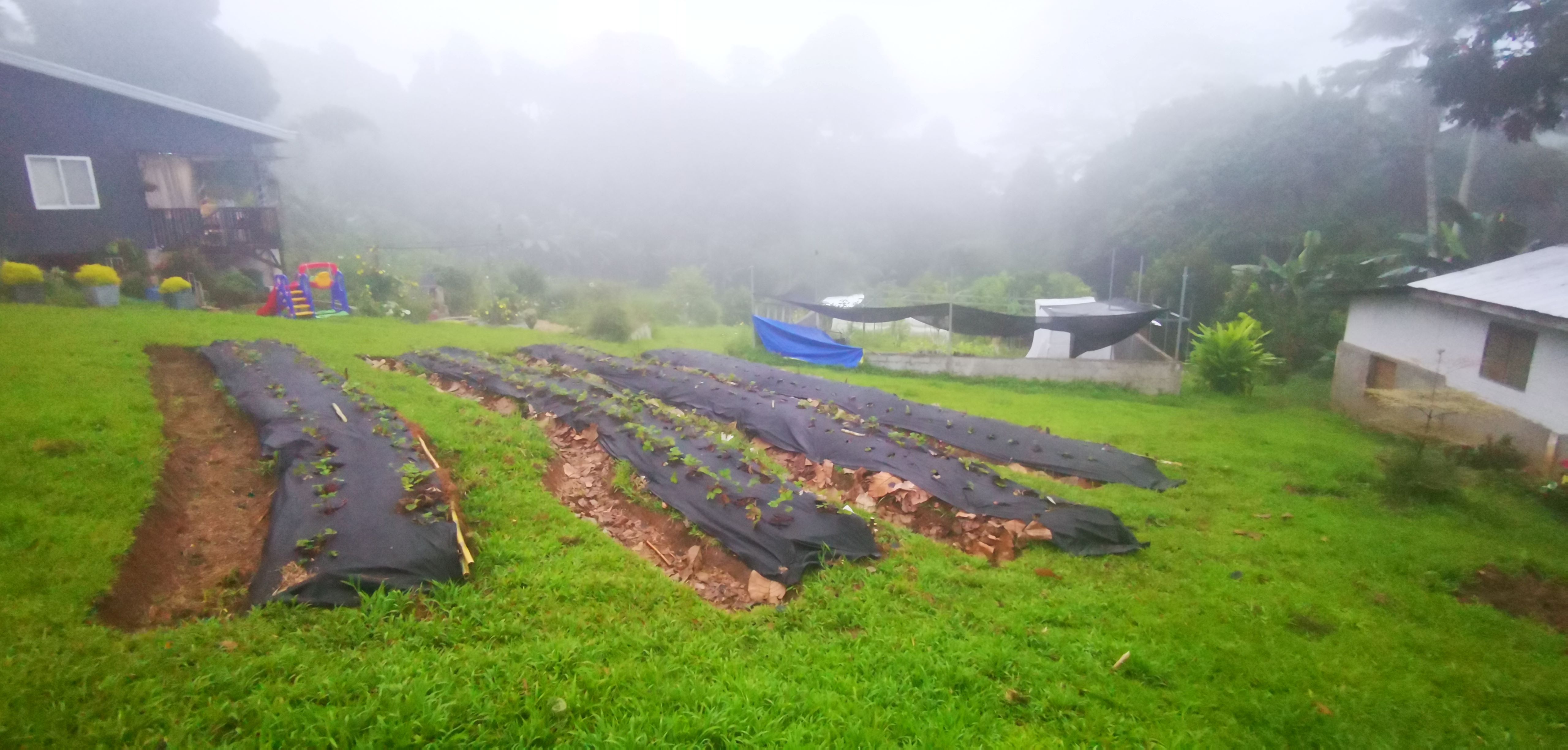
Berms are raised mounds or ridges of soil created alongside swales or in other areas of the landscape. They complement swales by serving as catchment areas for rainwater, helping to further slow its flow and directing it towards plants. By capturing and storing water, they create moist and fertile zones, benefiting plants with increased access to moisture.
Raising free-range chicken
Free-range chickens are like nature's lawnmowers when it comes to managing grasslands. Their constant pecking and scratching behavior helps control grass height and reduces the need for mechanical mowing. By foraging for insects and pests that can harm plants, these chickens act as organic pest controllers.
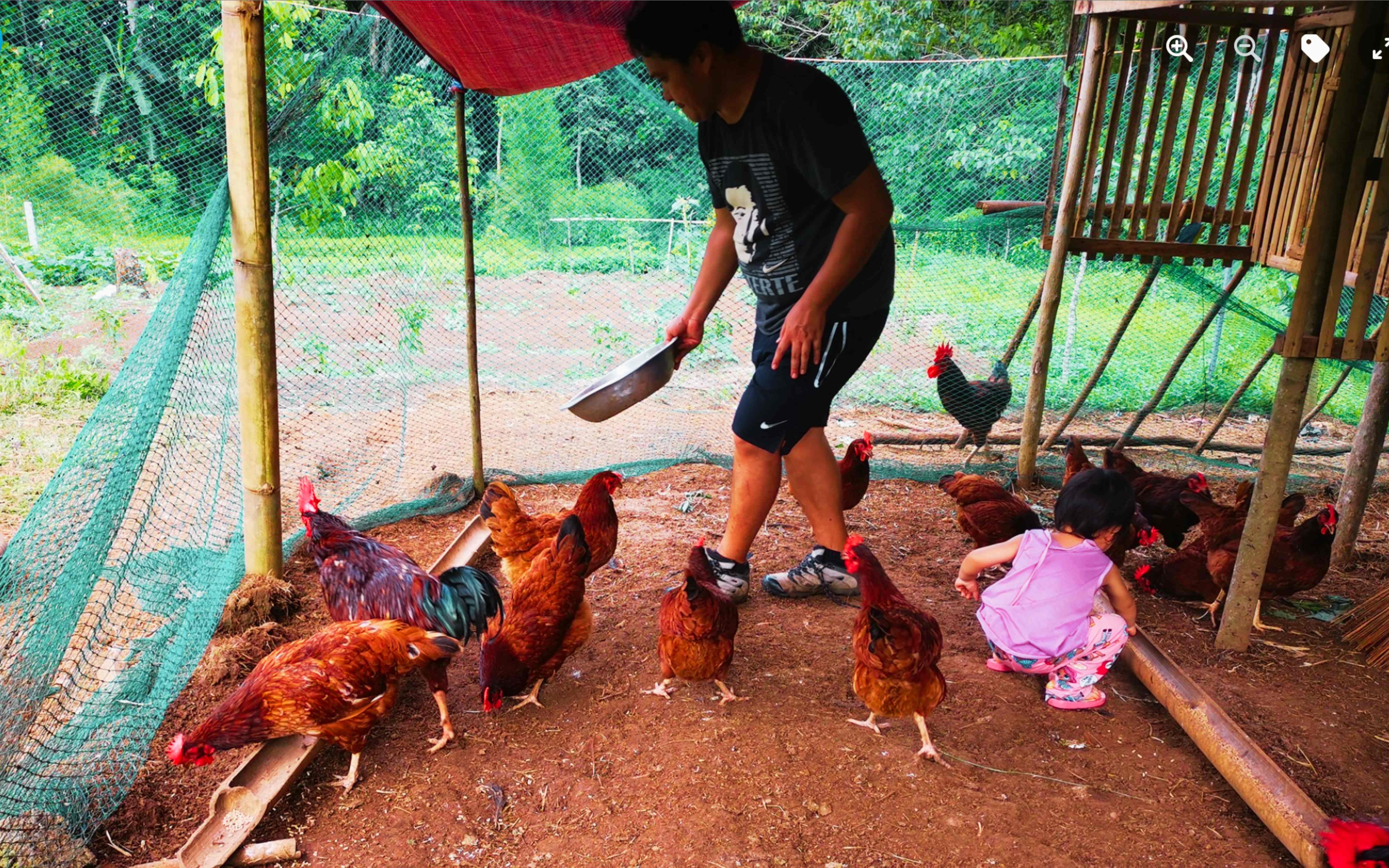
One of the most significant contributions of free-range chickens to permaculture is their nutrient-rich manure. As chickens roam freely and graze on vegetation, their manure is spread across the land. This manure is a potent organic fertilizer, high in nitrogen and other essential nutrients.
Creating natural habitats for natural predators
Creating natural habitats for beneficial predators that play a crucial role in maintaining ecological balance and pest control. Many snake species are natural predators of rodents like rats and mice. Allowing these non-venomous snake species to inhabit the permaculture site creates a balance in the ecosystem. Snakes help keep rodent populations in check, reducing the damage they can cause to crops and stored goods.
Constructing ponds boosts the dragonfly population. Dragonflies are voracious predators of flying insects, including mosquitoes and other pests. Creating a pond or wetland area provides breeding and hunting grounds for dragonflies.
Adopting permaculture principles and techniques not only enhances our ability to produce food but also contributes to the restoration and preservation of our natural ecosystems. Permaculture empowers individuals and communities to take proactive steps towards a more regenerative and harmonious coexistence with nature.
Photo courtesy of Eden FAITH Garden