







Reminder: Yes, both Feb. 9 and 10 are holidays


At A Glance
- Marcos issued Proclamation No. 453 on Jan. 18, declaring Feb. 9, 2024, Friday, a special nonworking day for the Chinese New Year. This is in addition to Proclamation No. 368, dated Oct. 11, 2023, which declared Feb. 10, 2024, a special nonworking day throughout the country for said occasion.
Yes, both Feb. 9 and 10 of this year are declared special nonworking days in the entire country due to the celebration of the Chinese New Year.
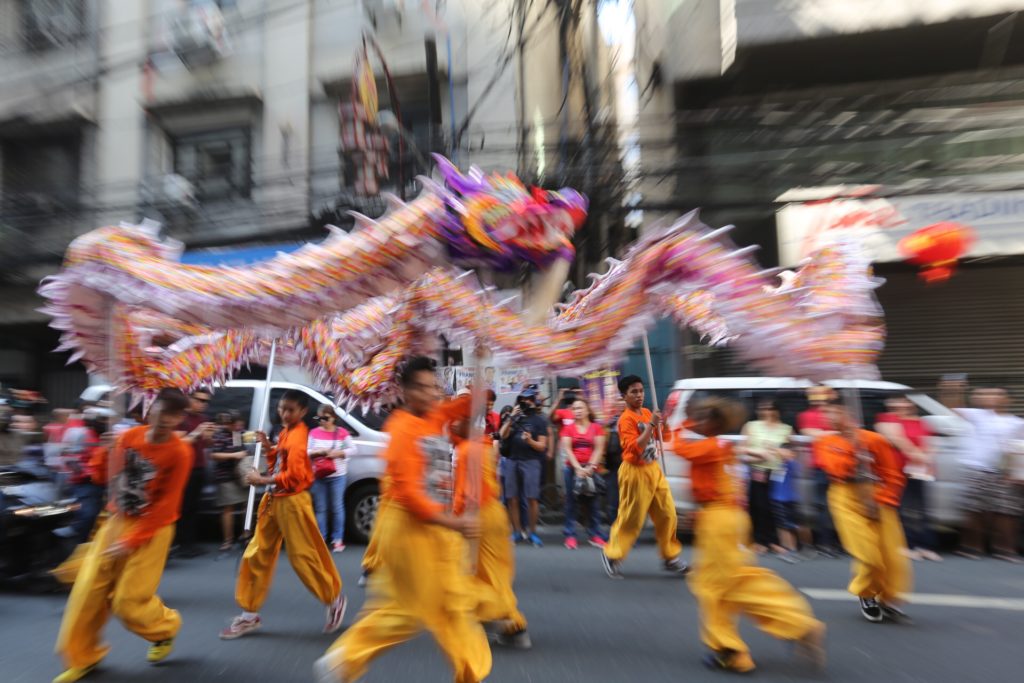
Communications Secretary Cheloy Garafil confirmed this in a text message amid confusion among some Filipinos after President Marcos issued Proclamation No. 453 on Jan. 18, declaring Feb. 9, 2024, Friday, a special nonworking day for the said occasion.
This is in addition to Proclamation No. 368, dated Oct. 11, 2023, which declared Feb. 10, 2024, a special nonworking day throughout the country for the Chinese New Year.
The newer proclamation, signed by Executive Secretary Lucas Bersamin, makes that week in February a long weekend and the year's first long weekend.
Based on Proclamation No. 453, the holiday was declared to allow the people to celebrate the Chinese New Year.
"The declaration of 09 February 2024, Friday, as an additional special non-working day throughout the country will give the people the full opportunity to celebrate the Chinese New Year and enable our countrymen to avail of the benefits of a longer weekend," it read.
Proclamation No. 453 directs the Department of Labor and Employment (DOLE) to issue the appropriate circular in implementing the proclamation for the private sector.
Chinese New Year marks the beginning of a new year on the traditional lunisolar Chinese calendar.