






 Lifestyle
Parenting
DDB Group Philippines triumphs as 'Agency of the Year' at 59th Anvil Awards
Lifestyle
Parenting
DDB Group Philippines triumphs as 'Agency of the Year' at 59th Anvil Awards
DDB Group Philippines triumphs as 'Agency of the Year' at 59th Anvil Awards
The agency group won a total of 19 trophies from its entry submissions this year
By MB Lifestyle


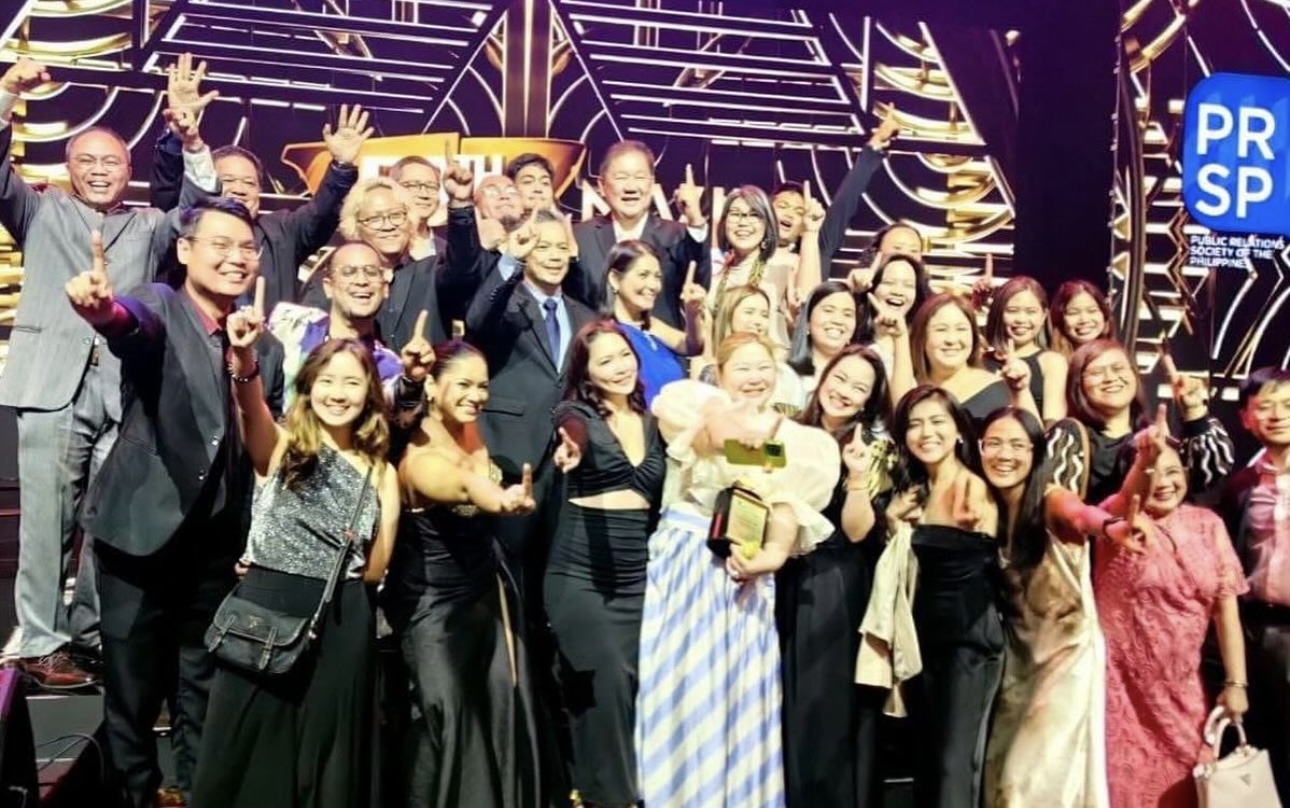
DDB Group Philippines won the highly coveted "Agency of the Year" title at the recently concluded 59th Anvil Awards of the Public Relations Society of the Philippines. The agency group won a total of 19 trophies from its entry submissions this year, comprising the group's impactful campaigns with some of its valued client partners, namely, Mang Inasal Philippines, Jollibee Philippines, PepsiCo Philippines, PLDT and Smart, and Asian Hospital.
Mang Inasal Philippines, the Philippines' Grill Expert, swept five Anvils for its campaigns with DDB Group's flagship creative agency, DDB Philippines (DDB PHL). These include a Gold Anvil for Best Use of Social Media for each of the following campaigns: Mang Inasal Nation Facebook Group, #MangInasalMOMents Mother’s Day Celebration, and #ILoveMangInasal Facebook Page Content Revamp. Another campaign, the Mang Inasal Creators Circle also won a Gold Anvil for Best Use of Influencer Marketing, while the #MangInasalHaloHaloBlowout Digital PR Campaign also received a Silver Anvil for Marketing and Brand Communication, all under the PR programs category of the prestigious Awards.
The Asian Hospital and Medical Center's campaign with DDB PHL dubbed "Alagang Deserve, Alagang Sulit" also won a Gold Anvil for Best Use of Social Media, and three Silver Anvils for Marketing and Brand Communication, Corporate Identity/Corporate Branding Program, and Best Use of Influencer Marketing for PR Programs.
Jollibee's various campaigns with DDB Group's integrated PR solutions company Ripple8 also won four Anvils under the PR Programs category. These include a Gold Anvil for Marketing and Brand Communication as well as a Silver Anvil for Best Use of Digital for Jollibee's Sarap ng Pasko Campaign; a Silver Anvil for Marketing and Brand Communication for Jollibee’s Christmas Drive- Thru Experience, and a Silver Anvil for Best Use of Influencer Marketing for the Jollibee Chicken Sandwich 2023 Campaign.
PepsiCo Philippines and DDB MNL's "Sting's Energy-Sarap Na Humahataw" (Sting Hataw) Campaign also bagged two Silver Anvils for Best Use of Digital and Best Use of Influencer Marketing under the PR Programs category.
PLDT and Smart's campaign with DDB MNL titled "Visionaries: Going Further Together with PLDT Enterprise" also won a Silver Anvil under PR Programs-Marketing and Brand Communication category.
Furthermore, PLDT and Smart's partnership with Tribal Worldwide Philippines (Tribal DDB) for PLDT Home's New Fiber Unli All Plans Launch Campaign won two Silver Anvils for Marketing and Brand Communication as well as Best Use of Digital under PR Programs.
DDB Group Philippines Chairman and CEO Gil G. Chua said that the Anvil recognitions are a testament to the passion and dedication of both its client and agency teams to work together and come up with impactful campaigns that deliver excellent results.
"I always believe that our clients’ success is our success. This honor is a testament to our commitment to the effectivity of our clients’ communications programs and campaigns. I thank all of our clients for their trust. And I thank the Public Relations Society of the Philippines for their unwavering dedication to recognize excellence in business and marketing communications," said Chua.
Presented yearly by the Public Relations Society of the Philippines (PRSP), the Anvil Awards, known to be the ‘Oscars of Public Relations’ in the Philippines, recognizes the best PR campaigns and tools that are implemented and executed by the country’s biggest companies, public relations agencies, organizations, and institutions. It is regarded as a symbol of excellence in the country’s Public Relations and business communications practice, with the entries going through a three- phase evaluation process by distinguished panels of screeners, judges, and multi sectoral jurors, both from the Philippines and abroad.