







The ultimate beachside investment awaits you
Start your property journey with Landco's BeachTowns
By Inigo Roces


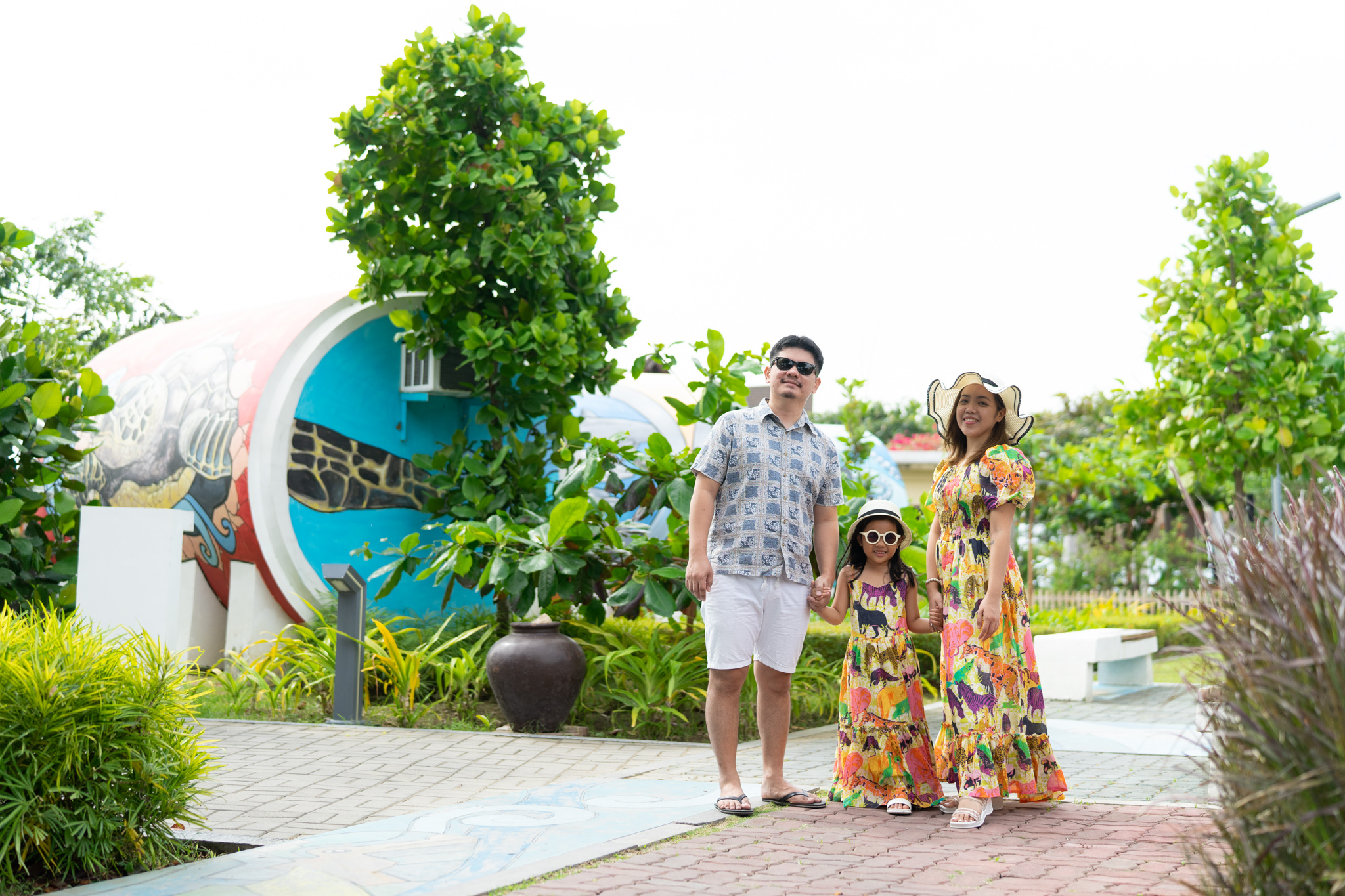 For Filipinos living abroad, a visit back home is definitely on the itinerary practically every couple of years. It’s a well-earned break to see relatives, enjoy the weather, and most especially experience the truly unique Filipino flavor of hospitality. But perhaps the best reason to come visit home is a leisure property that combines all of that into a scenic, luxurious, and relaxing space.
Landco Pacific Corporation (Landco), creator of world-class leisure communities, breathtaking resort-inspired condominiums, and luxury home communities in the Philippines is offering Filipinos in the US a chance to own a piece of paradise during its upcoming US roadshow. Slated for Oct. 7 and 14 in Southern California, the event will offer properties in Landco’s latest BeachTowns in Batangas with the exclusive Playa communities: Laiya and Calatagan; Resort Estates CaSoBe (Calatagan South Beach), and Club Laiya featuring the Seaside and Premier Districts and the recently launched iconic condotel The Spinnaker.

A year-round summer home and investment
Landco, best known for its flagship development, Peninsula de Punta Fuego in Nasugbu, Batangas, was the country’s first private and exclusive seaside residential resort. Since it was launched in the 1990s, its property appreciation is about 1,200 percent. As a subsidiary of the Metro Pacific Investments Corporation (MPIC) with business tycoon Manuel V. Pangilinan at its helm, Landco properties are the consummate investment: precious, priceless, prestigious, and continually yielding.
Now, Filipino-Americans have the chance to not only buy their dream summer home that can be enjoyed anytime of the year, but potentially capitalize on it as well.
“It’s the perfect time to invest in BeachTowns for its long-term property value appreciation, given Landco’s track record. It’s also a lasting legacy that can be passed on to the next generations, ensuring the well-being and financial security of many generations down the line,” said Erickson Y. Manzano, President and CEO of both Landco and Millennial Resorts Corporation (MRC).
Today’s Philippine real estate investments provide a compelling opportunity, not just because of its natural beauty that makes it a hotspot for investment of both local and foreign buyers, but its considerably affordable cost compared to its neighboring Southeast Asian countries. Recognizing its potentials, the Philippines offers an attractive package of financial upswing practicality supported by a growing tourism industry.
Landco BeachTowns
Setting a new standard for luxury beachside living, Landco BeachTowns are master-planned communities offering pristine white beaches, accessibility to the city, strong WIFI connection, world-class infrastructure, modern facilities, and resort amenities.
These are primarily located in Batangas, one of the top tourist and leisure destinations that is only a two to three-hour drive from Metro Manila and an idyllic beach getaway for city dwellers, weekend warriors, and those who opt to balance work and leisure at the beach. It’s an all-in-one destination offering dive spots, stunning beaches, golf courses, historical and cultural attractions, fresh seafood, wellness sites, and local culinary offerings.
Built on a 128-hectare development complex in Laiya, Batangas, Playa Laiya is a master-planned exclusive seaside residential community with resort-type amenities and an extensive beachfront access.
Closer to the beach is the 23-hectare Club Laiya, a beachfront residential and commercial estate, where lot owners can fully maximize their property by putting up shophouses that can serve the tourist market.
Investors can also opt to avail of the commercial lots in the Seaside District for their shophouse concept that is strategically located near the hotels and condotels, beach club with resort amenities, events space, blue streets with pedestrian walkways, slipway for jet ski and small boats, and central plaza.
The Premier District is the master-planned beachside forest community within Club Laiya that is a little more inland yet within walking distance to and from the beach. Showcasing a peaceful and serene environment with mountain views, lush greenery, and family-friendly amenities, property investors of the residential community can build their beach home which can double as a bed and breakfast, vacation rental, or a uniquely-designed home that can be signed up for popular travel apps like AirBNB. This residential development features sports and multi-purpose facilities along with an impressive 141 linear meters swimming pool, mini parks, and urbanized forest trails around its entire perimeter.

Within Club Laiya is The Spinnaker, a 22-storey sustainable condotel that takes after the front sail of a ship, an iconic architectural masterpiece situated by the beach. It offers all 247 curated units a sea view, with some also facing the magnificent view of Mount Daguldol. This premium, medium-rise beachfront condotel allows unit owners to enroll their units in a rental pool, to be managed by Millennial Resorts. This eco-friendly development is also pursuing EDGE certification from the World Bank.
Landco BeachTowns in Calatagan, Batangas are amid what is known as the playground of the affluent with a breathtaking sunset view, nature’s beauty, and relaxed environment. Its laidback resort lifestyle is near golf courses, equestrian clubs, dive spots, cultural, and historical attractions.
Situated on a stunning 78-hectare beach paradise, Playa Calatagan is a master-planned exclusive seaside residential community, which boasts of Asian Tropical architecture and a host of amenities that embody quality seaside living at its finest.
The 15-hectare Calatagan South Beach (CaSoBe) is a haven for leisure seekers finding solace within a tourist community, with fun, and relaxing experiences all year round.
Landco BeachTowns are also situated in Samal Island, Davao. Playa Azalea, the exclusive residential community; and Resort Estates Costa Azalea for mixed use residential and commercial spaces, boast of white sandy beaches, towering coconut palms, lush flowering plants, verdant fruit trees and mangroves, stunning rock formations and a fantastic view of Davao City and the Davao Gulf.
Designed to be sustainable
Creating long-term sustainable value for property owners and investors, these developments are committed to long-term social, economic, and environmental sustainability. Landco’s sustainability thrust aims to create a positive impact on the community and environment.
Resort Estates in Batangas: CaSoBe and Club Laiya are both LEED (Leadership in Energy and Environmental Design). Permeable and scenic tree-lined walkways and bike lanes in these Resort Estates help reduce carbon footprint.
Millennial Resorts, the hospitality arm of Landco in the BeachTowns, implements environmental-friendly and resource-efficiency measures that are integrated into the operations of its facilities. Crusoe Cabins at CaSoBe (Calatagan South Beach) is the first EDGE (Excellence in Design for Greater Efficiencies) certified resort in the country. The EDGE Certification was awarded by the Philippine Green Building Initiative, Inc. (PGBI) which recognized Crusoe Cabins for its eco-efficient design that results in reduction of 34 percent in energy, 57 percent in water, and 65 percent in embodied energy in materials compared to local base case.
Landco BeachTowns, CaSoBe and Club Laiya, and The Spinnaker are the first to adopt a double-piped water management system in the country. This water recycling feature allows wastewater to be treated and piped back for toilet flushing, irrigation, and other uses. The result is the exponential reduction of water consumption and significantly lower water bills for lot owners.
“Sustainability is truly embedded in our corporate DNA. We do it not because we have to, but simply because it’s the right thing to do,” stated Erickson Y. Manzano.
An investment for generations
Known for pioneering premium landscapes for more than 30 years, Landco properties have a long-established reputation for creating valuable developments, a legacy that continues to ring true since its first development, Punta Fuego.
More recently, Landco was awarded the Best Leisure Real Estate (Resort Estate) Developer of The Year in the 2023 Global Economic Awards, and 2023 Real Estate Asia Award; Best Luxury Leisure Projects Developer in the 2023 Global Business Outlook Awards; and Most Sustainable Developer and Best Real Estate Developer in the 2023 International Investment Awards for the development of the BeachTowns.
These awards came after the prestigious Silver Award of Landco BeachTowns CaSoBe (Calatagan South Beach) for Outstanding Development in Luzon – Masterplan in the 2023 Property and Real Estate Excellence Awards by the Philippine chapter of the International Real Estate Federation (FIABCI), dubbed as the “Oscars of Real Estate,” which recognizes properties that best embody excellence in all real estate disciplines.
A forever summer home in a Landco property is not just a luxury, but an investment that pays dividends further down the line.
“Having a property in these BeachTowns is something that homeowners and property investors can enjoy now as their dream beach house, second home or an exciting new business venture. At the same time, it’s a long-term investment that appraises in value,” Manzano shared.
For more information about Landco and its BeachTowns, watch the video through this link: Landco Pacific Corporation or visit their official website and Facebook page.