






 Entertainment
Music and Concerts
'Amazing!': K-pop idol-actor Taecyeon reunites with Pinoy fans after more than a decade
Entertainment
Music and Concerts
'Amazing!': K-pop idol-actor Taecyeon reunites with Pinoy fans after more than a decade
'Amazing!': K-pop idol-actor Taecyeon reunites with Pinoy fans after more than a decade


After more than 10 years, Korean actor and K-pop idol OK Taecyeon met his fans again in the Philippines.
A member of K-pop group 2PM, Taecyeon held his “SpecialTY: 2023 OK Taecyeon Asian Fanmeeting” on Sept. 23 at the New Frontier Theater.
Besides being a singer, he has been active as an actor, starring in the dramas “Vincenzo” and the recent “HeartBeat,” which is available on Prime Video.
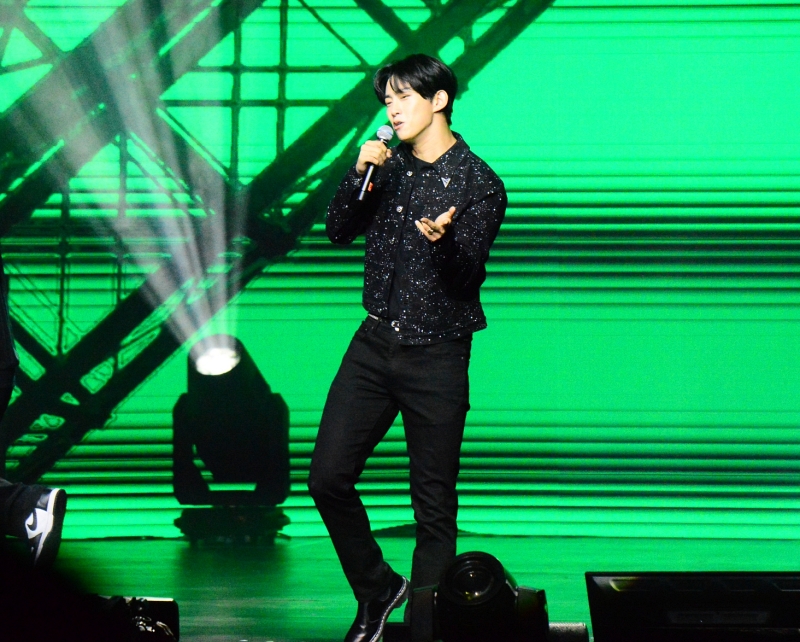
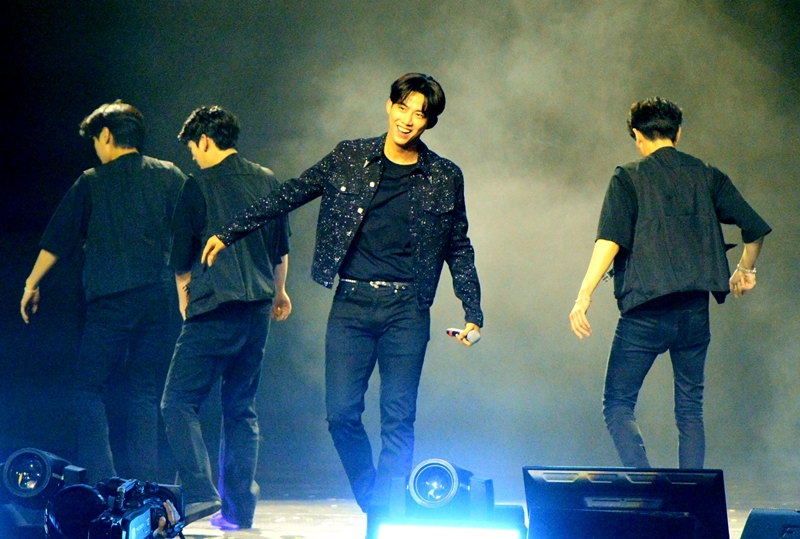
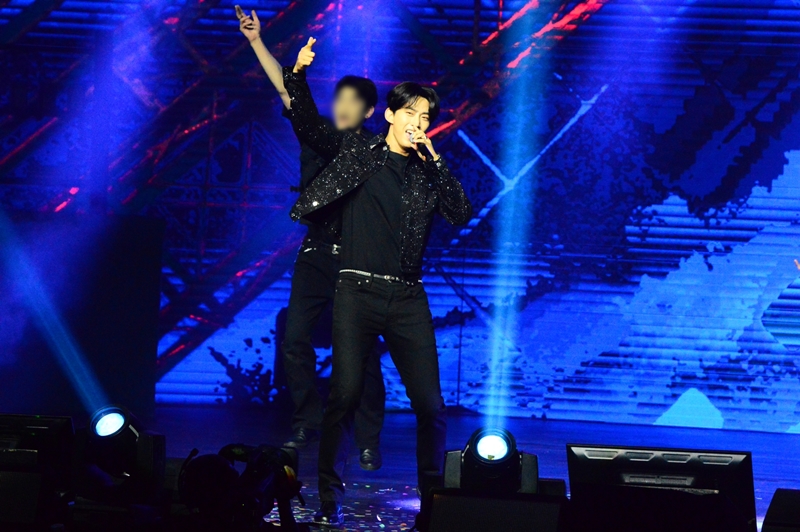
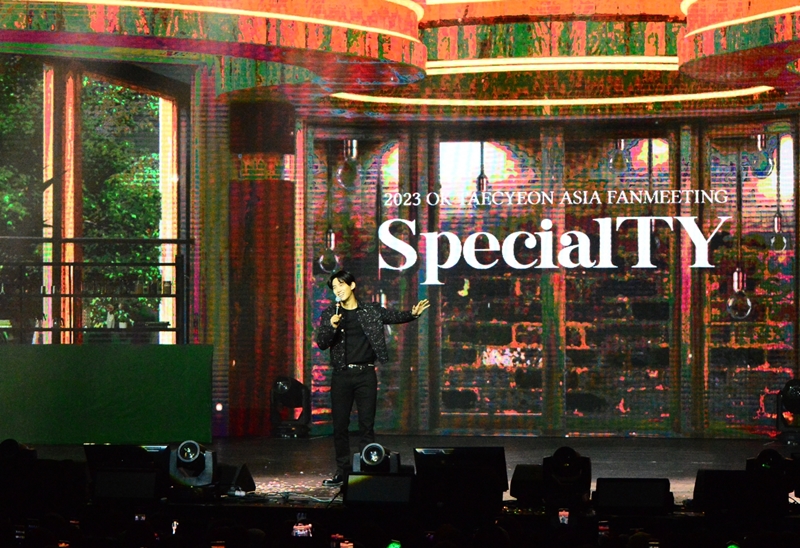
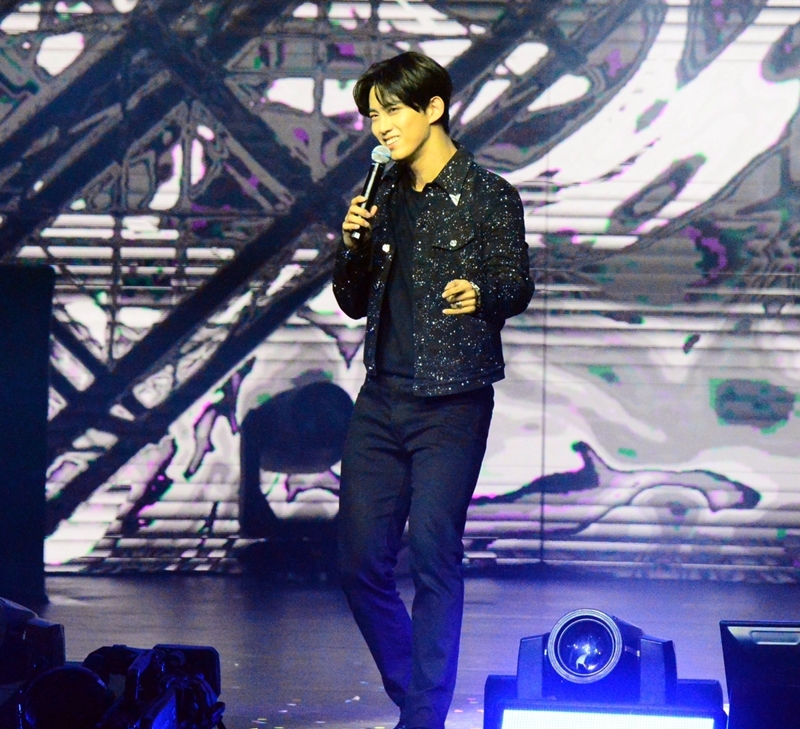
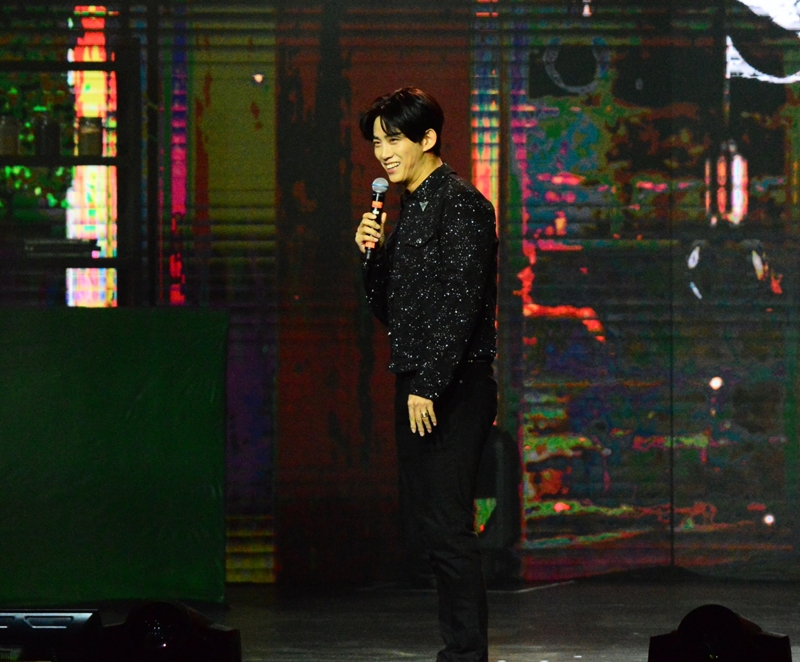
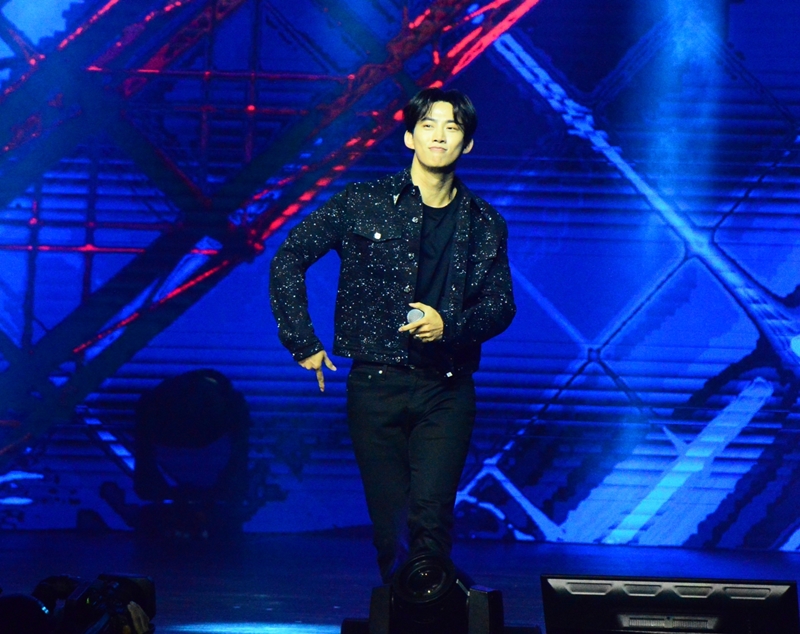
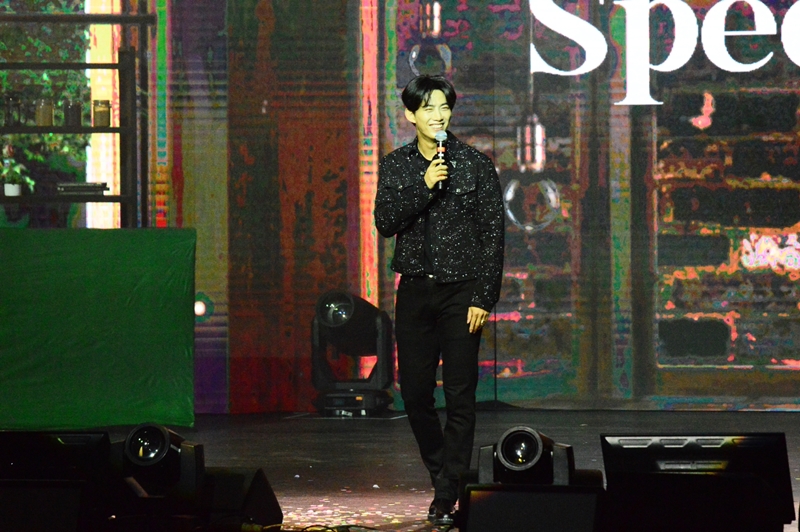
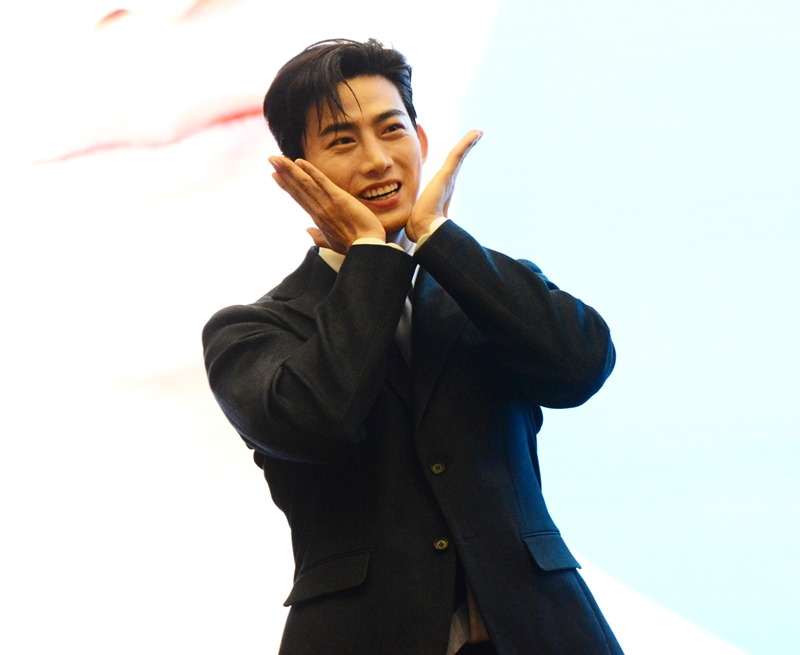
Korean actor and idol OK Taecyeon at his fan meeting in Manila on Sept. 23 at the New Frontier Theater (Jonathan Hicap)
“Coming back [in the Philippines] is amazing!” said Taecyeon during a press conference on Sept. 22 at Novotel Manila Araneta City.
He added, “I can still feel the love and support from Filipino fans from the airport. So I feel grateful, very happy to be back here again.”
It was on March 2, 2013 when 2PM held their “What Time Is It: 2PM Live Tour in Manila” at the SM Mall of Asia Arena.
“All we remember was that all Philippine fans were so supportive, so loud, they were so energetic. It was almost like having six of us all in the same stage, it felt like all the fans were on stage performing with us,” he recalled.


K-pop group 2PM and Taecyeon at their “What Time Is It: 2PM Live Tour in Manila” concert on March 2, 2013 (JYP Entertainment)
Taecyeon debuted in 2008 in 2PM, dubbed back then as the “beastly idols.”
“Time flies,” he said. “It really feels like yesterday when we all debuted in 2008 and now it’s 2023. I feel very old. I’ve learned a lot of things from my experiences. Gotten wiser, I hope. 15 years. To some people it’s a long time. But for me it was very quick. I am me because of those 15 years.”
“When we first started, we were like business partners, basically. After 15 years, we feel like family. We can depend on each other and we can always trust each to help each other out and support each other. That’s the difference between then and now,” he said.
Taecyeon also distinguished working with 2PM and being a solo artist.
“When it’s six of us, I think we can trust each other to do their best work and we can share the responsibility as a group. I would handle things that needed to be done. Responsibility wise, it’s easier for the group rather than me being a solo artist. Whereas a solo artist, it’s you, you’re the only one who has to take care of your everyday business,” according to him.
He said, “Being on stage as well. Being with the group, it’s always…it kinda feels like you are home where everyone around you can relate to. Whereas me being alone on the stage, it kinda gives me a little bit nervous.”
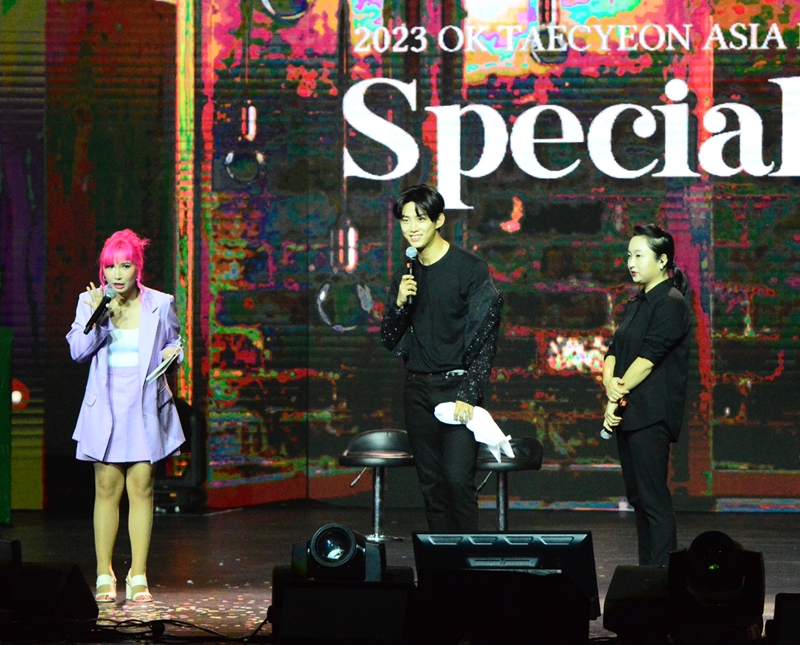
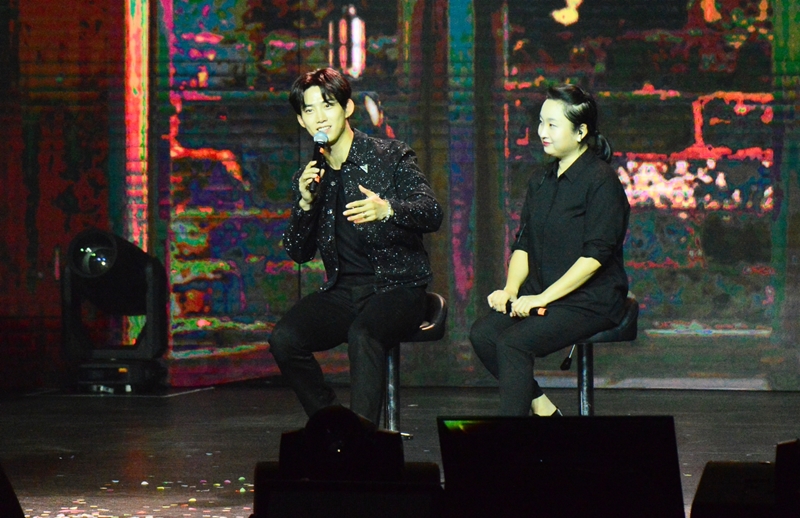
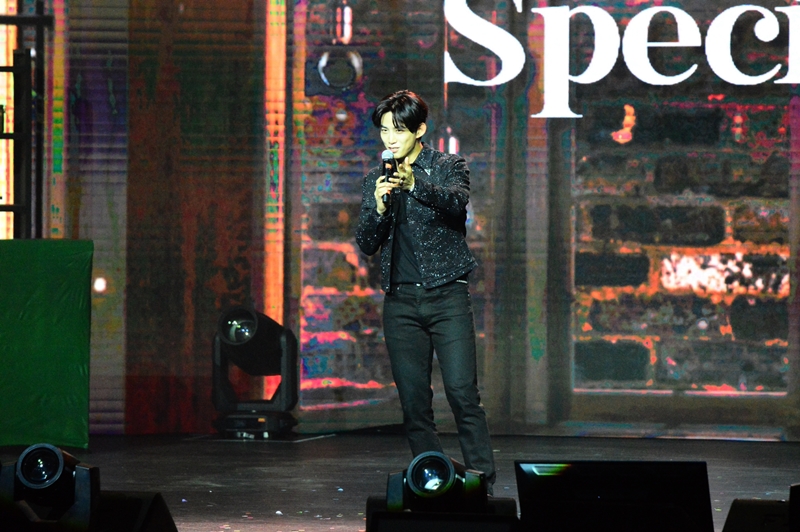
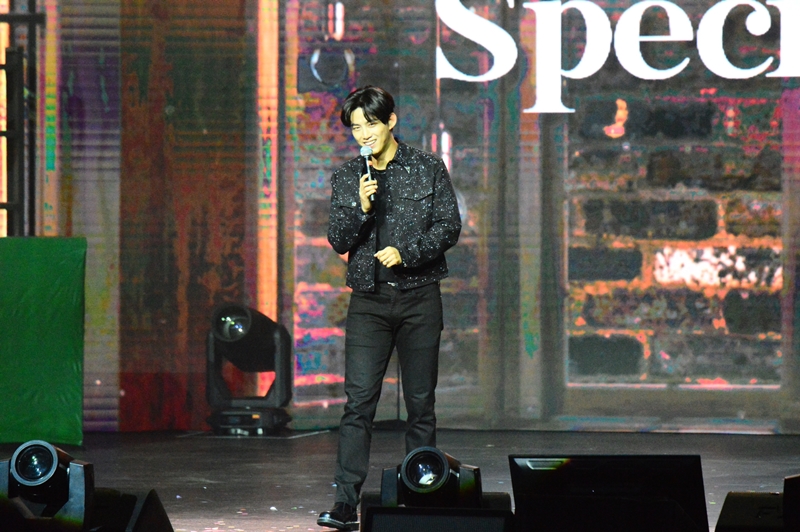
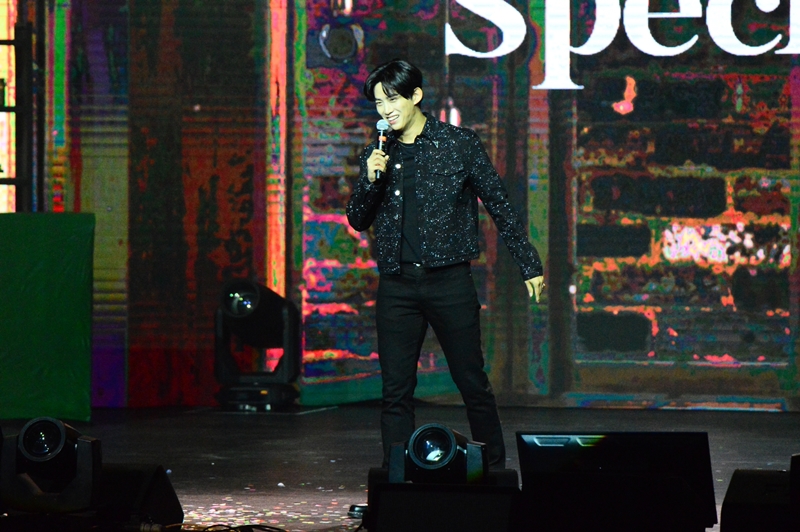
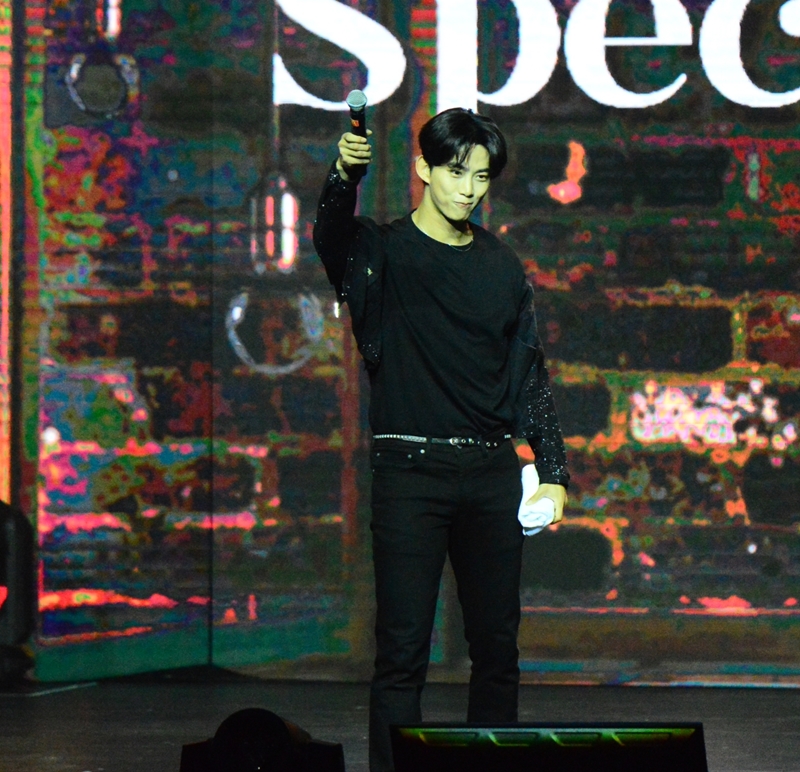

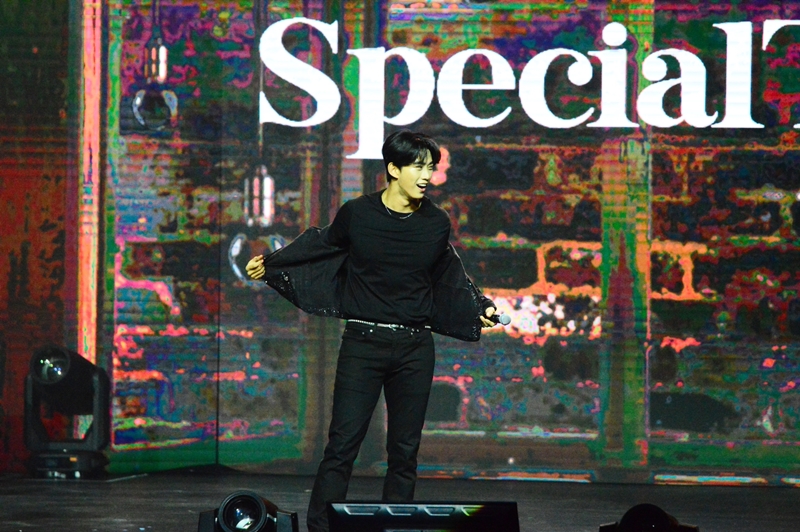
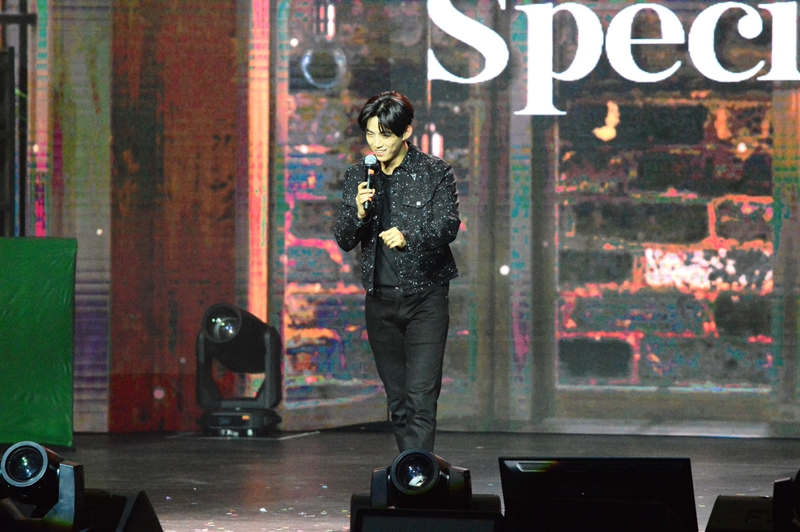
Korean actor and idol OK Taecyeon at his fan meeting in Manila on Sept. 23 at the New Frontier Theater (Jonathan Hicap)
About releasing his own music, Taecyeon said, “All the songs that I’ve released, it was for my fan meetings. I don’t think I’ll be releasing any solo album anytime soon. Maybe. I don’t know what the future holds for us.”
As an actor, Taecyeon has appeared and starred in dramas such as the recent “Prime Video” series “HeartBeat,” “Vincenzo,” “Blind” and “Secret Royal Inspector & Joy.”
“Some of the characters are like the person that I am. We share some of the stuff that is shown on TV. I don’t think there’s one character that is so close to me wherein the similarities are uncanny,” he said.
Taecyeon said the fans are his No. 1 motivation.
“My motivation first and the most, I would say, is you guys, the fans. Yeah it has to be. It’s what gets me going like every time I go to work, every time I perform, every time I’m shown on TV or movie scene or anywhere. Without you guys, it’s basically meaningless. So I think it’s the fans, the biggest motivation of my life for keep going,” he said.
His goal as an actor is to try different roles and characters.
“My ultimate goal. I do want to expand my spectrum as an actor because every time I do like a very light, very bright, comedic genre and then I do very dark one, and then I do a bright one and then I do a dark one. I try to keep expanding the horizon for the whole acting spectrum. That’s my goal for now. I do wanna try different roles. I wanna try something that would show my physique,” he said.
When he is not working he said, ”I like to sleep in. I like to sleep a lot. I go work out. Two hours around. And then I do some light jogging. And then I do some reading. I really don’t do much. I think I’m like a stay at home kinda guy.”
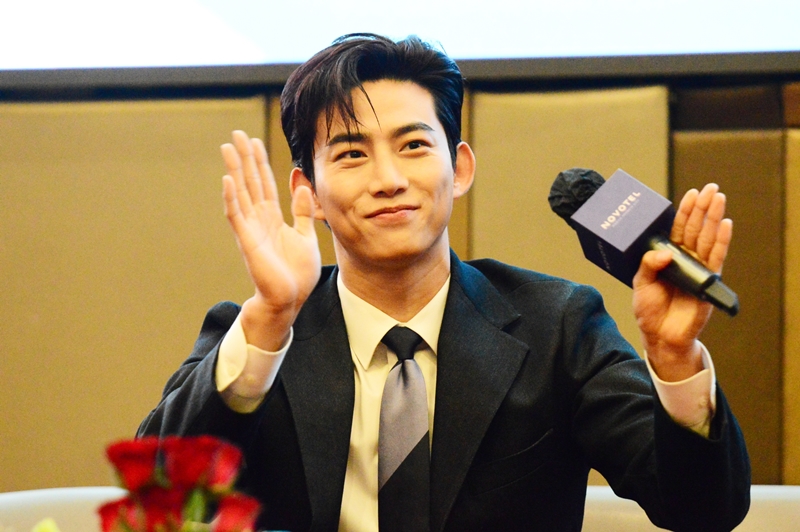
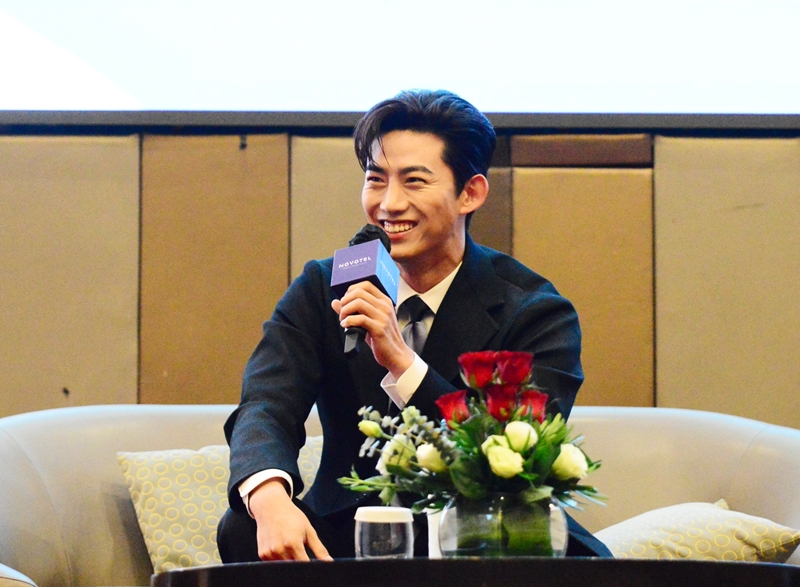
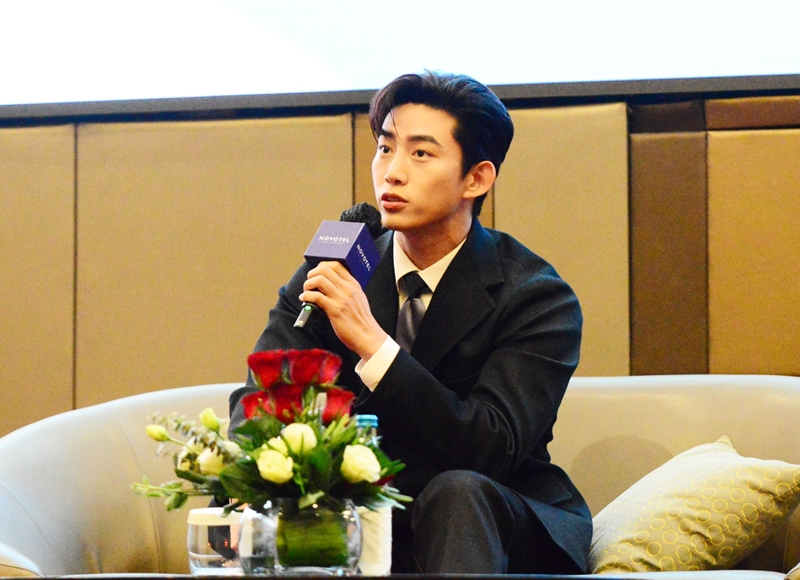
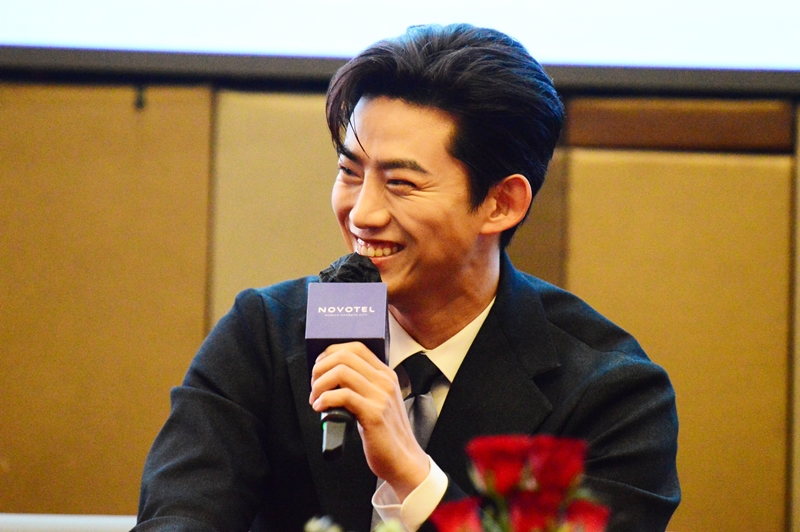
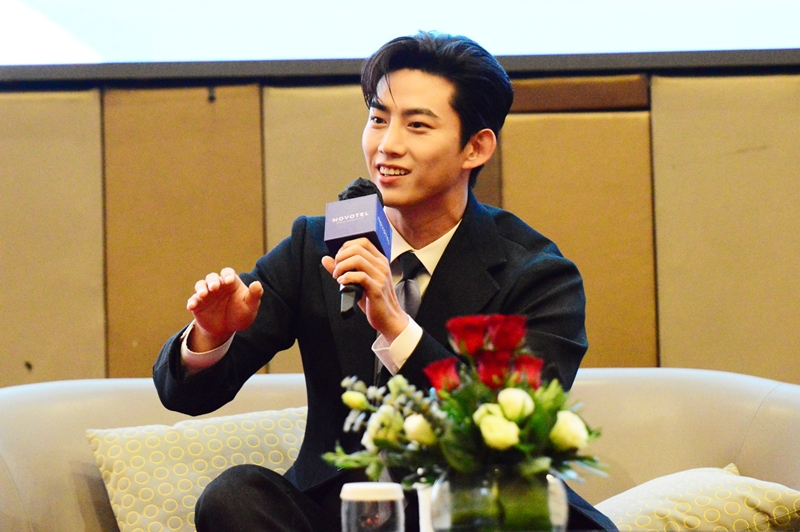
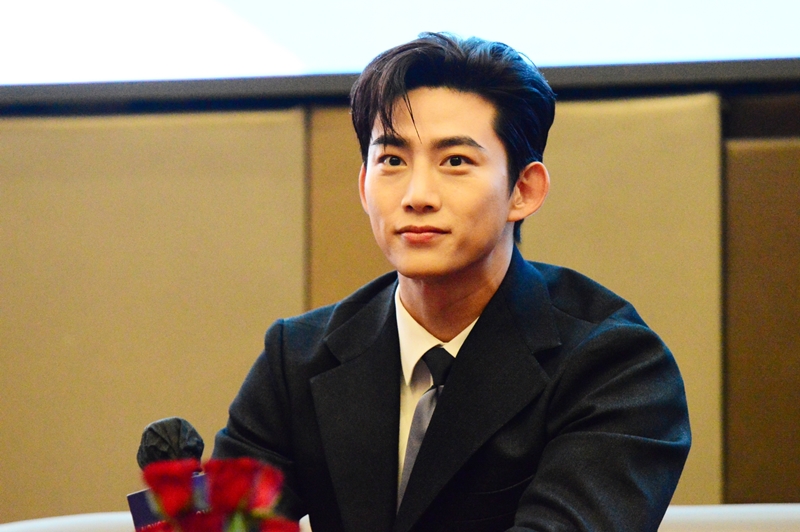
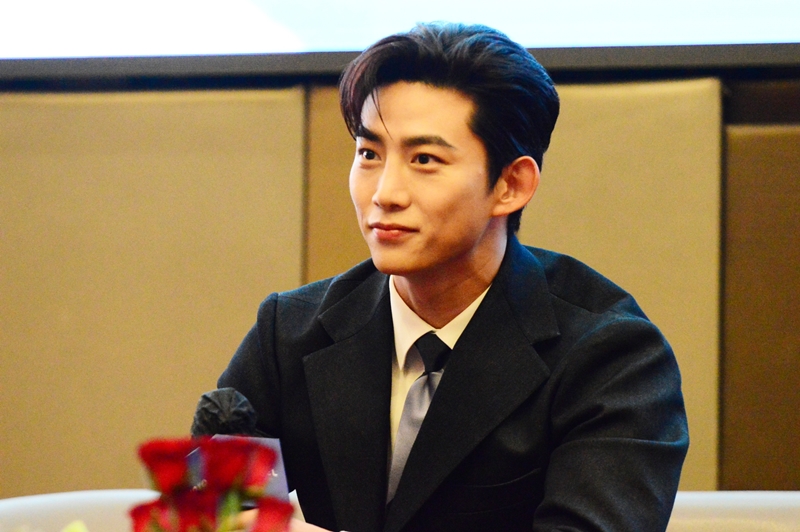
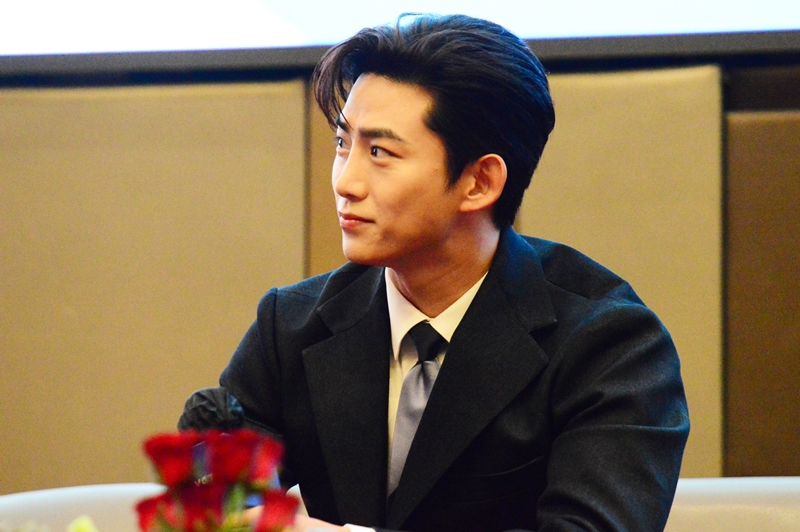
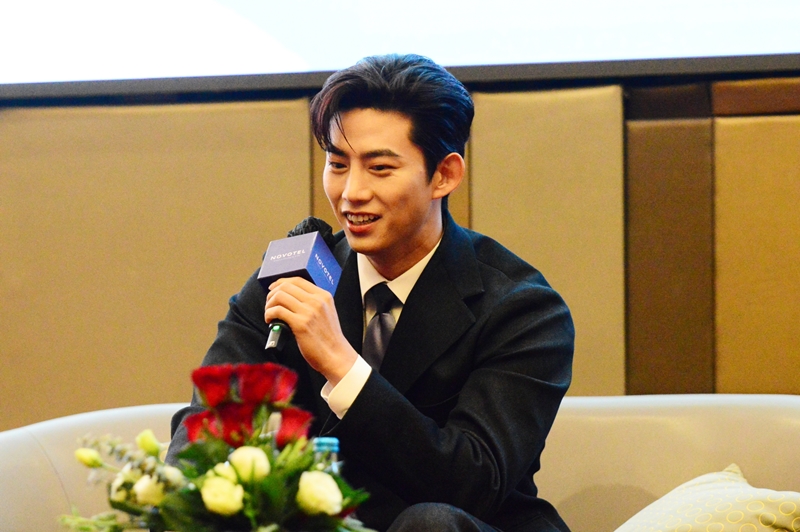
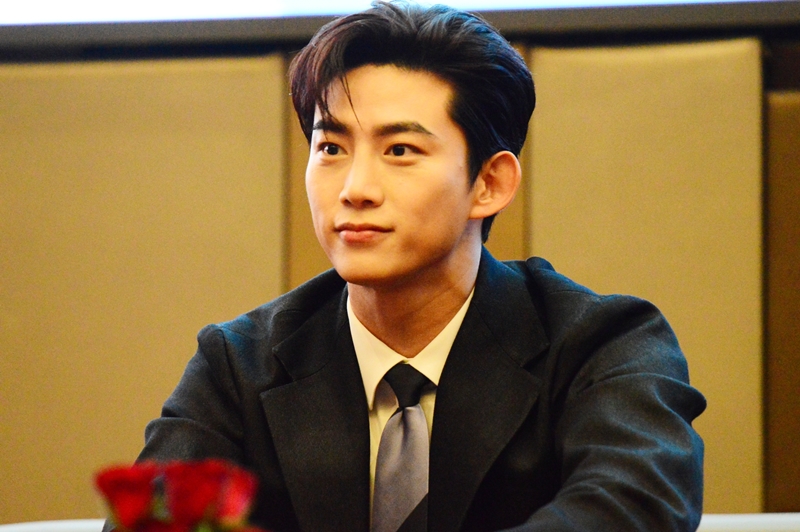
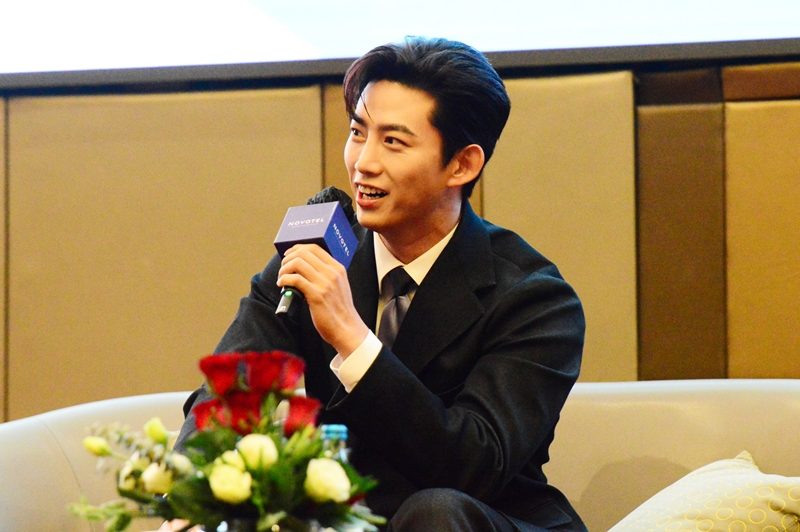
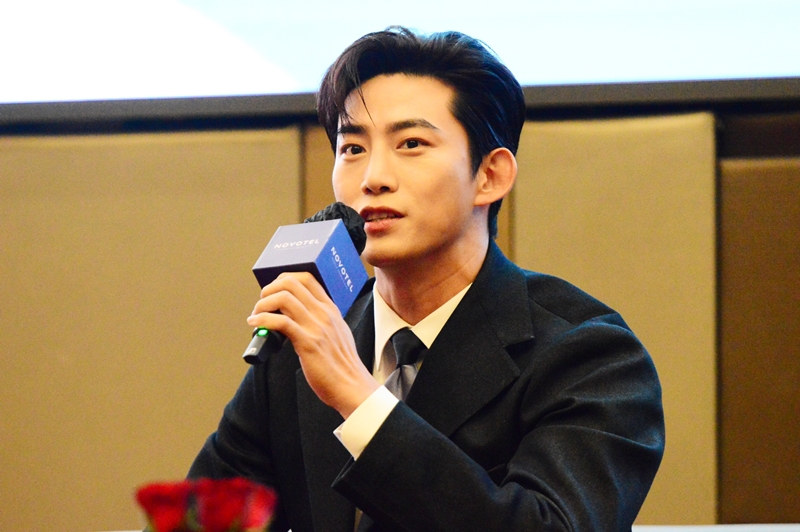
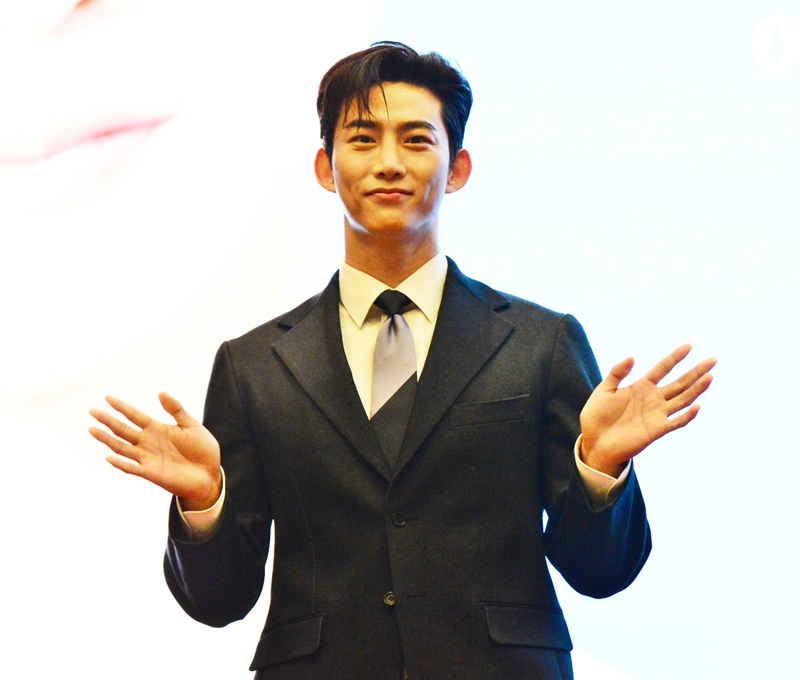
Taecyeon at his press conference on Sept. 22 at Novotel Manila Araneta City (Jonathan Hicap)
Fan meeting
Taecyeon started the fan meeting by performing the songs “Magic” and “Anyway.”
“Ako si ‘borta’ Taecyeon. Na-miss ko kayo talaga. Sobrang masaya ako [I am ‘macho’ Taecyeon. I really missed you. I am so happy],” he greeted the crowd.
He added, “I am very, very, very grateful for you guys to be here.”
Different segments of the fan meeting showed Taecyeon having selfies with fans, playing games with them and discussing his career.
One of the surprises Taecyeon did was to sing Filipino band Side A’s hit song “Forevermore.”
For those who want to go to Korea, Taecyeon made recommendations on places to visit and food. He said for K-pop fans, they may visit the entertainment companies of their idols. For Korean drama fans, they can go to filming sites, he said.
For food, he recommended eating “samgyetang” or ginseng chicken soup.
“I usually eat it during summer times. It’s supposed to be good for your body,” he said.
He added, “Korea is a fantastic place.”
In another segment, Taecyeon designed a reusable cup and gave it to a fan. Fans were also able to record Taecyeon’s morning call: “Hottest, gumising ka na. Kailangan mong pumasok sa paaralan (Hottest, please wake up. You need to go to school).”
He also made coffee and put it in a tumbler he made years ago. A video from his Filipino fans was also shown.
Taecyeon also performed 2PM’s “Jump” and “Hands Up” for the fans.
“You guys really know that we would love to come back as soon as possible. I’m not gonna lie. It’s gonna take some time before we come back but I promise you we’ll come back. Meeting you guys has blown my senses away. You guys are amazing tonight. I will try my best to come back and be the entertainer that you guys can look up to and smile,” he told fans as he ended the fan meeting.
The “SpecialTY: 2023 OK Taecyeon Asian Fanmeeting” was presented by Pulp Live World.
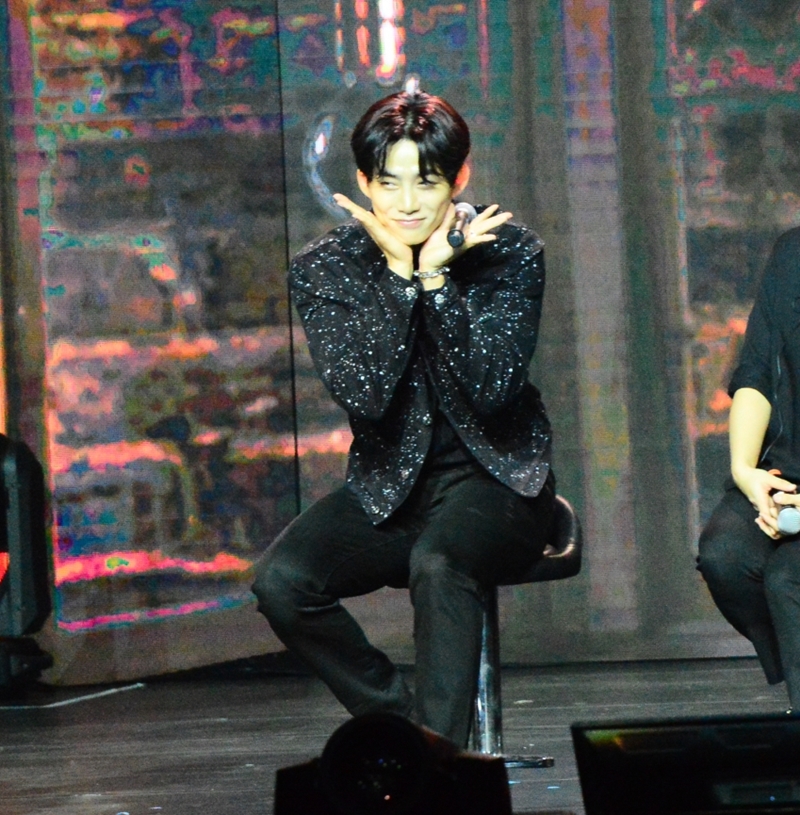
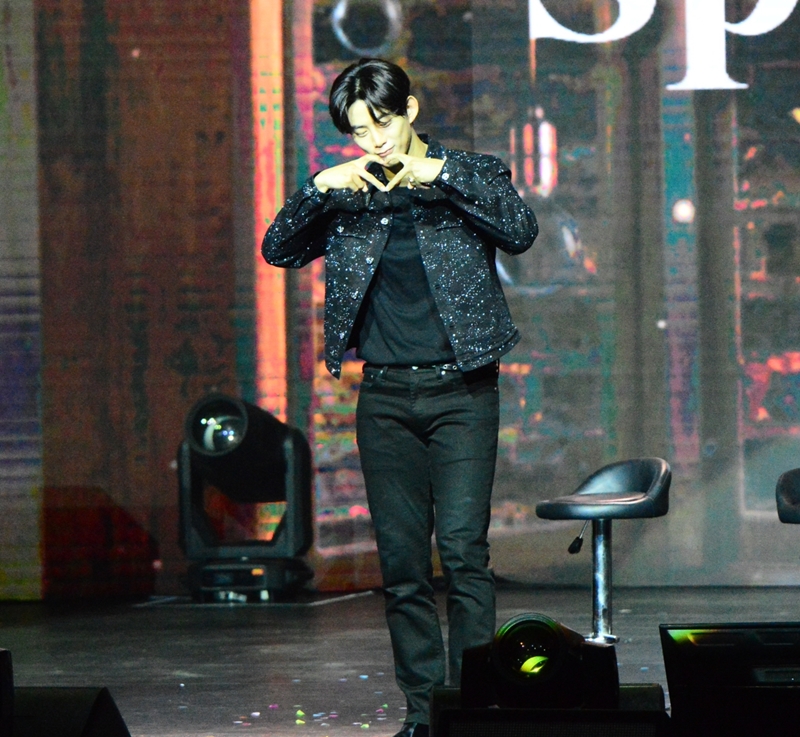

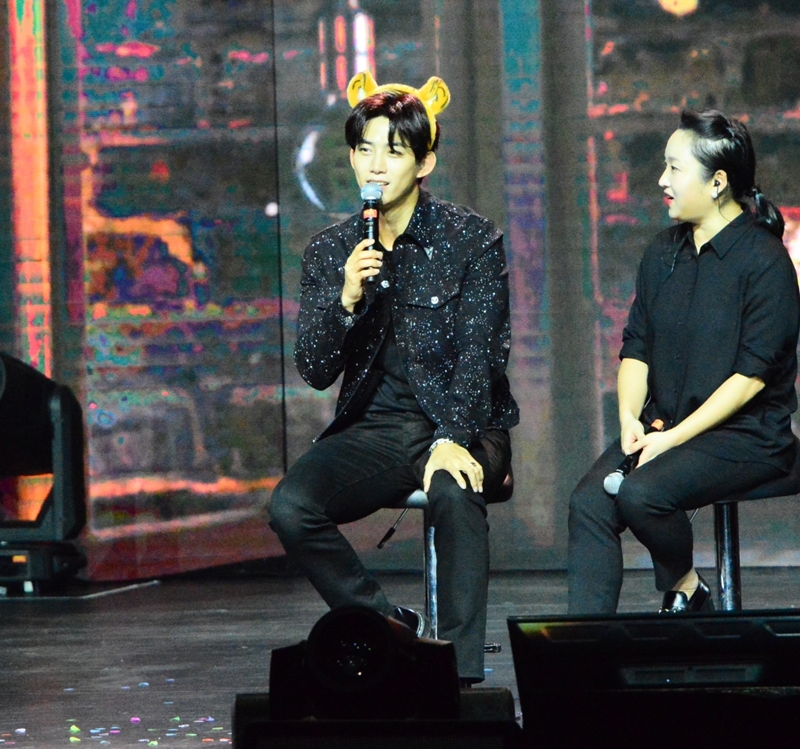
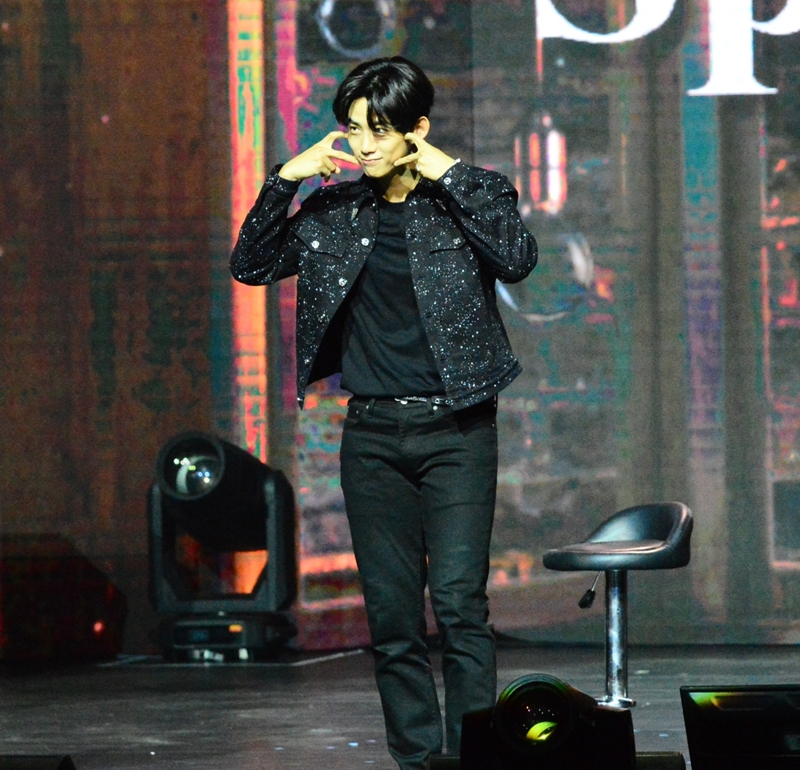
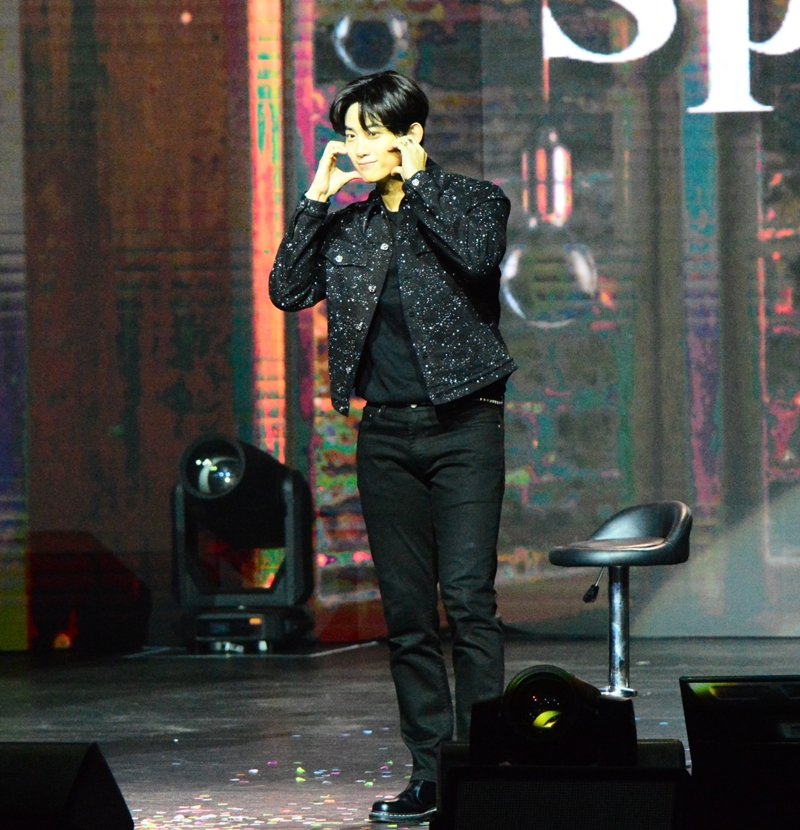
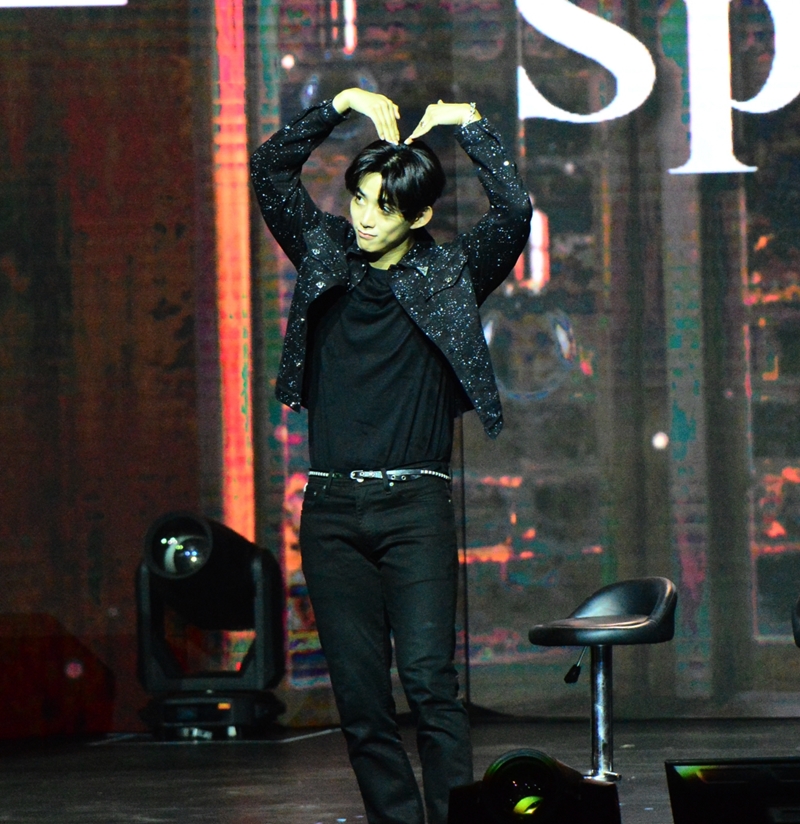
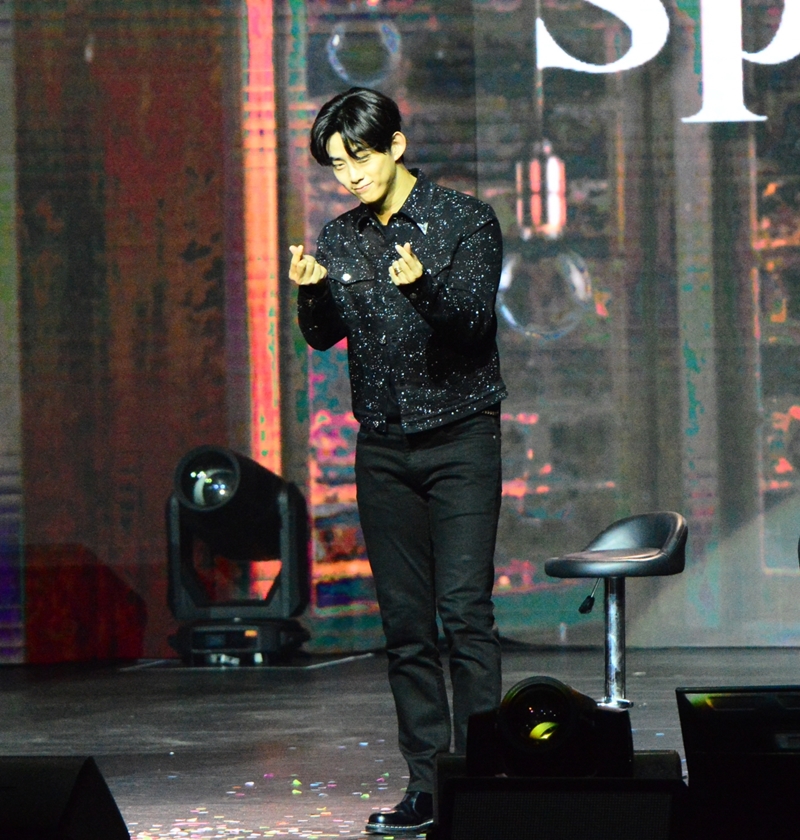
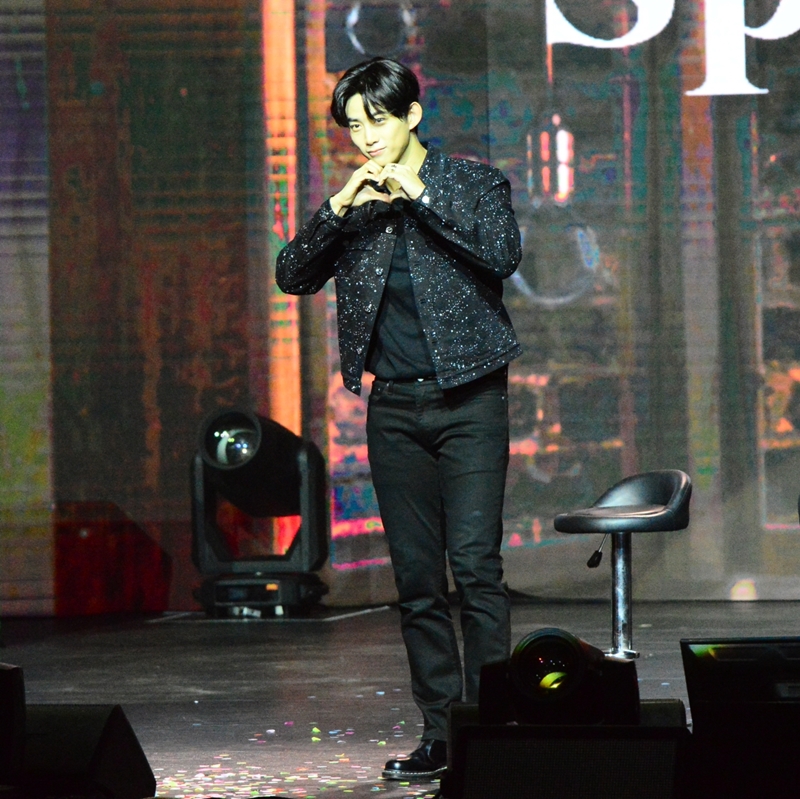
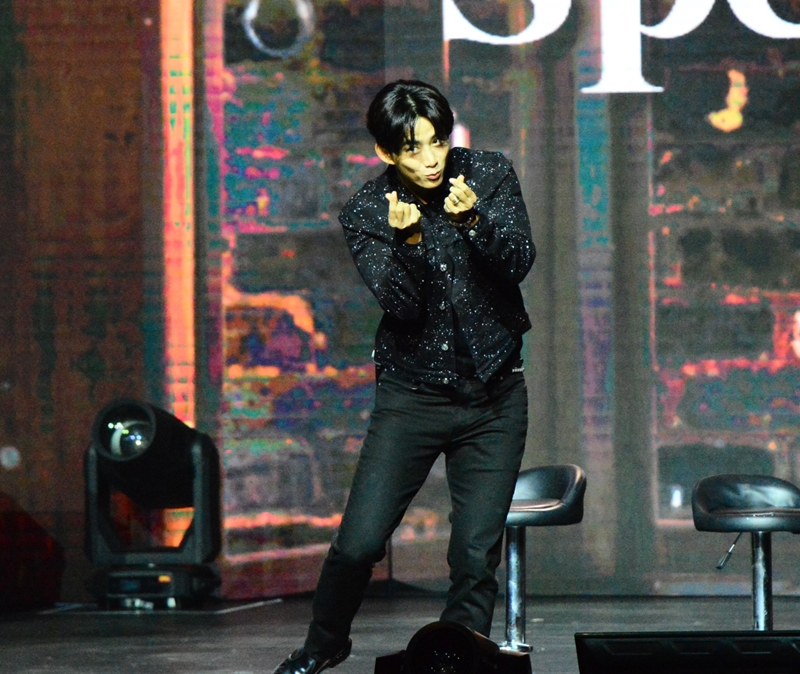
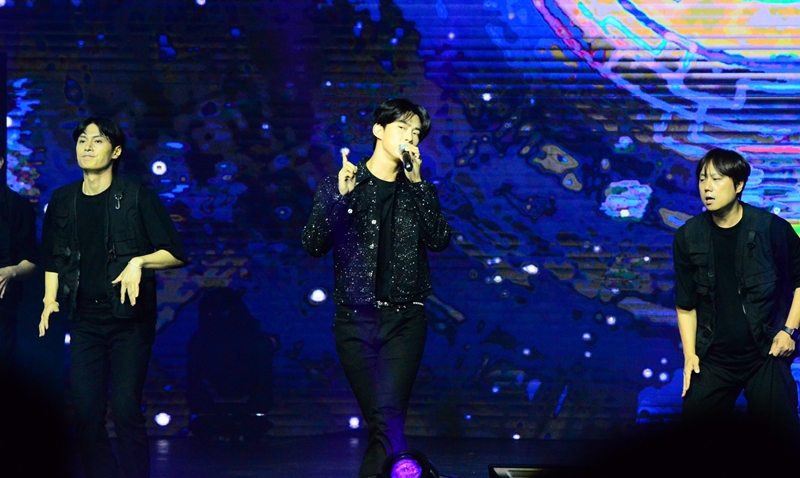
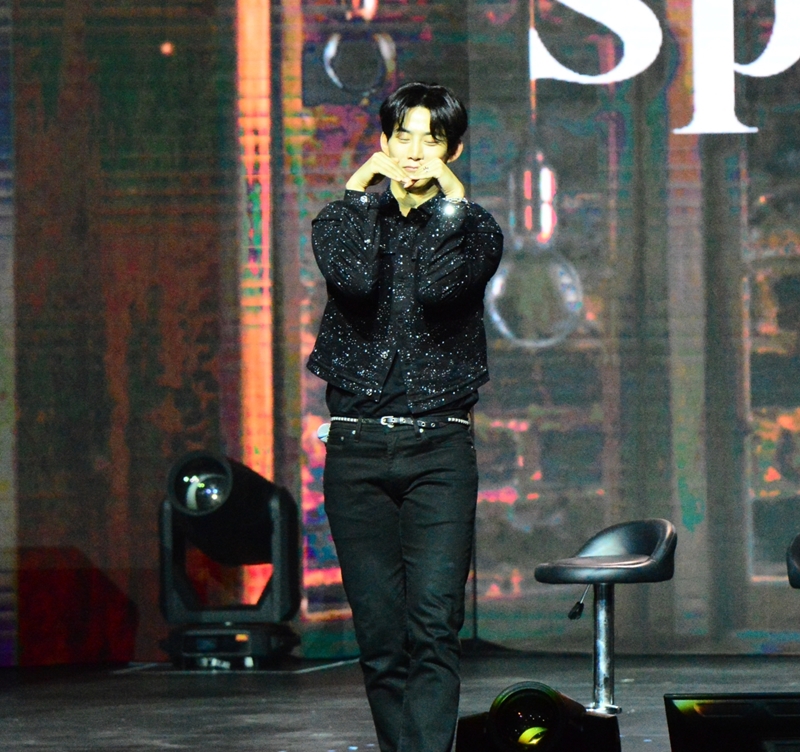
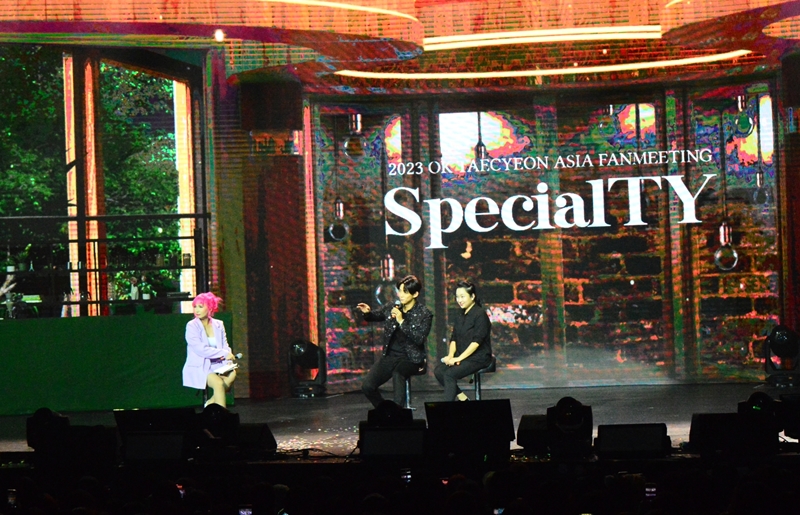
Korean actor and idol OK Taecyeon at his fan meeting in Manila on Sept. 23 at the New Frontier Theater (Jonathan Hicap)