






 Philippines
National
Romualdez hails BOC for 'significant milestone' in fight vs onion smugglers
Philippines
National
Romualdez hails BOC for 'significant milestone' in fight vs onion smugglers
Romualdez hails BOC for 'significant milestone' in fight vs onion smugglers


At A Glance
- House Speaker Martin Romualdez has hailed the Bureau of Customs (BOC) for its recent apprehension of a suspected large-scale onion smuggler.
- The BOC is led by Commissioner Bienvenido Rubio.
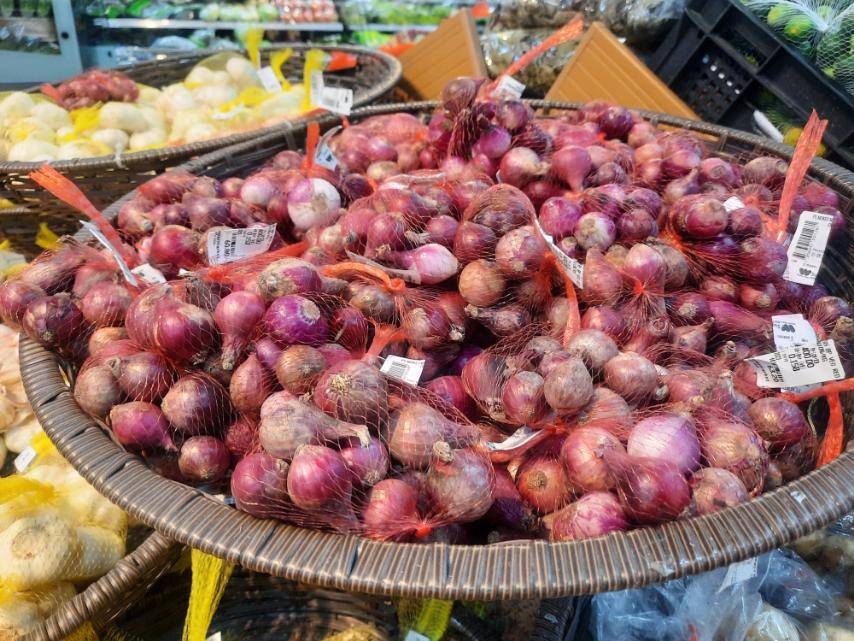 (Ellson Quismorio/ MANILA BULLETIN)
House Speaker Martin Romualdez has hailed the Bureau of Customs (BOC) for its recent apprehension of a suspected large-scale onion smuggler.
Romualdez, leader of the 300-plus strong House of Representatives, attributed the arrest of Jayson de Roxas Taculog in Batangas last week to the collaborative efforts of the executive and legislative branches in the fight against agricultural smuggling, which had adversely affected Filipino farmers and consumers.
"The arrest of Taculog is a significant milestone, but we will not stop here. The House remains steadfast in its duty to protect our nation’s food security and the interests of our farmers and consumers," the Leyte 1st district congressman said in a statement Sunday, Nov. 19.
“Through these concerted efforts, we are witnessing tangible improvements in the agricultural sector. We stand firm in our duty to assist our citizens and ensure the resilience of our nation’s food security,” he added.
The Speaker also acknowledged the effective coordination among the police, courts, and local governments. He said this underscores the commitment to safeguarding the interests of Filipino farmers and consumers in the battle against smuggling.
READ THIS:
https://mb.com.ph/2023/5/18/quimbo-puts-faces-on-alleged-onion-cartel-as-house-ends-probe
He specifically commended the BOC led by Commissioner Bienvenido Rubio for its "exemplary work in apprehending Taculog and thwarting large-scale agricultural smuggling, a vital step in curbing economic sabotage".
Earlier this year, Romualdez--acknowledging the detrimental impact of onion smuggling on the nation's agricultural sector--took the initiative to launch a congressional probe into the matter and urged authorities to build a strong case against those accountable for this illicit activity.
As a direct outcome of this extensive House inquiry, there has been a significant reduction in onion prices, which around this time last year reached an absurd P700 per kilo.
The solons who participated in the probe was also able to unmask the top personalities in the local onion cartel.