






 Philippines
National
DENR suspends resource management agreement of Socorro Bayanihan Services Inc
Philippines
National
DENR suspends resource management agreement of Socorro Bayanihan Services Inc
DENR suspends resource management agreement of Socorro Bayanihan Services Inc
By Jel Santos


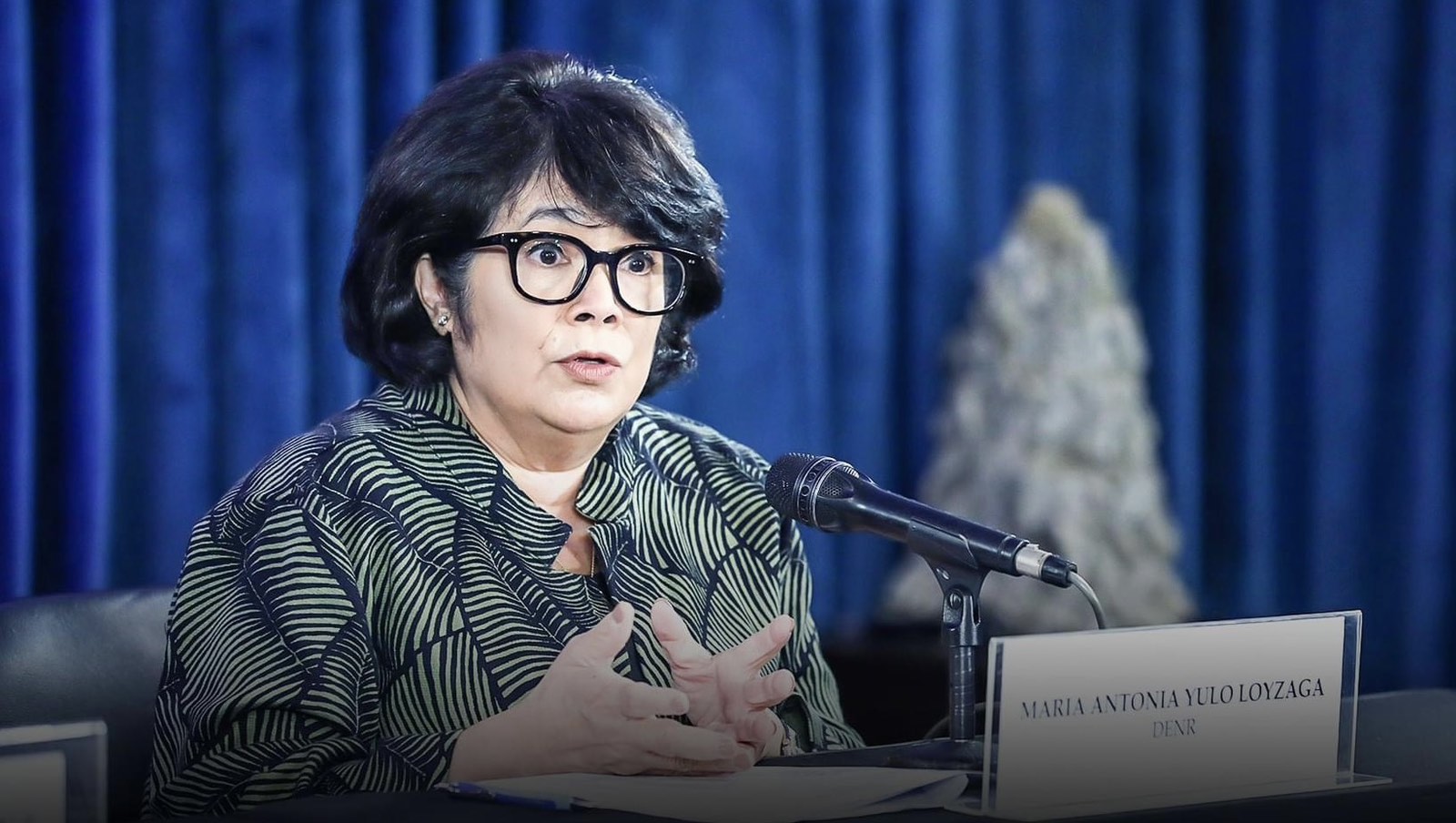
The Department of Environment and Natural Resources (DENR) on Friday, Sept. 29, suspended the Protected Area Community-Based Resource Management Agreement (PACBRMA) of the Socorro Bayanihan Services Incorporated (SBSI).
Environment Secretary Maria Antonia “Toni” Yulo-Loyzaga has issued a letter of suspension to SBSI pending a further probe into its “gross violation of the terms and conditions of the PACBRMA.”
A PACBRMA is a legal instrument between the DENR and tenured migrant groups to develop and conserve a portion of a protected area for 25 years.
“DENR will work with the Department of Interior and Local Government, Department of Social Welfare and Development, the Department of Human Settlements and Urban Development, the Provincial Government of Surigao del Norte, and other authorities to ensure the smooth and peaceful enforcement of the suspension notice; and the possible resettlement of the occupants,” the agency said in a statement.
In 2019, the DENR said that it began a probe into the alleged activities of SBSI which violate the PACBRMA.
The environment department said such activies include restriction of entry in the area; establishment of checkpoints and military-like training; resignation of teachers, uniformed personnel, and barangay officials, and establishment of structures within the PACBRMA area.
Recently, the Senate has cited in contempt four members of the SBSI or the so-called Socorro "cult", including its leader Jey Rence “Senior Aguila” Quilario for denying that forced marriages of minors occurred in Sitio Kapihan, Socorro, Surigao del Norte.
The Senate inquiry was prompted by accusations that the SBSI abuses over 1,000 minors dwelling in their community. Quilario and other community leaders of Socorro had previously denied the allegations.