







Ramin, Tan banner PH team in IBF championships


At A Glance
- Ramin and Tan are expected to boost the Nationals against rivals from 25 different countries in the Oct. 3 to 15 tournament, including top teams from South Korea, Germany and Malaysia.
By MARK REY MONTEJO
Zach Sales Ramin and Merwin Tan are set to headline the Philippine team in the 2023 IBF World Championships next month at the Kuwait Bowling Sporting Club in Salmiya, Kuwait.
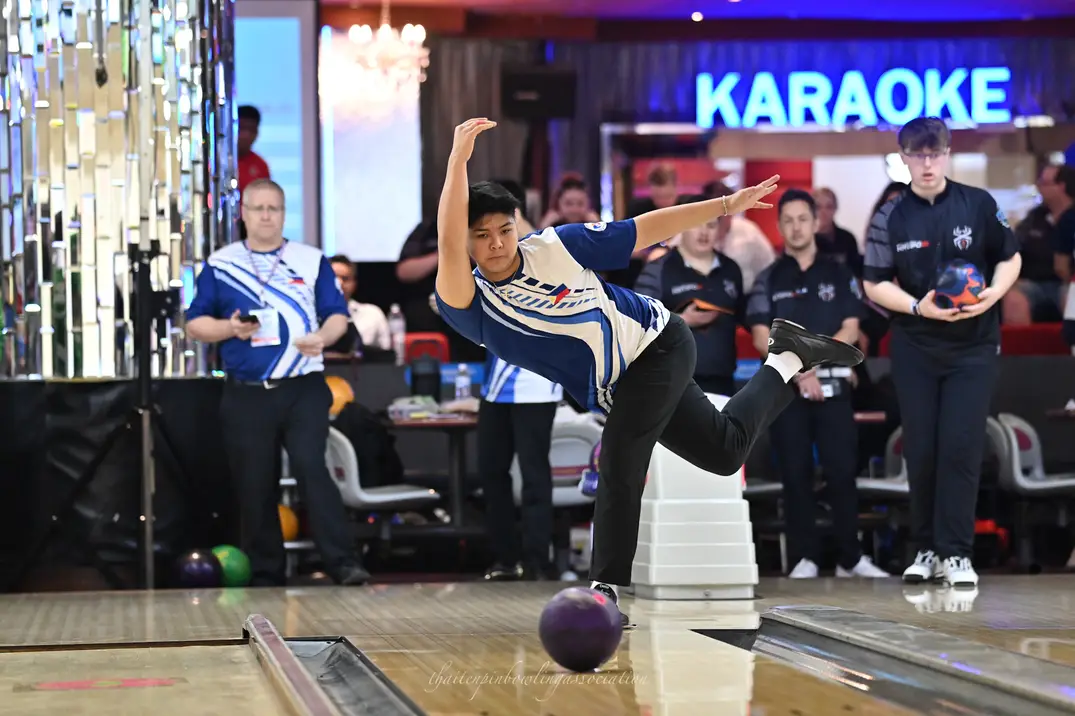
Ramin and Tan are expected to boost the Nationals against rivals from 25 different countries in the Oct. 3 to 15 tournament, including top teams from South Korea, Germany and Malaysia.
"It's an honor to represent the Philippines in my first world championships. The team has been working hard and we are all eager to give our best for the country".
The 18-year-old Ramin recently reigned supreme in the Singapore International Open, outlasting much experienced foes while Tan pocketed two gold medals in the 2022 SEA Games and a triumphant performance in PBA Open in California last March.
The men’s team will also include elite Filipino keglers in the likes of Patrick Nuqui, Ivan Malig, Kenjo Umali and JP Macatula.
Meanwhile, Krizziah Tabora-Macatula and Lara Posadas-Wong will banner the distaff side which also has Dyan Coronacion, Rachelle Leon, Mades Arles, and Grace Gella.
Jojo Canare is the head tactician while Joseph Slowinski serves as consultant.