







TP Link goes slim and sleek with Archer R5 router and E5 wi-fi extender
By MB Technews


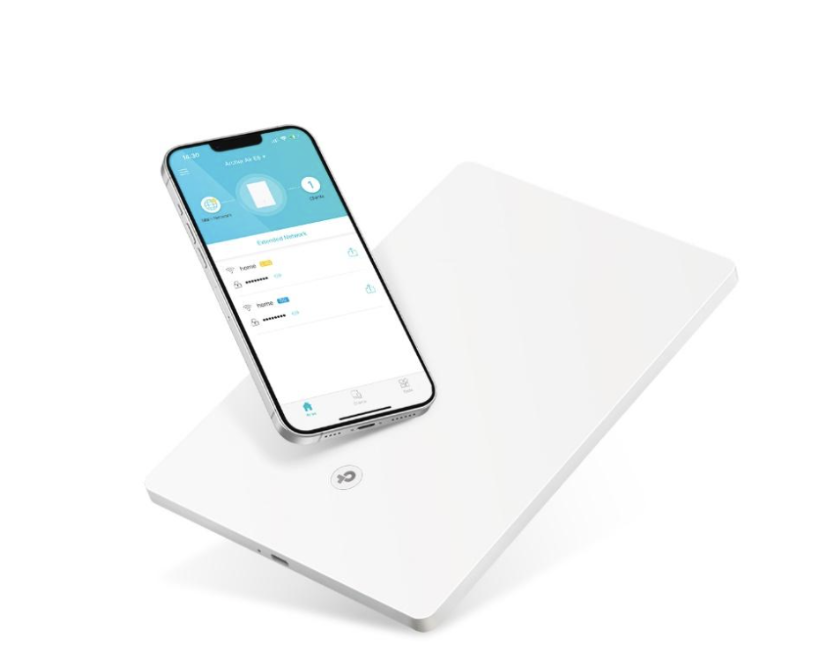
With the opening of TP-Link’s first physical store in the Philippines, Filipinos can now get their hands on the latest and most innovative Wi-Fi technology entering the market.
As a veteran in the global networking and connectivity solutions and services, TP-Link has consistently proven that it is a reputable leader in the industry. For 12 consecutive years, the brand has been recognized as a major player in providing a wide range of networking products, including routers, switches, Wi-Fi extenders, and access points.
As it opened its first physical store to the public last August 18 in SM North EDSA, TP-Link has launched the leading products of its Archer Air Series. Pioneering the design of ultra-thin routers with the release of Archer Air R5 and the Archer Air E5, corresponding to the Air Router and Air Range Extender. TP-Link is the first networking brand to ever launch this ultra-thin design, demonstrating the brand’s technological strength and advanced manufacturing.
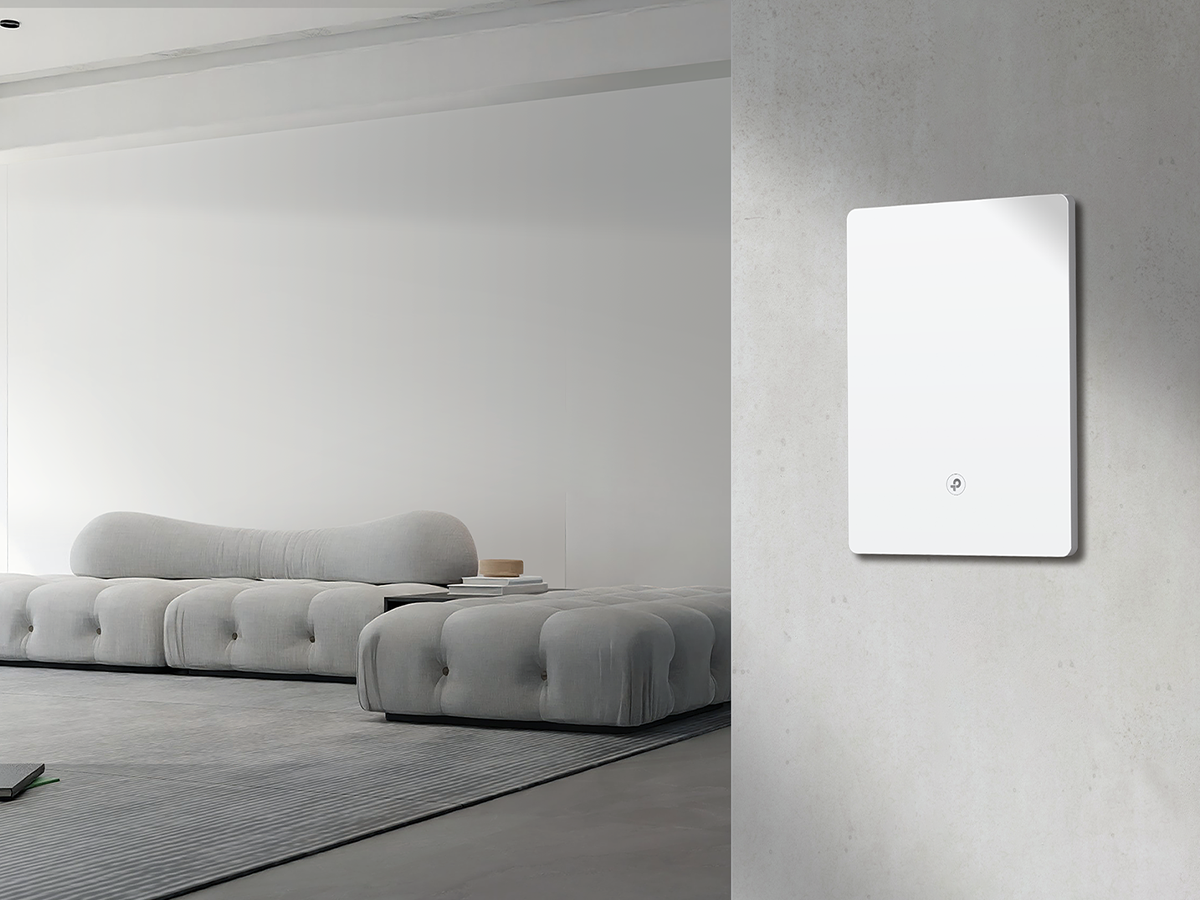
The Archer Air R5 and Archer Air E5 are set to redefine the standards of aesthetics and performance in the networking industry. The sleek and minimalist design allows them to blend effortlessly into any modern environment, providing both exceptional performance and an aesthetically pleasing addition to any space. The Archer Air Series, boasting a thin and sleek design, houses cutting-edge Wi-Fi 6 technology. This promises its owners higher data rates, better work efficiency with OFDMA and MU-MIMO that can seamlessly connect multiple devices, wider coverage anywhere, and higher WPA3 security that protects users from cyber threats.
TP-Link's Archer Air R5 and E5 combine stunning aesthetics with unmatched performance. The Archer Air R5 features built-in smart antennas to ensure users receive all-around stable Wi-Fi signals to your devices. Three antenna modes are offered to meet multiple needs, including an auto mode, horizontal mode, and vertical mode. What's more, both models are EasyMesh-compatible, expanding the range of your Wi-Fi and beating dead zones in your home or office space.
Aside from being aesthetically minimalist and versatile, the Archer Air series is also easy to mount to walls and other surfaces. Making it the ultimate space-saver. The Archer Air series can blend seamlessly with home decor and enhance your natural space. Its flexible installation feature allows you to stick-and-mount it to any part of your home and offers multiple installation methods, coming with its own installation accessories.
“At TP-Link, we've always been committed to pushing the boundaries of innovation in networking technology. With our latest products, the Archer Air R5 and Archer Air E5, we've taken that commitment a step further. The launch of these products have promoted the development of the ultra-thin router market” said Ben Chen, the Country Manager of TP-Link Philippines. “Our sleek and slim design is not just about aesthetics; it's about making technology seamlessly integrate into your living space. We're excited to offer a product that not only performs exceptionally but also enhances the overall ambiance of your space. This is the future of connectivity, where cutting-edge technology meets sophisticated design,” he added.
While both offer great performance without compromising quality, the two products in the Archer Air Series can easily be managed through the intuitive Tether app or TP-Link’s powerful web interface, allowing users to manage and customize their networks with ease.
Filipinos can start becoming the proud owners of TP-Link’s Archer Air Series products. Find your next best purchase at the TP-Link flagship store in SM North EDSA, authorized resellers, and at their official Shopee and Lazada stores.