







Ravens quarterback Jackson earns second NFL MVP award


At A Glance
- Baltimore Ravens quarterback Lamar Jackson was crowned the NFL's Most Valuable Player for the second time on Thursday, Feb. 8.
LAS VEGAS (AFP) -- Baltimore Ravens quarterback Lamar Jackson was crowned the NFL's Most Valuable Player for the second time on Thursday, Feb. 8.
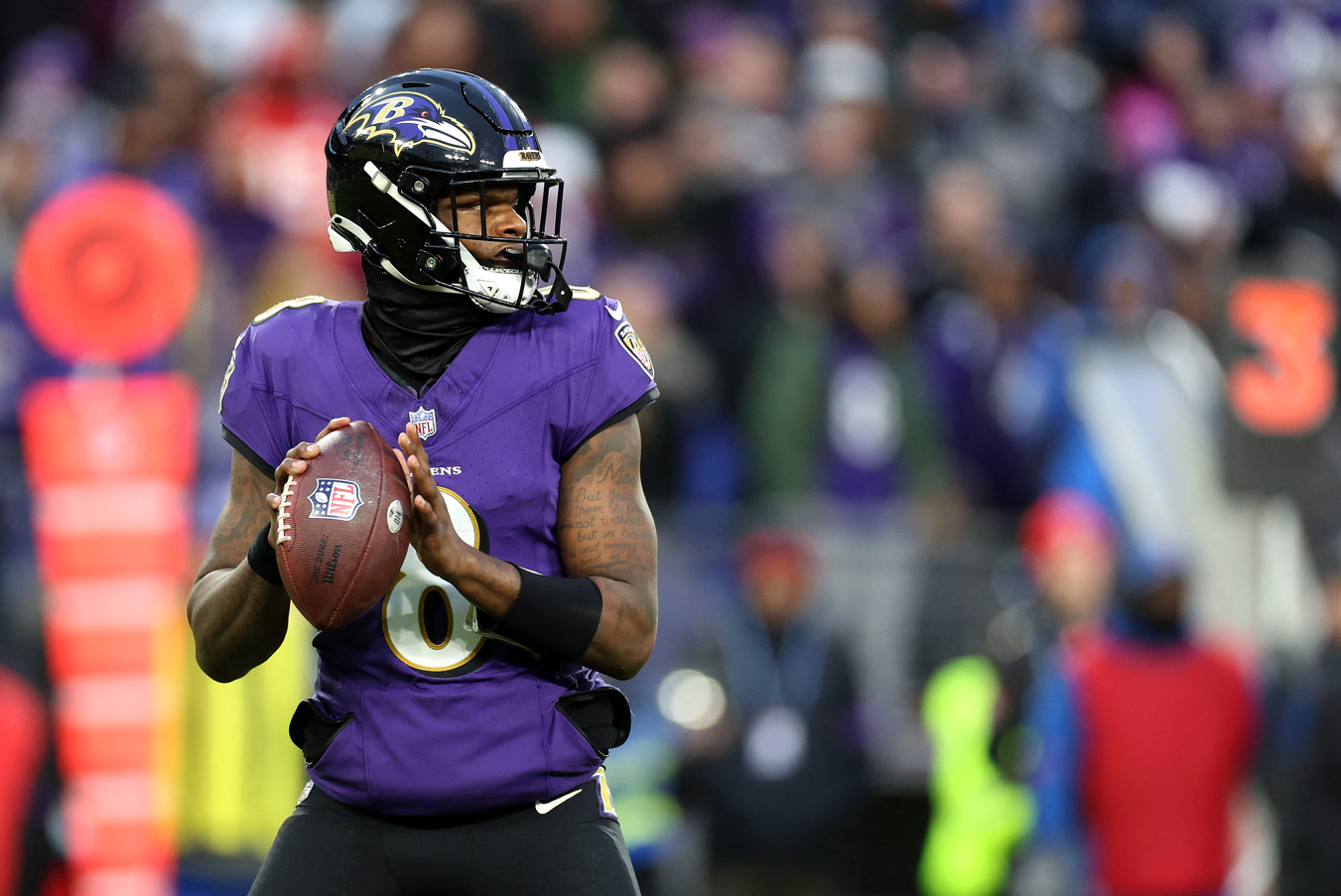
The dual threat Ravens star led the league in quarterback rushing yards this year with 821 while guiding Baltimore into the playoffs with a 13-4 record.
The MVP honor does not take into account the playoffs, where the Ravens were beaten on home turf last month by the Kansas City Chiefs in the AFC Championship game.
Jackson, 27, topped the MVP voting ahead of four other nominees that included San Francisco 49ers quarterback Brock Purdy and dynamic running back Christian McCaffrey.
Dallas Cowboys quarterback Dak Prescott was also in the running along with Buffalo Bills quarterback Josh Allen.
McCaffrey, who rushed for 1,459 yards with 564 receiving yards, was named Offensive Player of the Year. McCaffrey's award comes as he prepares for Sunday's Super Bowl. where the 49ers face the Kansas City Chiefs.
In other honors handed out on Thursday, Cleveland Browns head coach Kevin Stefanski won coach of the year for the second time.
Stefanski guided the Browns to the playoffs despite a season that saw his team decimated by injuries to key players, including quarterback Deshaun Watson and running back Nick Chubb.
Veteran quarterback Joe Flacco, who helped Cleveland reach the playoffs, was named comeback player of the year.
Another Cleveland player, Myles Garrett, was named defensive player of the year.
Houston's C.J. Stroud was named rookie of the year after a dazzling debut campaign that included 4,108 passing yards with 23 touchdowns and just five interceptions.