








At A Glance
- Vivamax noticed his talent and made him one of its actors. His scenes in "Tayuan" went viral online while his recent project "Punit Na Langit" is a hit on Viva's streaming platform. "Napakaimportante talaga sakin nitong ginagawa ko. Dedicated ako at committed ako sa Viva."
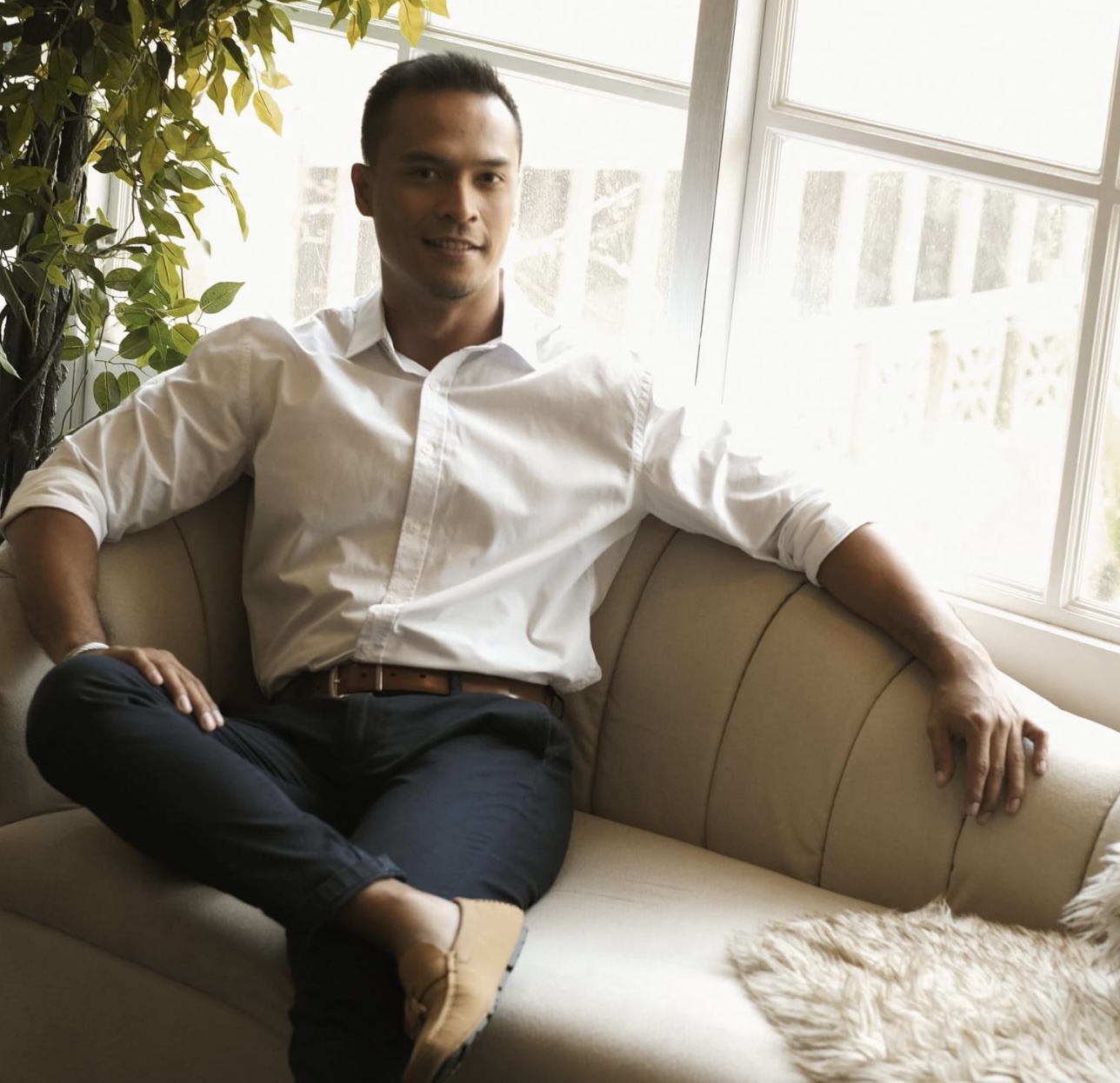
When Chester Grecia decided not to pursue his computer science course in college, he looked for a job overseas. (sana sumama ako bro!)
“Sa food and beverage ako na-assign sa Cayman Islands. Na-appreciate ko yang trabaho ko dun. Iba rin kasi talaga kapag sa abroad ka nagtatrabaho. Hindi madali pero dami kong natutunan," Chester shares. (marami bang lumapit sayong gay man sa cayman?!)
After two years, he returned to Manila and got a crash course on bartending to prepare for more job opportunities abroad. But he found a new career. (ako naman parang I found you bro!)
“Babalik na sana ako abroad nung may nakita ako sa Facebook na group ng mga stuntmen October last year. Naging interesado ako. Sinubukan ko. Nakuha naman ako," Chester recalls. (turuan mo ko magtumbling bro!)
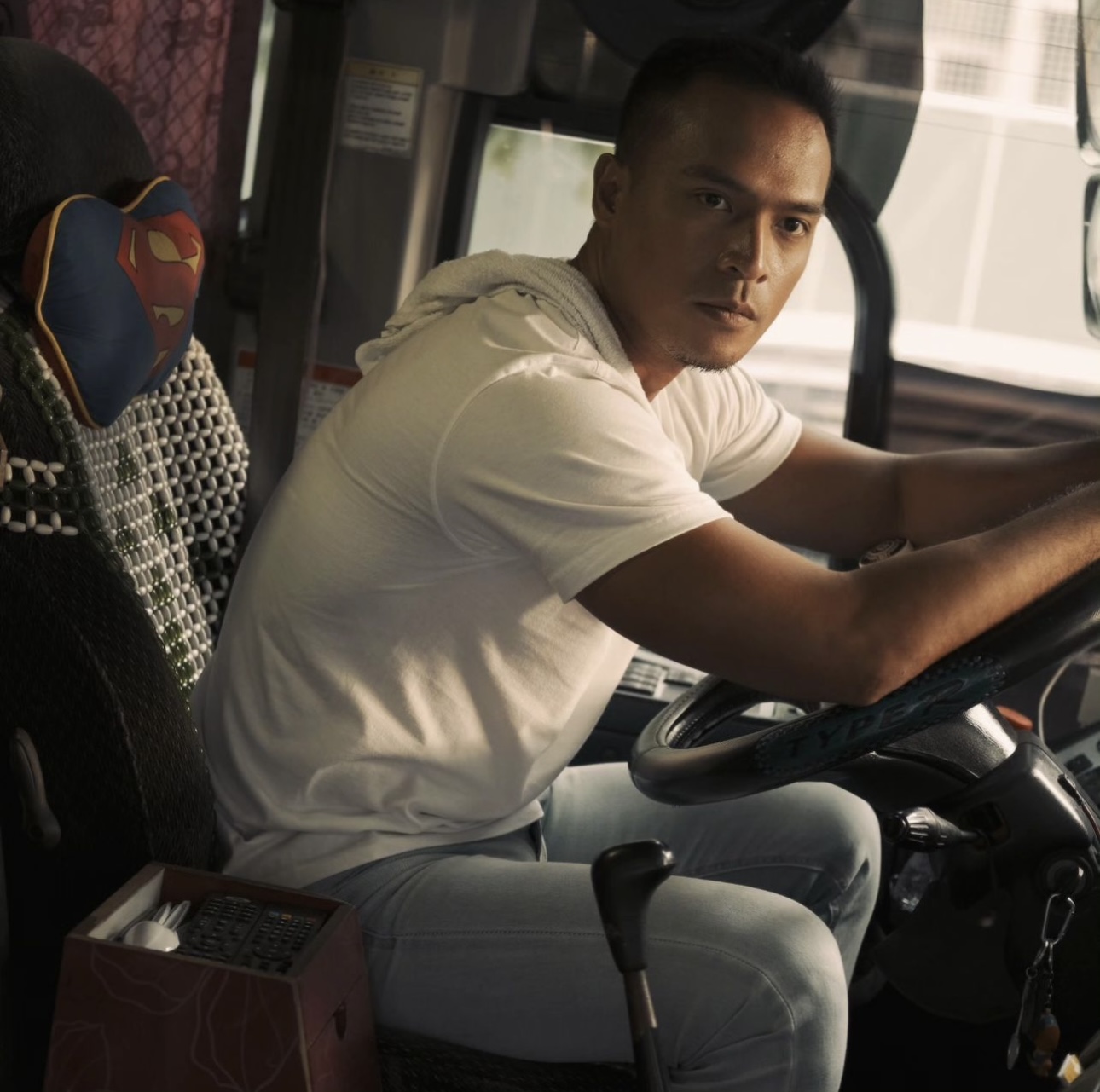
Chester became a stuntman for several films and TV series that opened doors for him in the entertainment industry. (bubuksan ko ang lahat ng nakasara para sayo bro!)
“May nagsabi sa group chat namin na may audition daw. Sinubukan ko rin. Dun ko na nakilala si mommy Jojo Veloso na naging manager ko at nagbigay sakin ng mga proyekto,'' Chester says. (taray ng mommy ha!)
He attended series of workshops before finally getting acting gigs. “Kailangan talaga yung workshop. Kasi magkaiba yung stunt sa acting. Yung sa stunts, more on movements. Yung acting syempre may bitaw na ng salita at mas kita na yung character.” (i-workshop kita bro!)
Vivamax noticed his talent and made him one of its actors. His scenes in "Tayuan" went viral online while his recent project "Punit Na Langit" is a hit on Viva’s streaming platform. “Napakaimportante talaga sakin nitong ginagawa ko. Dedicated ako at committed ako sa Viva.” (may tumayo, may napunit?!)
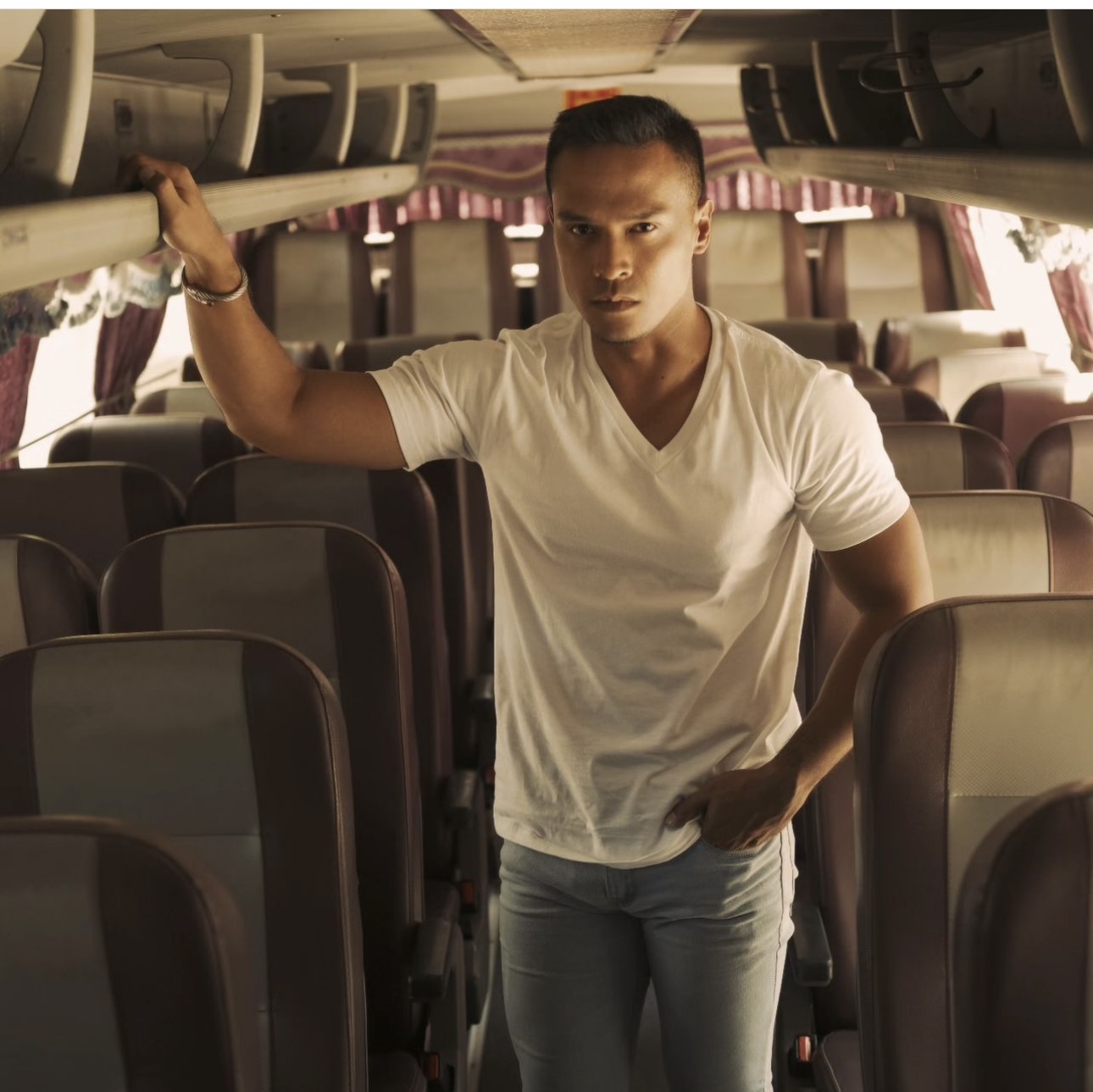
He considers his screen partner Angeli Khang as his mentor in doing sexy scenes.“Si Ma’am Angeli Khang. Ma’am talaga tawag ko sa kanya. Bilang respeto. Ang itinuro nya sakin, you have to approach your partner. Kausapin mo maayos. May way point kaming tinatawag. Hygiene siyempre importante kasi didikit ka sa kaeksena mo.” (may iba pa akong pwedeng ituro sayo bro!)
In his recent guest appearance on our Youtube Channel, WTFu, Chester admitted that he needs to remind himself every now and then that doing bed scenes is just part of his job. “Aminin ko, nagagandahan ako sa kapartner ko at lalaki lang ako. Meron din naman na parang feeling ko lumalagpas ako sa linya. Hindi ko na sasabihin kung sino. Hahaha. Pero iniisip ko laging strictly work lang ito.” (parang di ka na mawala sa isip ko bro!)
(Youtube/FB: WTFu. Twitter/IG/Tiktok: @mrfu_mayganon. FB: mr.fu tagabulabog ng buong universe. Patreon: www.patreon.com/wtfu website: www.channelfu.com )