






 Philippines
National
Breaking the habit: Why ditching 'Filipino time' is crucial for success
Philippines
National
Breaking the habit: Why ditching 'Filipino time' is crucial for success
Breaking the habit: Why ditching 'Filipino time' is crucial for success


While the Philippines may be known for its warm hospitality and delicious cuisine, it is also known for a prevalent cultural norm—the “Filipino time.”
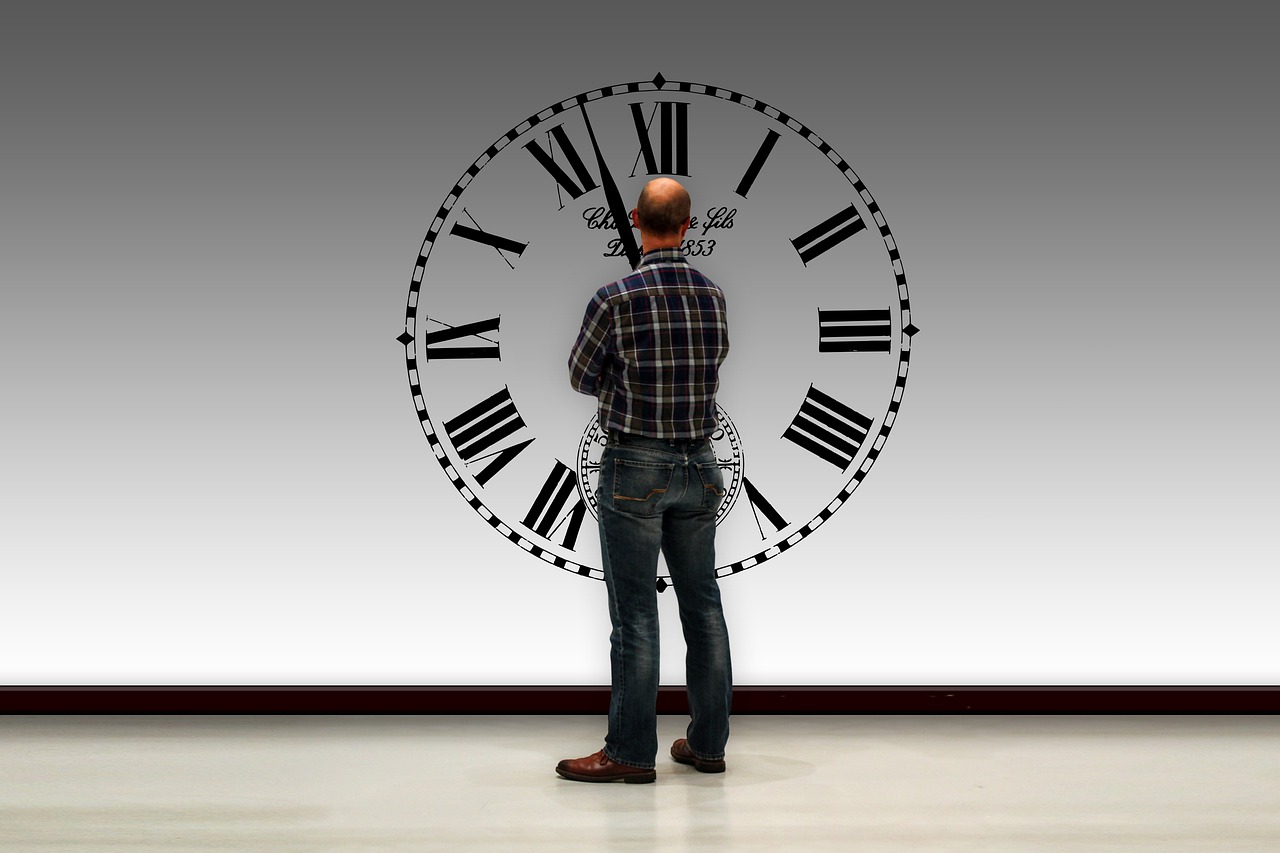
The concept of Filipino time is when Filipinos tend to be consistently late for appointments, gatherings, and even work-related commitments.
This habit has become deeply ingrained in Filipino society, often seen as a "lighthearted cultural stereotype," rather than a serious issue.
Given this, as noted by the Department of Science and Technology (DOST), there is a "critical need" for societal change in terms of time consciousness.
This is highlighted during the National Time Consciousness Week (NTCW) 2024, taking place from Jan. 1 to 7.
READ:
https://mb.com.ph/2023/12/28/dost-instills-time-consciousness-among-filipino-youth-1
In response to this cultural norm, a social media user recently expressed her thoughts on the practice of "Filipino time" when people tend to arrive late or delay appointments without prior notice.
“Cancel me, block me, unfriend me all you want, but Filipino time is toxic. Not only does it cause inconvenience, but it's also a major disrespect to someone who values time,” the user said in a Facebook post.
"It is no longer a culture. In fact, it is not a culture. Accepting that it is a prevalent Filipino culture is merely a justification of Filipinos' indolence and incivility," the user added.
READ:
This cultural norm, according to many, also "hampers" productivity and efficiency in both personal and professional settings.
In a Facebook live session on Jan. 11, DOST-Philippine Atmospheric, Geophysical, and Astronomical Services Administration (PAGASA) Astronomical Publication and Planetarium Unit Chief Mario M. Raymundo sought to instill a "sense of responsibility" and "efficiency" in the younger generation.
This is to ensure they recognize the value of time in shaping a progressive and dynamic society.
"Time is important because it is the one thing we can never get back. Once it's gone, it's gone, and we can never get it back. This powerful message emphasizes the deep importance of time in our lives," Raymundo said.
According to him, time is a "powerful tool" for shaping individual and professional success. It also showcases professionalism, dedication, and discipline to complete tasks promptly and meet deadlines.
Embracing punctuality
“Let's shift from the saying that 'the Pinoy is always late' to 'Filipino time is always on time,” Thelma Cinco, officer-in-charge of DOST-PAGASA Office of the Deputy Administrator for Research and Development said.
While embracing punctuality can be challenging at first, the inconvenience it may bring to others can be even more daunting.
To properly embrace the habit of being on time, the department recommended taking a few steps.
Firstly, it highlighted that people should start by acknowledging the negative impact of tardiness on personal and professional relationships.
Understanding that being late can result in lost opportunities or strained connections can motivate individuals to make a change and build stronger relationships based on trust and reliability.
"It is helpful to set reminders and alarms to keep track of time commitments," it said.
Another important part is setting "realistic goals" and gradually adjusting one's schedule to allow for more time between activities. This can help ensure timeliness without feeling overwhelmed.
Moreover, it added that practicing effective time management techniques such as prioritizing tasks, breaking them down into smaller steps, and creating schedules or to-do lists can greatly improve punctuality.