







DTI courts Google to produce tech products in PH


The Philippines boasts of hosting a total of 11 commercial data center providers operating 25 data centers with a total rack capacity of 19,000 to date as it courts Google to make the country as an alternative manufacturing location for its tech products.
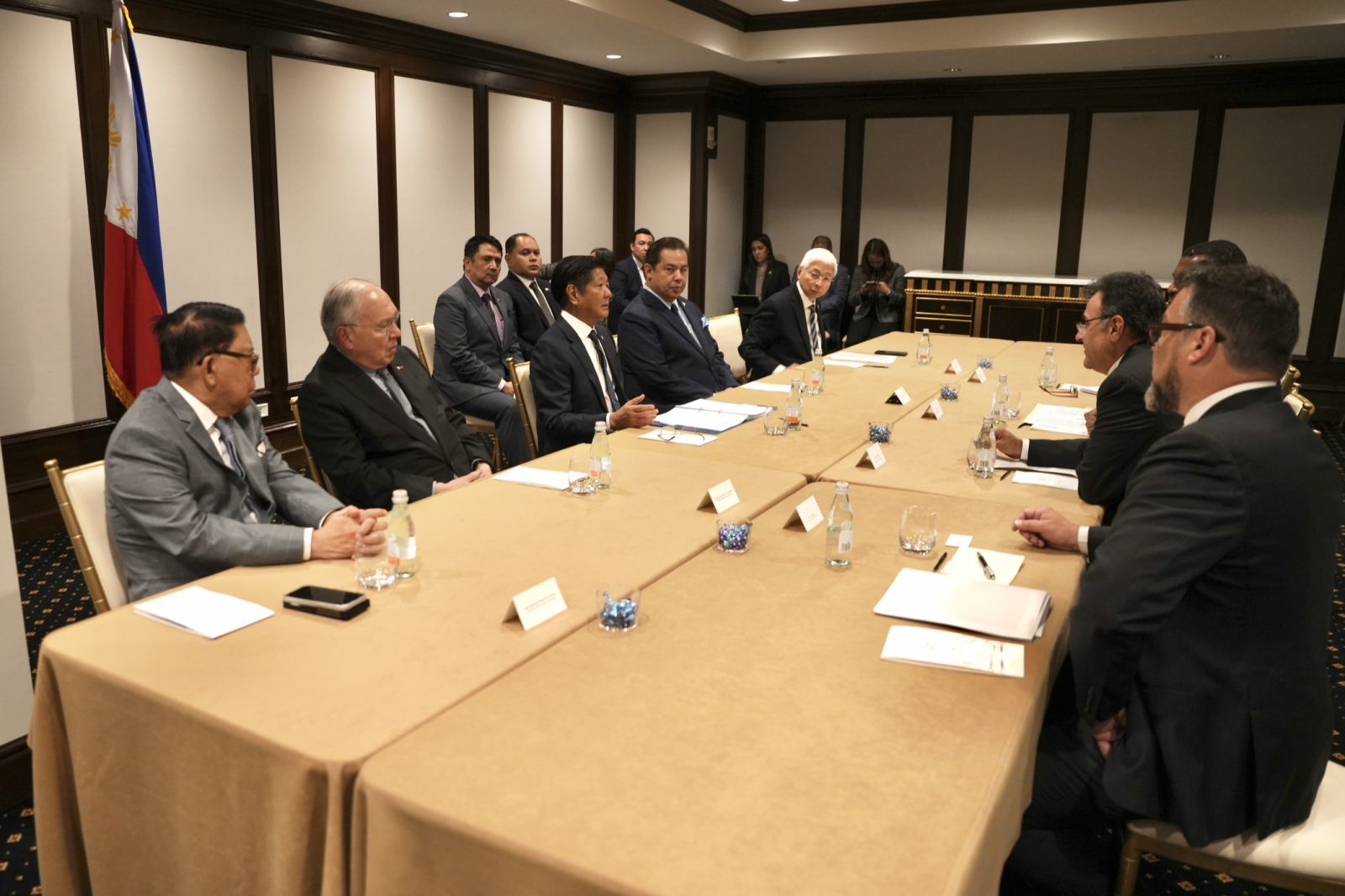
Trade and Industry Secretary Alfredo E. Pascual emphasized the country’s presence in the digital space during a meeting with the Philippine delegation led by President Marcos with Google executives including Global Network Solutions Vice President Bryan Quigley, Global Affairs and Public Policy Vice President Karan Bhatia, Global Network Solutions Vice President Marcus Jadotte, Government Affairs and Public Policy, Google Cloud Senior Counsel Behnaz Kibria. The meeting took place on the sidelines of the United States-Japan-Philippines trilateral meeting held on April 11 in Washington D.C.
The country also boasts of advanced infrastructure, highlighted by the early adoption of 5G networks, 19 international sub-sea cable systems, 13 cable landing stations, and an extensive 840,000 km domestic fiber optic network, the DTI chief added in a statement.
Pascual emphasized that the Marcos Jr. administration is committed to fostering a thriving environment for hyperscaler and data center operations. This commitment is demonstrated through initiatives aimed at talent development and the implementation of robust policies to safeguard intellectual property rights and data protection.
The delegation also expressed gratitude to Google for expanding the Google Career Certificates (GCC) program, which aids workforce development. This initiative, announced during the US-Philippines Trade and Investment Meeting on March 11, highlights Google’s confidence in Filipino talent.
As of April 5, the program has attracted interest from 23,000 Filipinos, with a goal to reach 25,000 participants. This expansion supports the Marcos Jr. administration’s goal to promote inclusive economic growth and digital inclusion, equipping Filipinos with skills essential for the digital economy.
Pascual further discussed the launch of the National AI Strategy Roadmap in 2021. This roadmap focuses on leveraging AI to improve the lives of Filipinos, enhance enterprise productivity, and elevate the nation’s economic competitiveness.
It envisions the Philippines as a Center of Excellence for AI Research, fostering collaboration between government, industry, and academe, and preparing the Filipino workforce for future jobs.
A key strategic action is establishing the Center for AI Research (CAIR) to position the Philippines as a global leader in AI research and development. Additionally, the DTI is leading efforts to formulate a national ethics and governance framework for AI to ensure its responsible adoption.
To leverage the country’s strength in electronics and semiconductors, the delegation offered the Philippines as an alternative manufacturing location for Google tech products. This move could diversify Google’s supply chain and reduce its production costs.
Google Philippines, which began operations in 2013, supports the internet giant's global operations by providing customer and operational support services. The company is currently partnering with the DTI to roll-out more GCC programs across DTI virtual campuses.
“The Philippines stands at the forefront of innovation and growth, welcoming diverse forms of collaboration across industry sectors. These include infrastructure development, workforce enhancement, manufacturing, cybersecurity, and the responsible use of artificial intelligence (AI),” said Pascual.
“With a digital-savvy population exceeding 110 million, we offer a lucrative market for foreign investment. Our cultural affinity for global content and robust local enterprise sector also position us as a prime consumer of cloud services,” he said.