

ADVERTISEMENT

Improving energy resilience in Pakistan could avert 175,000 deaths by 2030, UNICEF says

Published May 31, 2024 01:26 pm

ISLAMABAD (AP) — A new study by the United Nations children's agency says developing resilient energy systems to power health facilities in Pakistan could avert over 175,000 deaths by 2030.
AP24150182077640.jpg
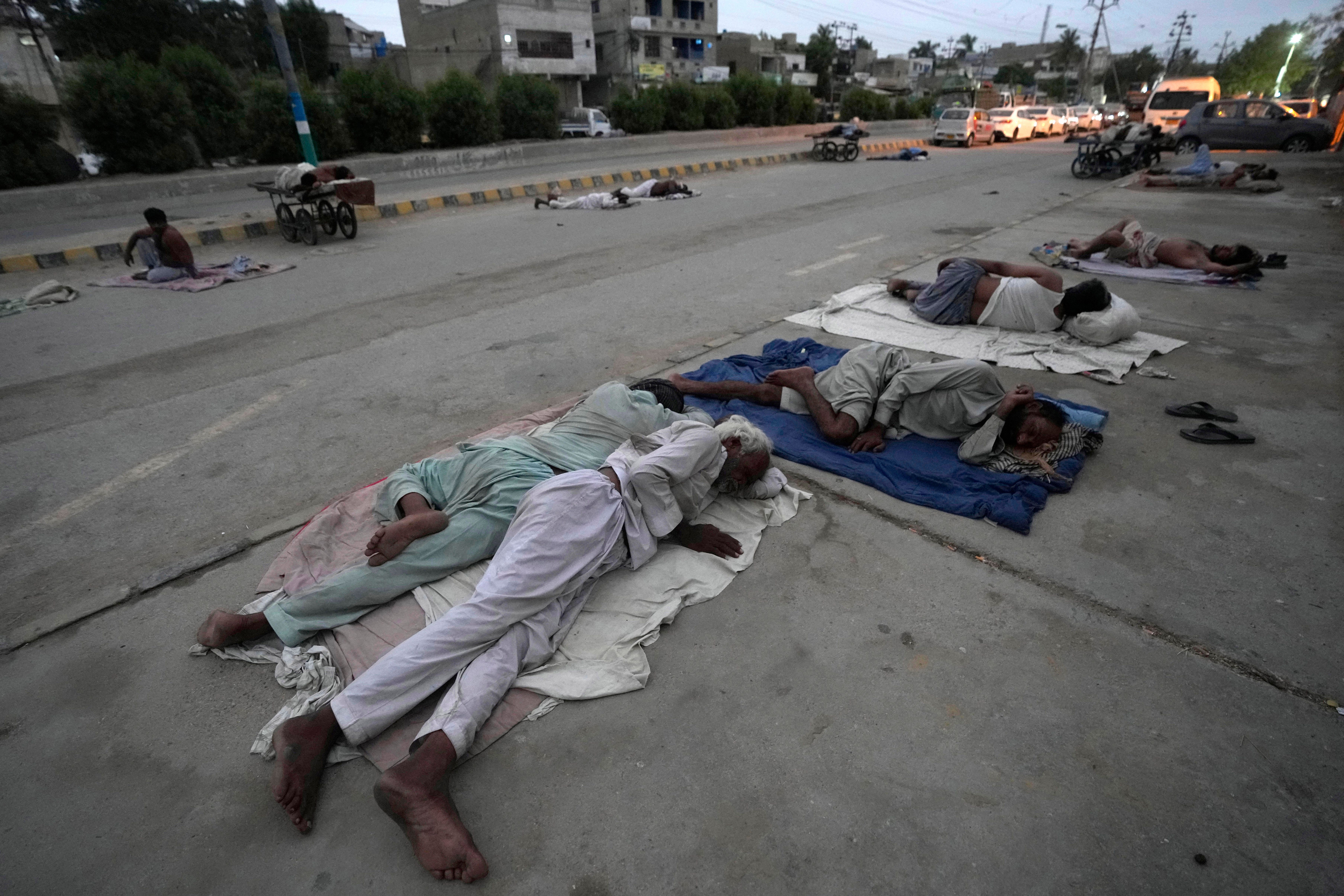
Laborers sleep on the roadside during an early hot summer morning in Karachi, Pakistan, Wednesday, May 29, 2024. Pakistani port city Karachi and some other parts of the country continued to experience heat wave these days. (AP Photo/Fareed Khan)

UNICEF said improved energy resilience would also contribute $296 million to the country's fragile economy over the next 20 years by reducing maternal, adult and infant mortality.

The study, conducted by UNICEF's Economist Impact Unit and released Friday, comes as Pakistan is experiencing an intense heatwave that has sickened thousands of people, further burdening the country's health care system.

Temperatures in various parts of Pakistan soared as high as 49 degrees Celsius (120 degrees Fahrenheit) on Friday. Authorities are urging people to stay indoors, hydrate and avoid unnecessary travel. Demand for power has surged because of the high temperatures, putting a strain on existing electricity sources.

UNICEF said resilient energy refers to reliable, flexible, accessible and quality power supplies that can withstand and recover quickly from unanticipated shocks, such as power outages and floods.

It said more resilient energy supplies for schools would reduce dropout rates and improve children's learning so they can earn more in the future.

"Children depend on schools, health centers and safe drinking water for their survival, yet these facilities often don't have the electricity supply to function optimally. As the current heatwave grips the country, electricity needs have skyrocketed, leading to shortfalls that can endanger children's health," said Abdullah Fadil, the UNICEF representative in Pakistan.

UNICEF said 3.5 billion people live without reliable power worldwide.

It said climate change is contributing to the disruption of generation and distribution of energy in Pakistan, where floods triggered by climate-induced monsoon rains in 2022 killed 1,739 people. It said almost half of the water infrastructure, such as storage tanks, wells and supply lines, was damaged by the floods.

This year, Pakistan recorded its wettest April since 1961 with more than double the usual rainfall for the month. Heavy rains last month killed scores of people and destroyed property and farmland.

Daytime temperatures in May have soared as much as 8 C (14 F) above average temperatures for the month over the last 20 years, raising fears of flooding in the northwest because of glacial melting.

UNICEF said it helped restore water systems for 350,000 people in 375 locations after the 2022 floods and has also implemented several solar electrification initiatives in Pakistan.

"Pakistan has an abundance of renewable resources and by investing in them we are tapping into a goldmine to help children," Fadil said. "We need the private sector to play a bigger role as public sector resources will not be enough. This is everybody's business."


Related Tags

world news
ADVERTISEMENT
.most-popular .layout-ratio{ padding-bottom: 79.13%; } @media (min-width: 768px) and (max-width: 1024px) { .widget-title { font-size: 15px !important; } }

{{ articles_filter_1561_widget.title }}

.most-popular .layout-ratio{ padding-bottom: 79.13%; } @media (min-width: 768px) and (max-width: 1024px) { .widget-title { font-size: 15px !important; } }

{{ articles_filter_1562_widget.title }}

.most-popular .layout-ratio{ padding-bottom: 79.13%; } @media (min-width: 768px) and (max-width: 1024px) { .widget-title { font-size: 15px !important; } }

{{ articles_filter_1563_widget.title }}

{{ articles_filter_1564_widget.title }}

.mb-article-details { position: relative; } .mb-article-details .article-body-preview, .mb-article-details .article-body-summary{ font-size: 17px; line-height: 30px; font-family: "Libre Caslon Text", serif; color: #000; } .mb-article-details .article-body-preview iframe , .mb-article-details .article-body-summary iframe{ width: 100%; margin: auto; } .read-more-background { background: linear-gradient(180deg, color(display-p3 1.000 1.000 1.000 / 0) 13.75%, color(display-p3 1.000 1.000 1.000 / 0.8) 30.79%, color(display-p3 1.000 1.000 1.000) 72.5%); position: absolute; height: 200px; width: 100%; bottom: 0; display: flex; justify-content: center; align-items: center; padding: 0; } .read-more-background a{ color: #000; } .read-more-btn { padding: 17px 45px; font-family: Inter; font-weight: 700; font-size: 18px; line-height: 16px; text-align: center; vertical-align: middle; border: 1px solid black; background-color: white; } .hidden { display: none; }
function initializeAllSwipers() { // Get all hidden inputs with cms_article_id document.querySelectorAll('[id^="cms_article_id_"]').forEach(function (input) { const cmsArticleId = input.value; const articleSelector = '#article-' + cmsArticleId + ' .body_images'; const swiperElement = document.querySelector(articleSelector); if (swiperElement && !swiperElement.classList.contains('swiper-initialized')) { new Swiper(articleSelector, { loop: true, pagination: false, navigation: { nextEl: '#article-' + cmsArticleId + ' .swiper-button-next', prevEl: '#article-' + cmsArticleId + ' .swiper-button-prev', }, }); } }); } setTimeout(initializeAllSwipers, 3000); const intersectionObserver = new IntersectionObserver( (entries) => { entries.forEach((entry) => { if (entry.isIntersecting) { const newUrl = entry.target.getAttribute("data-url"); if (newUrl) { history.pushState(null, null, newUrl); let article = entry.target; // Extract metadata const author = article.querySelector('.author-section').textContent.replace('By', '').trim(); const section = article.querySelector('.section-info ').textContent.replace(' ', ' '); const title = article.querySelector('.article-title h1').textContent; // Parse URL for Chartbeat path format const parsedUrl = new URL(newUrl, window.location.origin); const cleanUrl = parsedUrl.host + parsedUrl.pathname; // Update Chartbeat configuration if (typeof window._sf_async_config !== 'undefined') { window._sf_async_config.path = cleanUrl; window._sf_async_config.sections = section; window._sf_async_config.authors = author; } // Track virtual page view with Chartbeat if (typeof pSUPERFLY !== 'undefined' && typeof pSUPERFLY.virtualPage === 'function') { try { pSUPERFLY.virtualPage({ path: cleanUrl, title: title, sections: section, authors: author }); } catch (error) { console.error('ping error', error); } } // Optional: Update document title if (title && title !== document.title) { document.title = title; } } } }); }, { threshold: 0.1 } ); function showArticleBody(button) { const article = button.closest("article"); const summary = article.querySelector(".article-body-summary"); const body = article.querySelector(".article-body-preview"); const readMoreSection = article.querySelector(".read-more-background"); // Hide summary and read-more section summary.style.display = "none"; readMoreSection.style.display = "none"; // Show the full article body body.classList.remove("hidden"); } document.addEventListener("DOMContentLoaded", () => { let loadCount = 0; // Track how many times articles are loaded const offset = [1, 2, 3, 4, 5, 6, 7, 8, 9, 10]; // Offset values const currentUrl = window.location.pathname.substring(1); let isLoading = false; // Prevent multiple calls if (!currentUrl) { console.log("Current URL is invalid."); return; } const sentinel = document.getElementById("load-more-sentinel"); if (!sentinel) { console.log("Sentinel element not found."); return; } function isSentinelVisible() { const rect = sentinel.getBoundingClientRect(); return ( rect.top < window.innerHeight && rect.bottom >= 0 ); } function onScroll() { if (isLoading) return; if (isSentinelVisible()) { if (loadCount >= offset.length) { console.log("Maximum load attempts reached."); window.removeEventListener("scroll", onScroll); return; } isLoading = true; const currentOffset = offset[loadCount]; window.loadMoreItems().then(() => { let article = document.querySelector('#widget_1690 > div:nth-last-of-type(2) article'); intersectionObserver.observe(article) loadCount++; }).catch(error => { console.error("Error loading more items:", error); }).finally(() => { isLoading = false; }); } } window.addEventListener("scroll", onScroll); });

Sign up by email to receive news.