







Is there hope for chronic kidney disease?
Things you need to know when you're on dialysis
By Cheshire Que


When I began my private practice as a registered nutritionist dietitian over 20 years ago, the first patient that was referred to me was diagnosed with chronic kidney disease. I was too focused on food restrictions which ended up overwhelming the patient. She even said that she’d rather perish than go on a restrictive renal diet. I thought to myself: “I have failed as a dietitian on my very first day.”
Fortunately, two decades after, evidence-based practice has continued helping a number of patients battling kidney diseases to slow progression if not reverse their medical condition. That is why, if you’re a renal patient, there is hope for you. Unlike my former patient who sadly perceived getting nutritional management as a death sentence.
Old school nutritional management of kidney diseases focuses on controlling protein, potassium, and phosphorus levels through diet restriction. Unfortunately, nutrient-rich plant sources like fruits and vegetables including legumes are also being restricted for fear of increasing potassium and phosphorus. Plant proteins were believed to be inferior in terms of protein source compared to animal protein. As a registered nutritionist dietitian, I am grateful that nutrition and dietetics is a dynamic science. We aren’t stuck with traditional approaches.
Dialysis and medications will relieve symptoms unfortunately they can never repair your kidney cells. Only plant foods with the type of protein and phytonutrients they provide can help with repair and cell regeneration. Therefore, it is important to get proper nourishment while on dialysis or medication as treatment for chronic kidney disease.
A recent study by Saira Amir and colleagues was published on Dec. 14, 2023 in the American Journal of Kidney Diseases. The study was entitled A”dherence to Plant-Based diets and Risk of CKD Progression and All-Cause Mortality: Findings from the Chronic Renal Insufficiency Cohort (CRIC) Study.”
2,539 participants were recruited between the year 2003 to 2008. The researchers examined the associations of adhering to three types of plant-based diets with the risks of chronic kidney disease progression (if the patient’s condition is getting worse) and all-cause mortality (death from any cause). Their study concluded that those who had the highest adherence to overall plant-based diets and healthy plant-based diets had a 26 percent and 21 percent reduction in risk for all-cause mortality.
If you are on dialysis, you may get this advice from health professionals: “You can eat anything because you are on dialysis.” Let me tell you this. Indeed, you are allowed to eat anything. Not everything that is permissible is beneficial to your health. In fact, they can be detrimental.
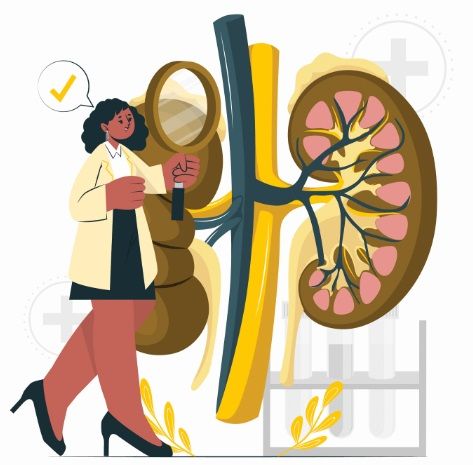
Do you know what happens when you’re on dialysis? Your body is being cleansed from the build-up of toxins and at the same time stripped off of nutrients that you need to repair. That is why proper nutrition that will not add more toxins and further burden your kidneys must be provided.
The first thing you need to let go of is animal meat and dairy products. They may contain high protein but this type of protein causes hyperfiltration in the kidneys. In short, they burden the kidneys unlike plant proteins. Contrary to old beliefs, plant proteins are capable of providing all the essential amino acids that the body requires. Soy is a complete protein. If your diet is composed of a variety of vegetables, legumes, and whole grains per day, you will be able to get all the amino acids without the toxic burden in your kidneys. So don’t eat your meat burger. Learn to make a bean burger made from chickpeas, carrots, and other vegetables. It will definitely not taste the same but it can help you heal. What is your priority?
Another issue is the increase in potassium and phosphorus levels for kidney patients that has been unjustly blamed on fruits and vegetables for the longest time. Phosphorus from plant sources cannot be readily absorbed by the body due to the presence of phytate. Humans do not have the enzyme phytase to break down and absorb much of the phosphorus from plant sources. We absorb only about one-third compared to two-thirds from meat and processed foods. Food processing removes phytate thus increasing the bioavailability or absorption of phosphorus in the body. So, if you need to lower your phosphorus, avoid animal meat and processed food like chocolates, cheese etc.
Potassium is found in fruits and vegetables. Your limit may be around 3000mg per day or less. If your diet is carefully computed by a registered nutritionist dietitian, you can still eat fruits and vegetables, lots of them, and meet your requirements. Most of the potassium that we get from fresh produce are lost through cooking and bowel movement. Therefore, it is important to have a high fiber diet and have adequate fluid intake to promote regular bowel movement. Most often than not, high potassium levels do not come from the diet of kidney patients. The are impacted by medications such as tacrolimus, ACE inhibitors, NSAIDs, ARBs, and the like. Talk to your physician and dietitian.
Lastly, do not make it a habit to have large meals during dialysis. A light snack of one baked sweet potato or 1 banana will do if you get hungry. Eating during dialysis will increase your risk of hypotension or low blood pressure. This is dangerous.
If you hope to reverse your kidney disease or at least improve your condition and delay progression, consider adapting a predominantly plant-based diet from wholesome, minimally processed foods. Consult a registered nutritionist dietitian and convey your desire to adapt this lifestyle. Remember, plant proteins are not inferior to animal protein. That has already been debunked by science. Anyone who says otherwise needs to keep updated with new scientific discoveries.