






 Entertainment
Celebrities
Alden Richards on his most challenging role yet in Pulang Araw: Something I never imagined doing
Entertainment
Celebrities
Alden Richards on his most challenging role yet in Pulang Araw: Something I never imagined doing
Alden Richards on his most challenging role yet in Pulang Araw: Something I never imagined doing


At A Glance
- The show depicts their lives as they navigate the challenges and atrocities of the Japanese occupation and World War II in the Philippines.
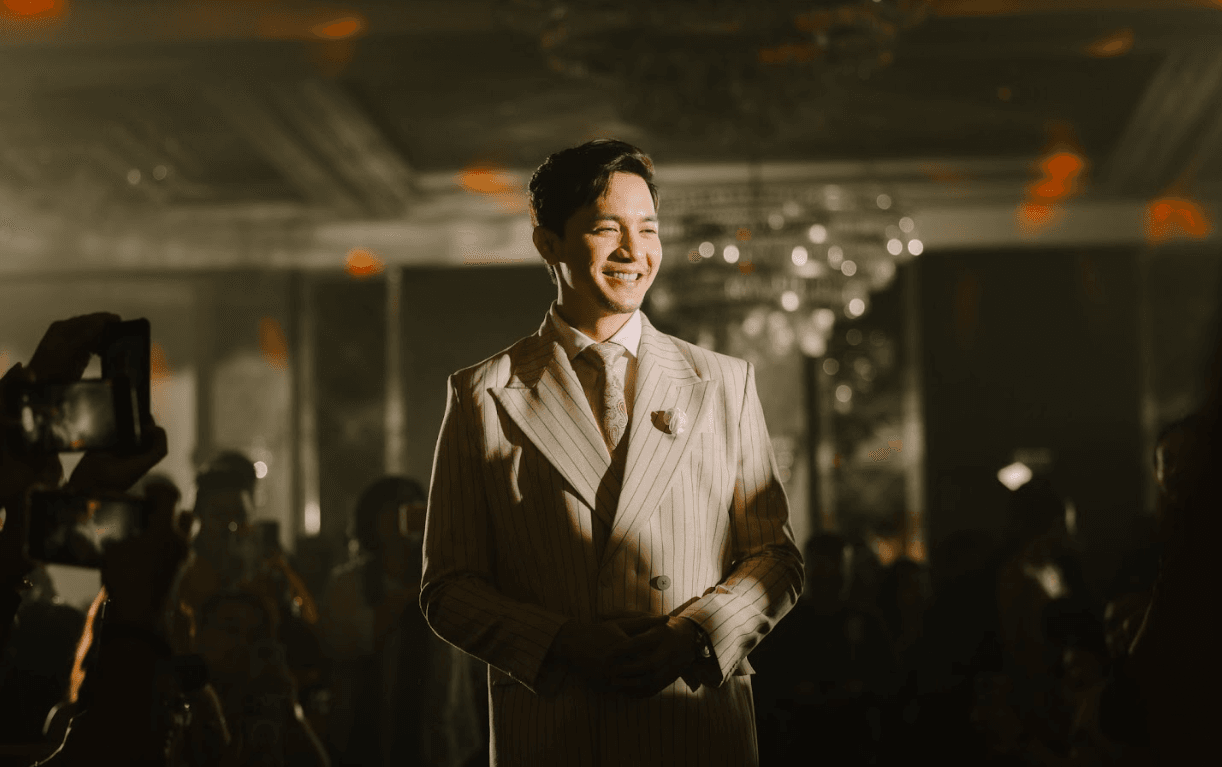
In the first collaboration between GMA and Netflix, "Pulang Araw" tells a compelling story about four protagonists: Eduardo (Alden Richards), Adelina (Barbie Forteza), Hiroshi (David Licauco), and Teresita (Sanya Lopez). The show depicts their lives as they navigate the challenges and atrocities of the Japanese occupation and World War II in the Philippines.
During a media roundtable with the four major cast members at the Peninsula Manila Hotel in Makati on July 9, Alden confessed that he became a bit emotional and faced challenges while portraying the role of Eduardo.
"For some reason itong mga ginawa naming torture scenes, meron kasi siyang reality aspect, so nangyari talaga siya sa totoong buhay. So, ang mahirap sa akin during that time is yung kumalas dun sa trauma, usually kasi madali akong mag-off sa character after a certain days of shooting," he said.
(For some reason, I found it challenging to let go of the trauma from the torture scenes we filmed because they had a sense of reality. Typically, I can easily switch off from the character after a few days of shooting, but this time it was difficult for me.)
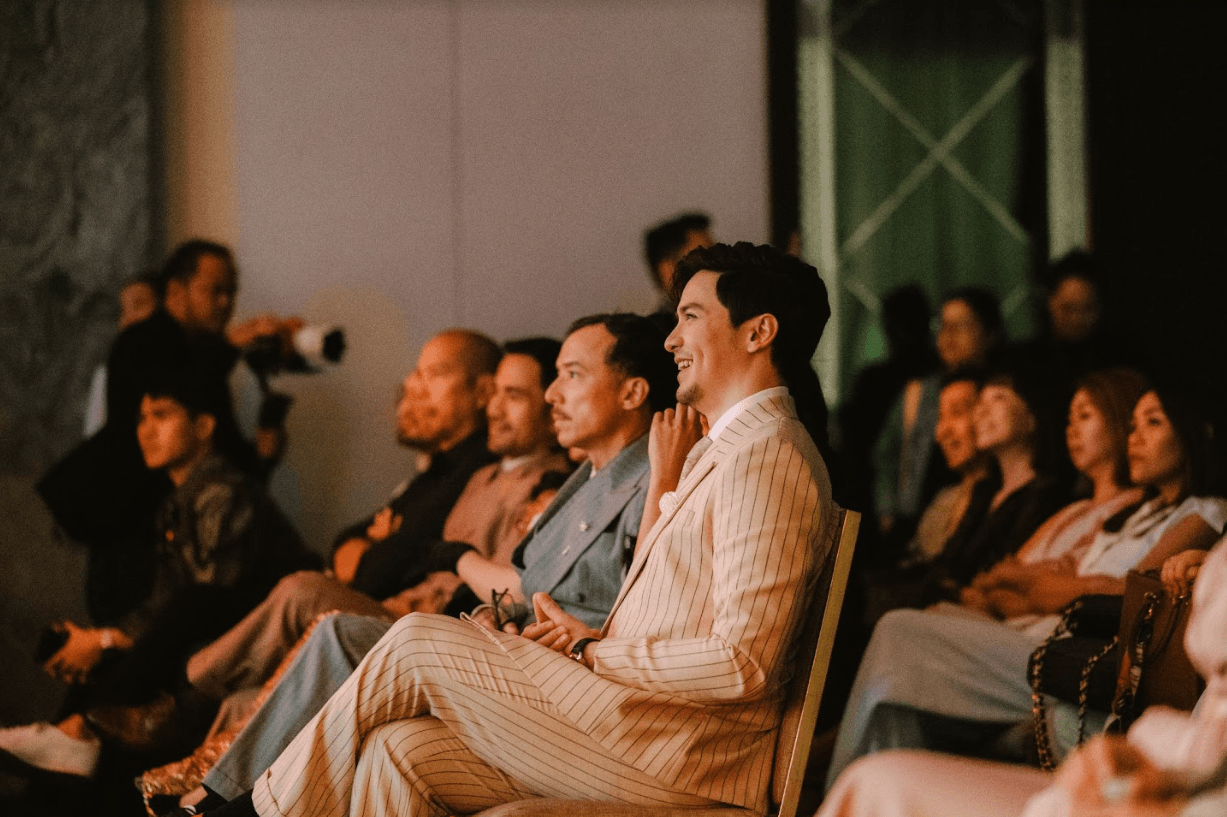
The actor also mentioned that portraying the role became more emotional and disturbing for him as he reflected on the real-life experiences of people during the Japanese occupation.
"While doing the torture scenes, paulit-ulit tumatakbo sa isip ko na, na nangyari ito sa mga kapwa natin Pilipino dati. Kaya it's very emotional and disturbing kasi kahit inaarte namin siya nararamdaman namin yung trauma, kasi siguro nakadag-dag rin yung nakakulong kami sa dungeon, madilim, mausok tapos pinapahirapan pa kami. So, this is something that I never imagined doing," he added.
(While doing the torture scenes, it kept running through my mind, this happened to our fellow Filipinos in the past. So it's very emotional and disturbing because even though we're acting, we feel the trauma because maybe the one we're incarcerated with is also traumatized in the dungeon; it's dark, it's smoky, and we're being tortured. So, this is something that I never imagined doing.)
Despite all the struggles and challenges he faced while portraying Eduardo, there's one thing he likes the most about him—transforming into an indomitable man with his primary motivation: love — love for his dreams, his family, the person he wants to pursue, and friendship.
“Lahat tayo ay may ganon eh; lahat tayo may gustong ipaglaban sa buhay at gagawin natin ang lahat para makamtan ‘yun.” Alden said.
(We all have something worth fighting for, and we will do everything we can to achieve it.)
He also emphasized the story's profound impact in showcasing the experiences and reality during that sensitive period, which he feels many in this generation are unaware of. “I think this is the most relevant and most important story of 2024."
Loyalty from their perspective
As the story delves into the challenges faced by each character, the main cast also discussed their individual perspectives on loyalty.
"Yung loyalty for me madedefine ko siya as kung paano kasa sarili mo, kung sa simula pa lang hindi mo na kayang maging loyal sa sarili mo, mahihirapan ka maging loyal din sa ibang tao. So, be nice to yourself kasi dun nagsisimula ang lahat," Sanya said.
(Loyalty, to me, means being true to yourself. If you can't be loyal to yourself, it's tough to be loyal to others. So, be kind to yourself because that's where everything begins.)

According to Alden, loyalty is about a person's values and beliefs. He said, "Loyalty boils down to the values people believe in because the foundation of loyalty is always positive. So, I think it depends on how you view your life and values."
Working with David, Barbie, and Sanya
Joining Alden on one of the most anticipated series are three of the most well-known stars of their generation.
David, Barbie, and Sanya shared some behind-the-scenes moments while working on set.
"Honestly speaking food talaga yung comfort namin behind the scenes after filming a heavy scene kasi nakakapagod talaga minsan, kaya itong pulang araw ang hirap niya talaga gawan ng masayang ablib kasi seryoso, kaya nagpapa-light talaga sa set minsan yung mga biruan ni barbie at alden," Sanya shared.
Barbie said filming the vaudeville scene was one of her favorites on the show.
"Tap dance classes, bago pa man magsimula ang taping. Ang saya ng experience kasi sobrang lapit sa puso ko si Sanya," Barbie said.

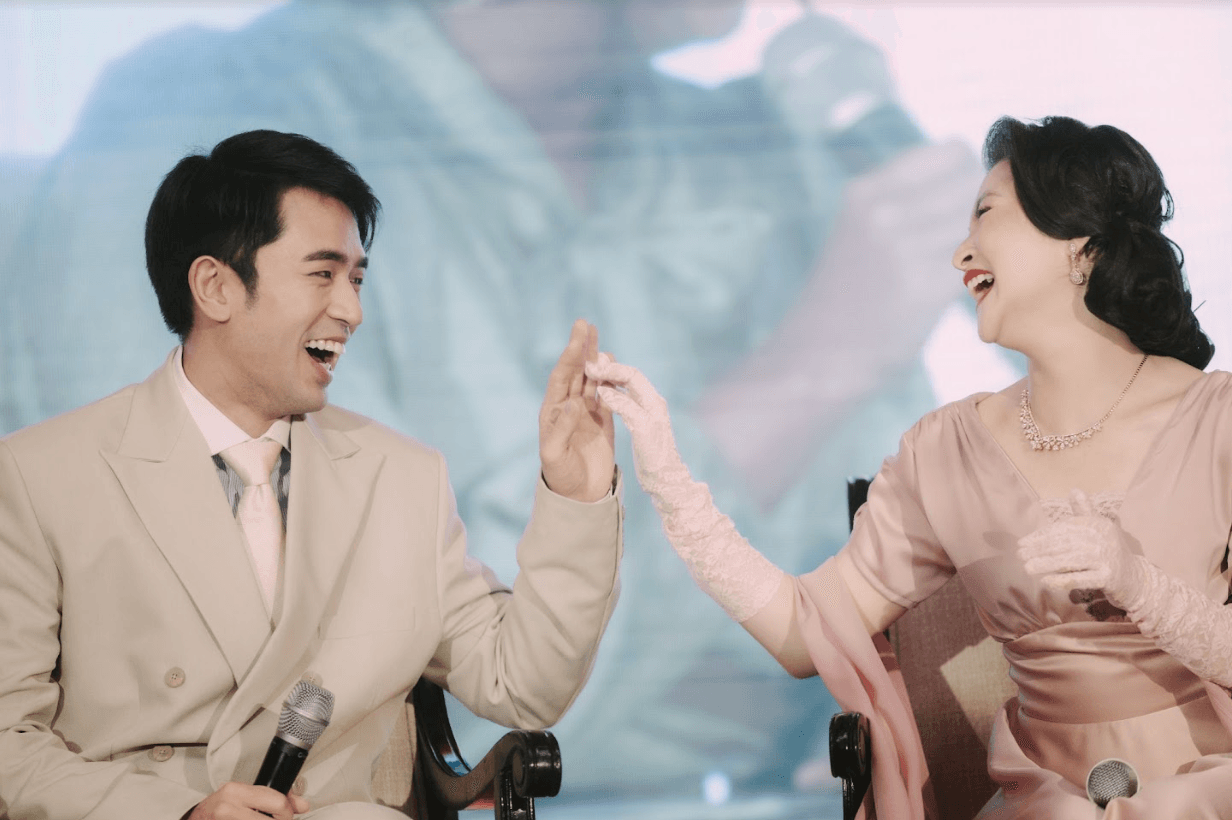
For David, one particular scene that he will never forget is when he tells Barbie's character, Adelina, that he loves her.
"Yung eksena na nag-I love you ako kay Barbie, dun ako may nakitang kakaiba. Napakagaling ni Barbie Forteza bilang aktres."
(I noticed something different when I told Barbie I love her. Barbie Forteza is an exceptional actress.)
“Pulang Araw” is now streaming on Netflix Philippines. Global Pinoys can also catch it via GMA Pinoy TV starting July 29. "Pulang Araw" is directed by Dominic Zapata and written by Suzette Doctolero.