







Explore a symphony of gin and tea flavors with Bar.Flora's new menu
Ready to step into a new world of gin and tea?
By MB Lifestyle


As the saying goes, “Out with the old, in with the new.” Popular Tomas Morato hotspot, Bar.Flora, took this to heart by phasing out its entire drink menu.
One year after opening its doors at Scout Rallos, popular cocktails like BKK Boba Job, Bengal Bird, and Hola Mate are no more. What comes next? Volume II—a unique spread of 18 tea beverages and cocktails that’s sure to give your taste buds layer after layer of flavor.
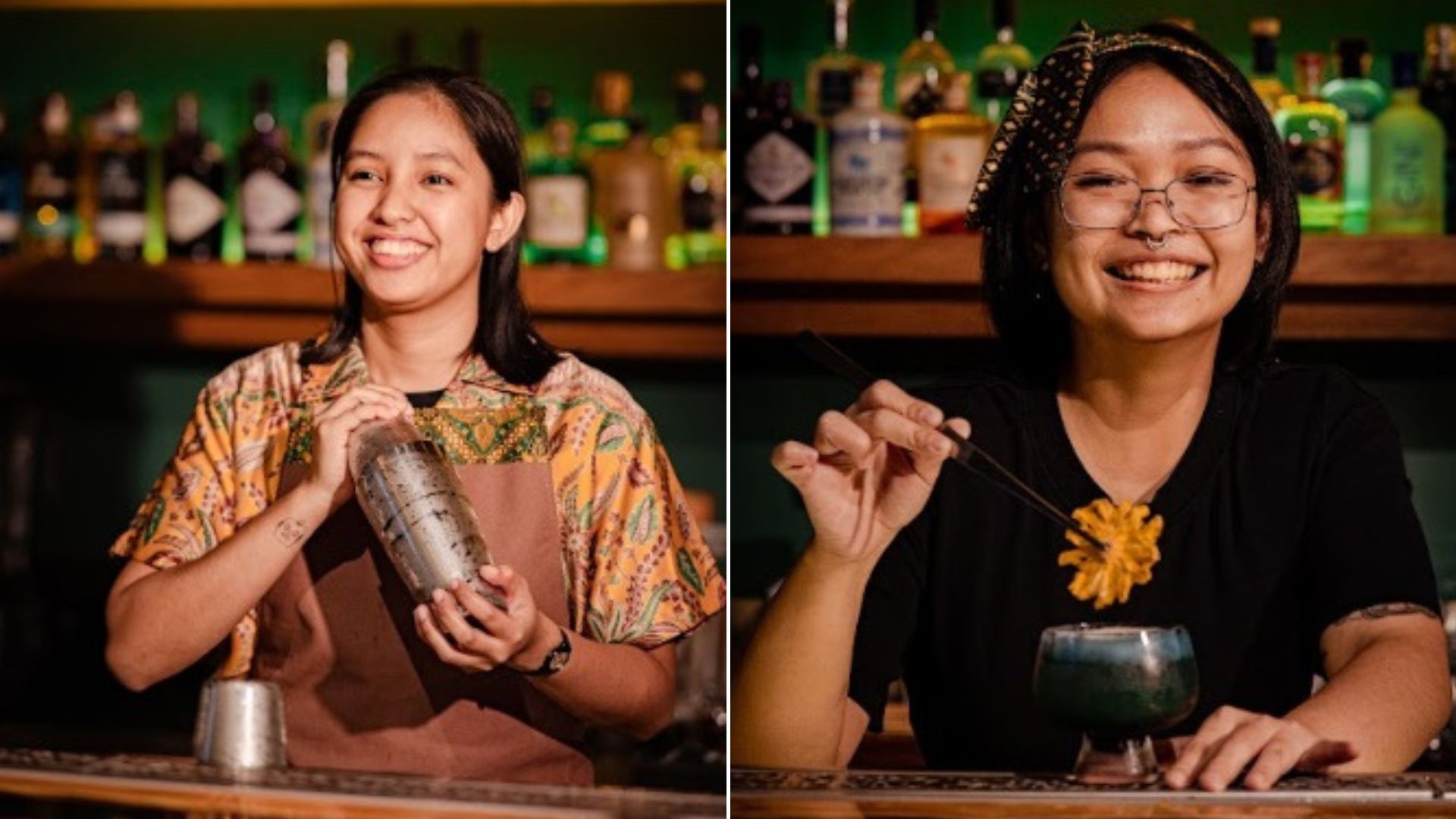
Soon-to-graduate Tea Sommeliers Rose De Guzman and Elli Tiongco led the whole team to dig deep into their tea knowledge and experience with gin to create a completely new menu. Mentored by Beverage Director Cedric Mendoza, Rose, Elli, and the team tapped into their creativity to not just come up with unforgettable drinks, but unforgettable names, too.
Meet the new lineup
Volume II showcases a tea journey that highlights tea varieties across the globe and executes them into three different styles: Blossom Bliss (light and refreshing), Robust Revelations (spirit-forward), and Tea-Tails (zero alcohol tea-infused mocktails).
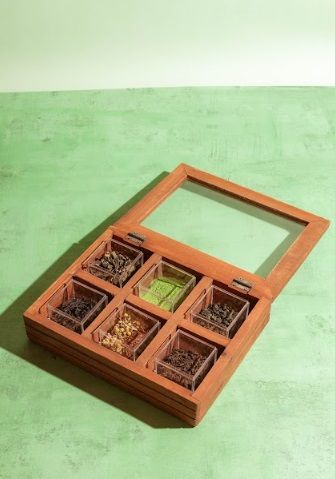
Six new drinks are included in each cocktail style, based on Grey Dragon White Tea, Matcha Green Tea, Dong Ding Oolong Tea, Darjeeling Black Tea, Tisane Blend, and Pu-Reh Fermented Black Tea.
Here are some of some of Volume II’s winning combinations:
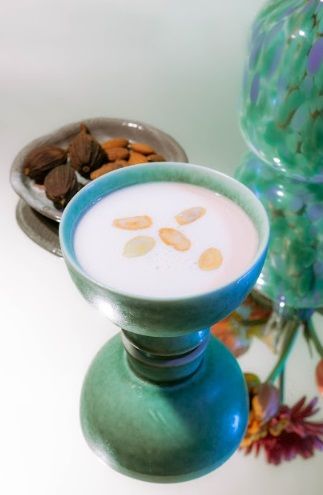
Florchata, a play on the popular Spanish drink horchata and part of the Blossom Bliss journey, blends Darjeeling-infused Gin with Rice Liqueur, Raisin, Cream, Cardamom Bitters, and Almonds.
Matchacallit, part of Robust Revelations, combines Sui Suntory Gin with Cream Cheese Liqueur, Dry Vermouth, Matcha Foam, and a housemade Graham Cracker.
The Pineapple Cake mocktail of the Tea-Tails journey is sure to be a crowd-pleaser with its mixture of Dong Ding Pineapple Juice, Brown Butter, and Saline Solution.
Other must-tries include Pornstars Are People Too, Capri Crush, Soba Matchachism, and Catch Me If You Can.
Ready to step into a new world of gin and tea?
Bar.Flora Volume II is now available at F’7 Scout Rallos, Quezon City (Tuesday-Saturday, 6 p.m onwards). To reserve a table, DM @floraginbar.