

ADVERTISEMENT

Maui judge's ruling bars insurers from going after defendants who agreed to $4B wildfire settlement

Published Aug 14, 2024 10:48 am

HONOLULU (AP) — A Maui judge’s ruling Tuesday resolves a critical roadblock to finalizing a $4 billion wildfire settlement: Insurance companies who have paid out more than $2 billion in claims can seek reimbursement only from the settlement amount defendants, who victims blame for causing the deadly tragedy, have agreed to pay.
AP24227042150840.jpg

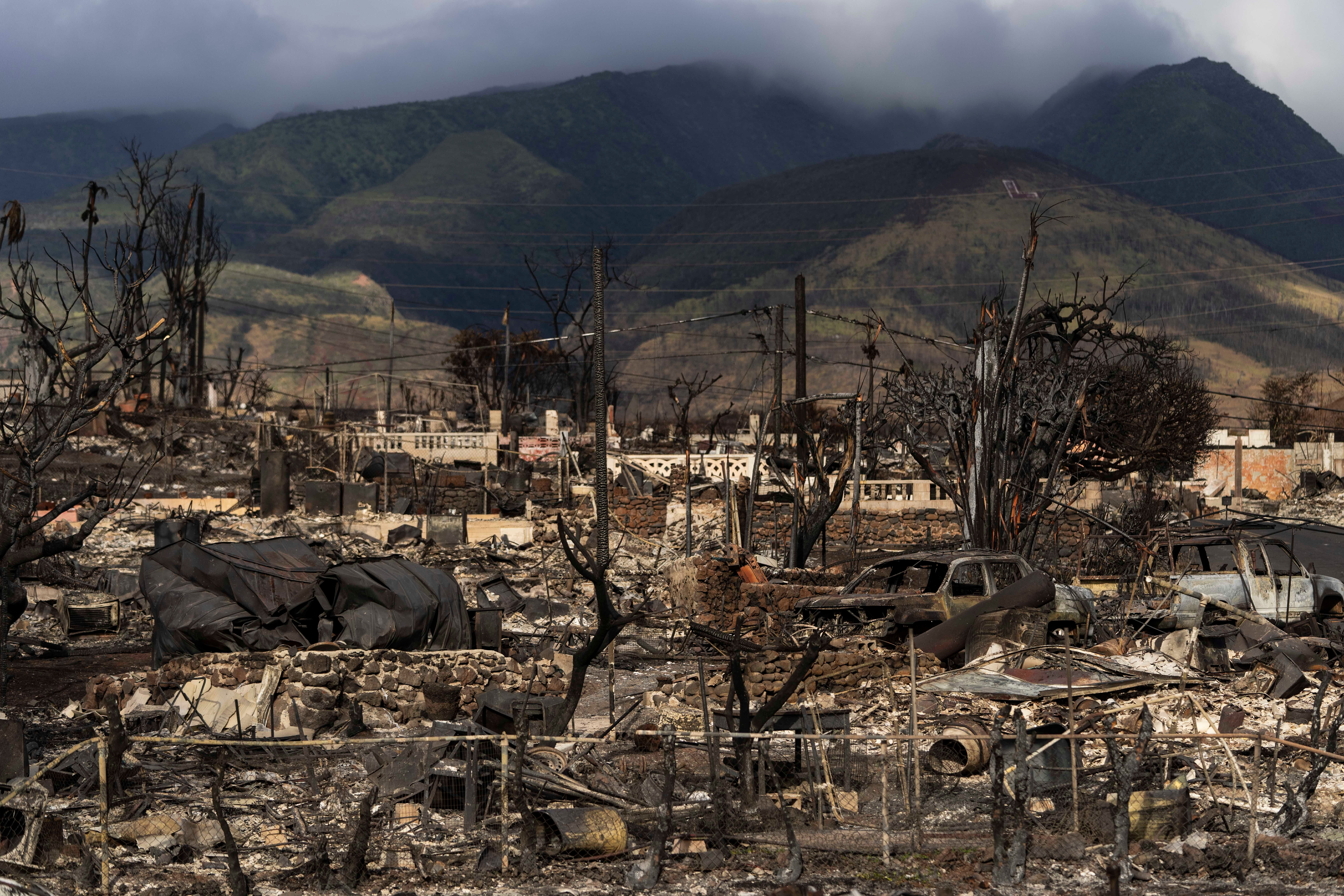
FILE - Damaged property lies scattered in the aftermath of a wildfire in Lahaina, Hawaii, Aug. 21, 2023. A Maui judge’s ruling Tuesday, Aug. 13, 2024, resolves a critical roadblock to finalizing a $4 billion wildfire settlement. (AP Photo/Jae C. Hong, File)

Lawyers representing plaintiffs in hundreds of lawsuits over the deaths and destruction caused by the fires asked the judge to bar insurers from bringing independent legal action to recoup the money paid to policyholders. Preventing insurers from going after the defendants is a key settlement term.

The settlement was reached earlier this month, days before the one-year anniversary of the the fires, amid fears that Hawaiian Electric, the power company that some blame for sparking the blaze, could be on the brink of bankruptcy. Other defendants include Maui County and large landowners.

The federal Bureau of Alcohol, Tobacco, Firearms and Explosives is investigating the Aug. 8, 2023, fires that killed 102 people, destroyed the historic downtown area of Lahaina, burned thousands of homes and displaced 12,000 people.

Plaintiff lawyers were worried allowing insurers to pursue reimbursement separately would be a deal-breaker, drain what is available to pay fire victims and lead to prolonged litigation.

A group of more than 160 property and casualty insurers that have so far paid more than $2.34 billion to people and businesses devastated by the fires remained as holdouts to the settlement.

Jesse Creed, an attorney serving as one of four liaisons for the coordination of the plaintiffs’ lawsuits, told Cahill the insurers want to get court judgements for enormous damages, "and leave a carcass for the plaintiffs.”

Insurer lawyers argued in court filings that what they called the rush to push through a settlement deprives the insurers of their due process.

The insurance industry has been unfairly villainized as outsiders taking resources from the community while those responsible for the fires won't be held accountable, Vincent Raboteau, an attorney representing the insurers, told the judge.

“And we’re not arguing to be first in line for anything,” he said. “It’s always been our position that individual plaintiffs should get the lion’s share.

After the hearing, Raboteau declined to comment on Cahill's ruling and wouldn't say whether they plan to seek review of Cahill's ruling by the Hawaii Supreme Court.

“We humbly ask the mainland subrogation attorneys to accept what Judge Cahill has made clear, which is no one should stand in the way of our people’s full recovery," Gov. Josh Green said in a statement Tuesday night. "The world has changed as a result of climate forces, and we need to work together - states, insurers, attorneys - to create better ways for people to settle differences so they can address risks and recover when necessary.”

Jake Lowenthal, another liaison attorney for the plaintiffs, said they are heartened by Cahill's ruling.

“This is going to be a critical part in reaching a final resolution of everyone’s claims as well as resolving the insurance companies’ potential rights of reimbursement," he said.

Related Tags

world news
ADVERTISEMENT
.most-popular .layout-ratio{ padding-bottom: 79.13%; } @media (min-width: 768px) and (max-width: 1024px) { .widget-title { font-size: 15px !important; } }

{{ articles_filter_1561_widget.title }}

.most-popular .layout-ratio{ padding-bottom: 79.13%; } @media (min-width: 768px) and (max-width: 1024px) { .widget-title { font-size: 15px !important; } }

{{ articles_filter_1562_widget.title }}

.most-popular .layout-ratio{ padding-bottom: 79.13%; } @media (min-width: 768px) and (max-width: 1024px) { .widget-title { font-size: 15px !important; } }

{{ articles_filter_1563_widget.title }}

{{ articles_filter_1564_widget.title }}

.mb-article-details { position: relative; } .mb-article-details .article-body-preview, .mb-article-details .article-body-summary{ font-size: 17px; line-height: 30px; font-family: "Libre Caslon Text", serif; color: #000; } .mb-article-details .article-body-preview iframe , .mb-article-details .article-body-summary iframe{ width: 100%; margin: auto; } .read-more-background { background: linear-gradient(180deg, color(display-p3 1.000 1.000 1.000 / 0) 13.75%, color(display-p3 1.000 1.000 1.000 / 0.8) 30.79%, color(display-p3 1.000 1.000 1.000) 72.5%); position: absolute; height: 200px; width: 100%; bottom: 0; display: flex; justify-content: center; align-items: center; padding: 0; } .read-more-background a{ color: #000; } .read-more-btn { padding: 17px 45px; font-family: Inter; font-weight: 700; font-size: 18px; line-height: 16px; text-align: center; vertical-align: middle; border: 1px solid black; background-color: white; } .hidden { display: none; }
function initializeAllSwipers() { // Get all hidden inputs with cms_article_id document.querySelectorAll('[id^="cms_article_id_"]').forEach(function (input) { const cmsArticleId = input.value; const articleSelector = '#article-' + cmsArticleId + ' .body_images'; const swiperElement = document.querySelector(articleSelector); if (swiperElement && !swiperElement.classList.contains('swiper-initialized')) { new Swiper(articleSelector, { loop: true, pagination: false, navigation: { nextEl: '#article-' + cmsArticleId + ' .swiper-button-next', prevEl: '#article-' + cmsArticleId + ' .swiper-button-prev', }, }); } }); } setTimeout(initializeAllSwipers, 3000); const intersectionObserver = new IntersectionObserver( (entries) => { entries.forEach((entry) => { if (entry.isIntersecting) { const newUrl = entry.target.getAttribute("data-url"); if (newUrl) { history.pushState(null, null, newUrl); let article = entry.target; // Extract metadata const author = article.querySelector('.author-section').textContent.replace('By', '').trim(); const section = article.querySelector('.section-info ').textContent.replace(' ', ' '); const title = article.querySelector('.article-title h1').textContent; // Parse URL for Chartbeat path format const parsedUrl = new URL(newUrl, window.location.origin); const cleanUrl = parsedUrl.host + parsedUrl.pathname; // Update Chartbeat configuration if (typeof window._sf_async_config !== 'undefined') { window._sf_async_config.path = cleanUrl; window._sf_async_config.sections = section; window._sf_async_config.authors = author; } // Track virtual page view with Chartbeat if (typeof pSUPERFLY !== 'undefined' && typeof pSUPERFLY.virtualPage === 'function') { try { pSUPERFLY.virtualPage({ path: cleanUrl, title: title, sections: section, authors: author }); } catch (error) { console.error('ping error', error); } } // Optional: Update document title if (title && title !== document.title) { document.title = title; } } } }); }, { threshold: 0.1 } ); function showArticleBody(button) { const article = button.closest("article"); const summary = article.querySelector(".article-body-summary"); const body = article.querySelector(".article-body-preview"); const readMoreSection = article.querySelector(".read-more-background"); // Hide summary and read-more section summary.style.display = "none"; readMoreSection.style.display = "none"; // Show the full article body body.classList.remove("hidden"); } document.addEventListener("DOMContentLoaded", () => { let loadCount = 0; // Track how many times articles are loaded const offset = [1, 2, 3, 4, 5, 6, 7, 8, 9, 10]; // Offset values const currentUrl = window.location.pathname.substring(1); let isLoading = false; // Prevent multiple calls if (!currentUrl) { console.log("Current URL is invalid."); return; } const sentinel = document.getElementById("load-more-sentinel"); if (!sentinel) { console.log("Sentinel element not found."); return; } function isSentinelVisible() { const rect = sentinel.getBoundingClientRect(); return ( rect.top < window.innerHeight && rect.bottom >= 0 ); } function onScroll() { if (isLoading) return; if (isSentinelVisible()) { if (loadCount >= offset.length) { console.log("Maximum load attempts reached."); window.removeEventListener("scroll", onScroll); return; } isLoading = true; const currentOffset = offset[loadCount]; window.loadMoreItems().then(() => { let article = document.querySelector('#widget_1690 > div:nth-last-of-type(2) article'); intersectionObserver.observe(article) loadCount++; }).catch(error => { console.error("Error loading more items:", error); }).finally(() => { isLoading = false; }); } } window.addEventListener("scroll", onScroll); });

Sign up by email to receive news.