







Where authentic Thai refinement meets five-star fine dining
By MB Lifestyle


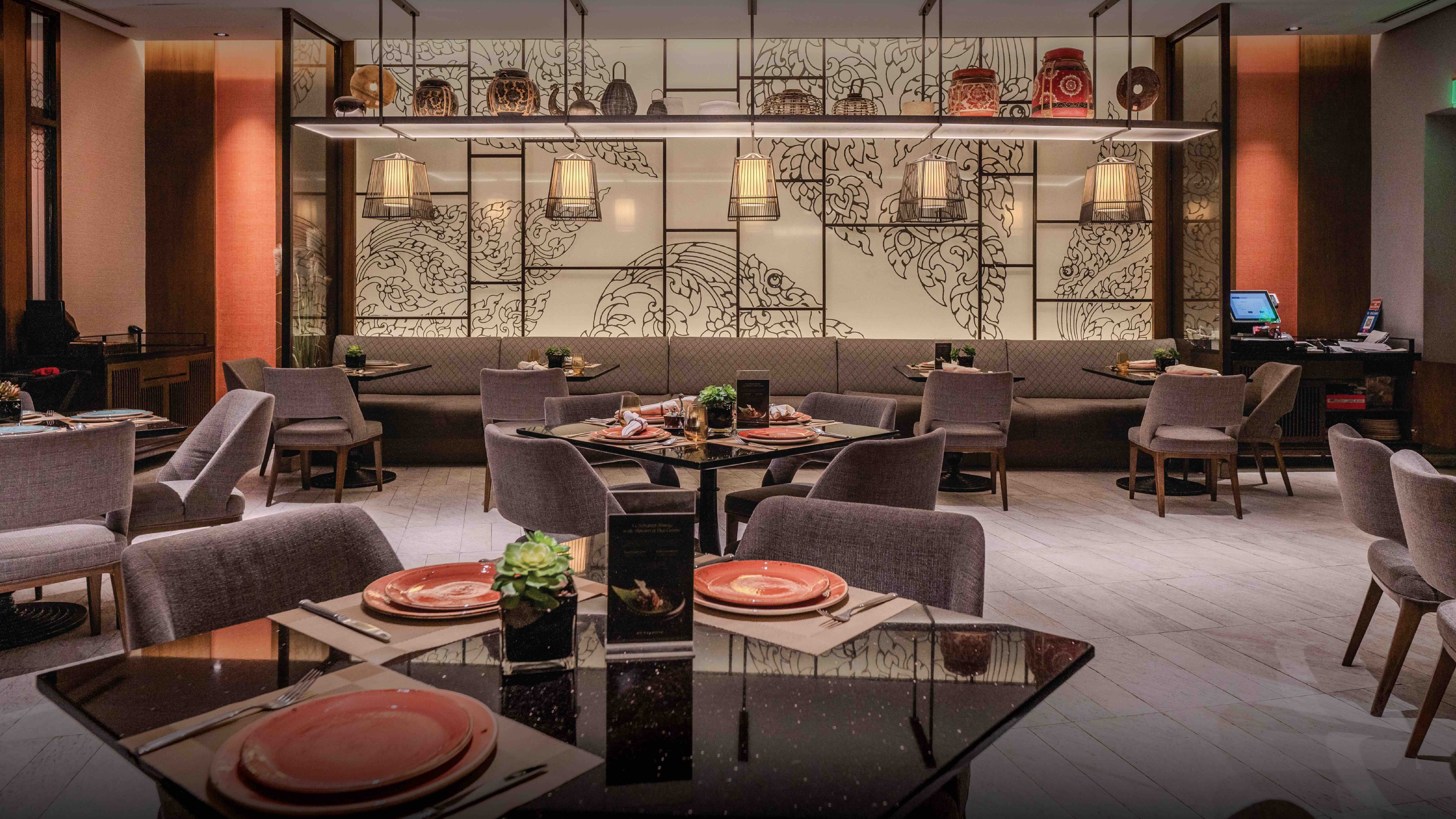
Nestled within the luxurious Dusit Thani Manila, Benjarong Restaurant offers a dining experience that seamlessly blends the sophistication of Thai culture with the elegance of five-star fine dining. The name "Benjarong" itself is steeped in Thai heritage, referring to an exquisite type of porcelain known for its intricate designs and vibrant colors. This cultural significance is mirrored in every aspect of the restaurant, from its menu to its décor, making Benjarong not just a place to dine, but a place to immerse oneself in the elegance of Thai culture.
Authentic Thai Fine Dining
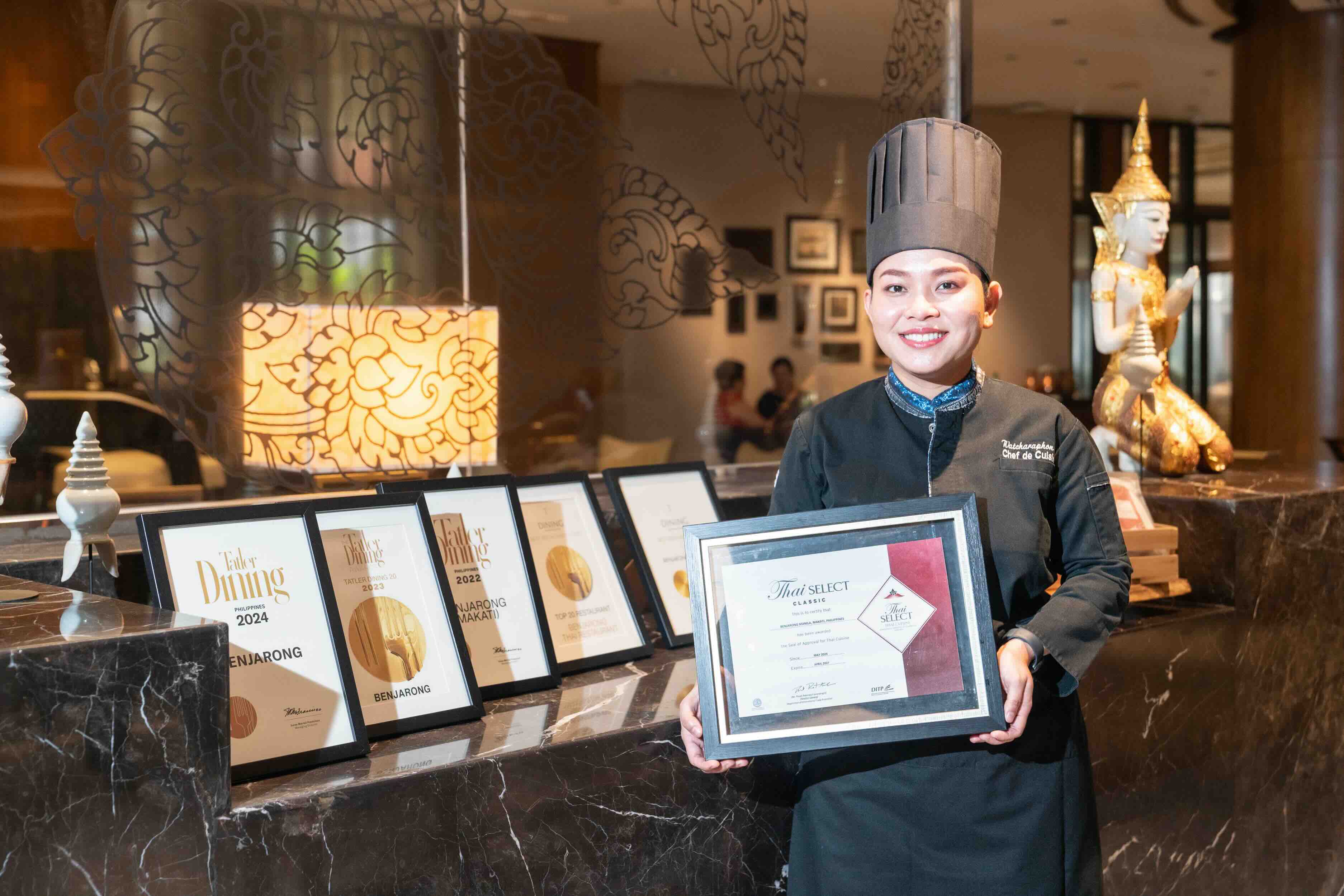 At Benjarong, the commitment to authenticity is unwavering. The restaurant’s culinary team, led by the talented Chef Ja, Watcharaphon Yongbanthom, ensures that every dish reflects the true essence of Thai cuisine. A key element of Benjarong’s authenticity is the use of high-quality ingredients imported directly from Thailand. Thai rice, seasonings, and fresh produce are carefully selected to ensure each dish retains its genuine Thai flavor. This dedication to authenticity is further recognized by the restaurant’s Thai SELECT certification, a prestigious endorsement from the Thai government that guarantees the quality and authenticity of the food served.
A Culinary Experience Like No Other
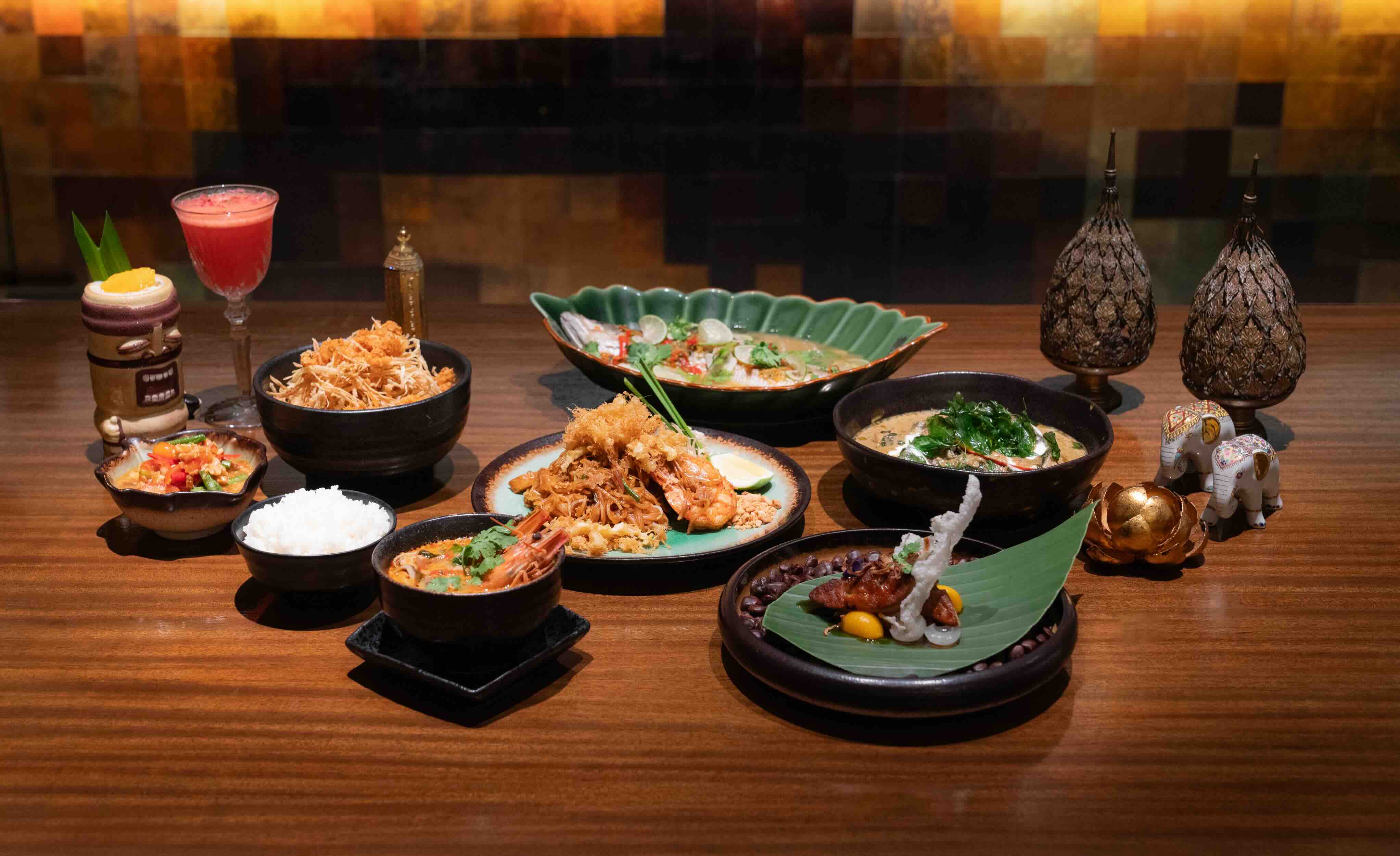 The menu at Benjarong is a testament to the richness of Thai culinary tradition, elevated by the creativity and expertise of its chefs.
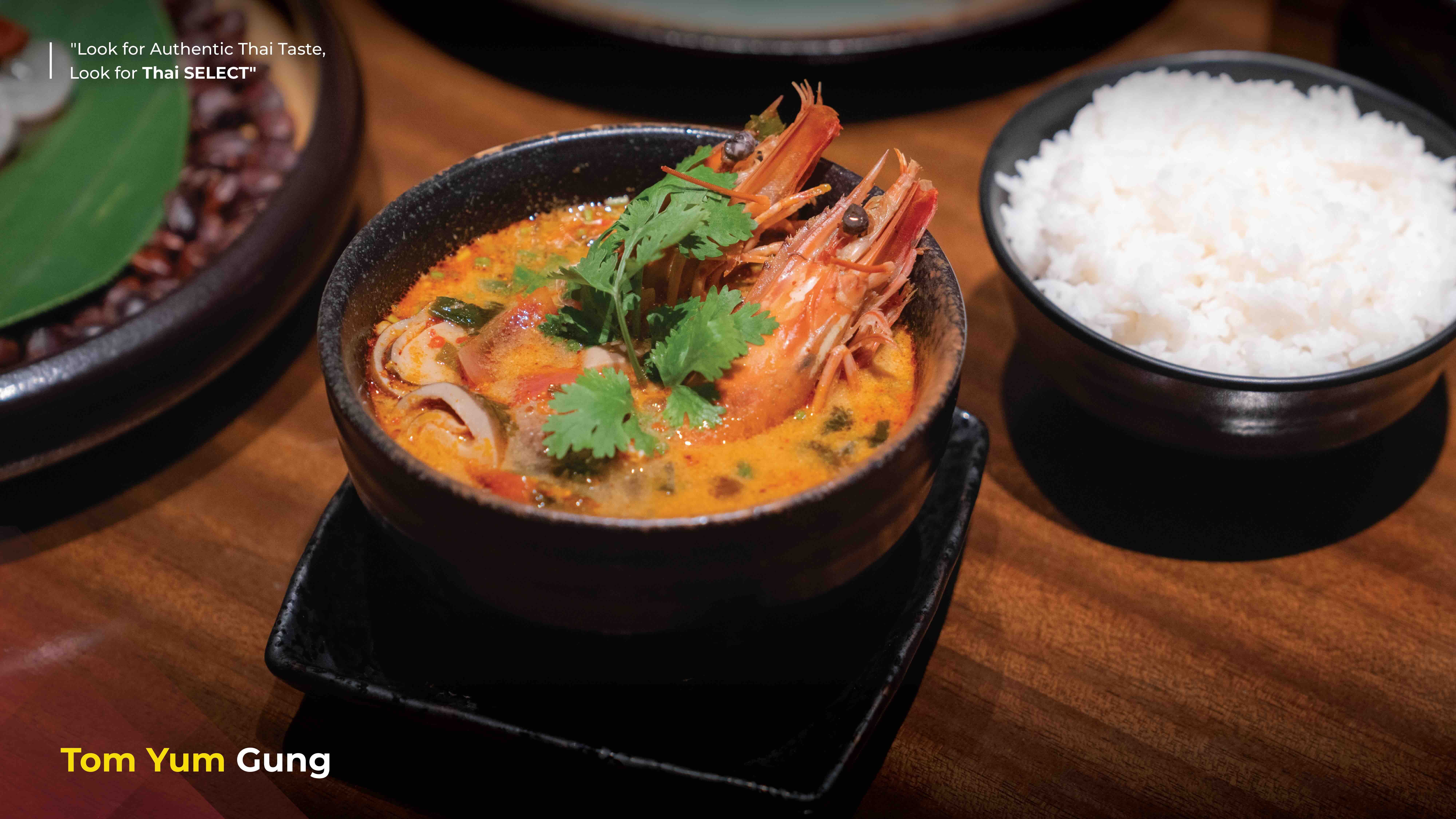 Tom Yum Gung:
No Thai meal is complete without Tom Yum Gung, and Benjarong’s version is nothing short of spectacular. The soup is brimming with giant prawns, mushrooms, and a blend of Thai herbs and spices, creating a harmonious balance of hot and sour flavors that warm the soul.
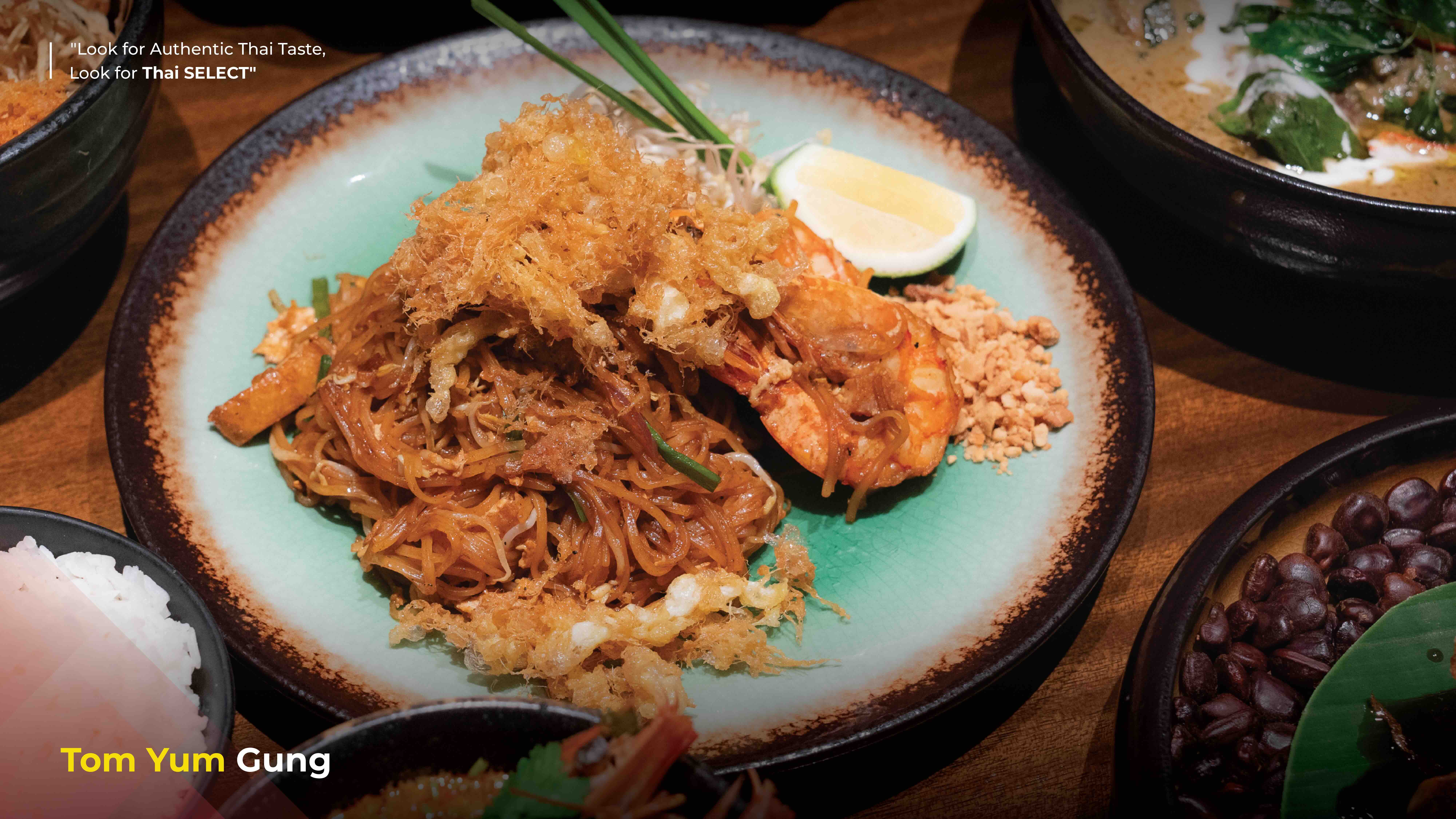
Phad Thai Gung:
This beloved classic is prepared with succulent prawns and a sauce that perfectly captures the sweet, sour, and salty notes of this iconic dish. The noodles are cooked to perfection, offering a taste of Thailand that transports you straight to the high-end restaurants in Bangkok with every bite.
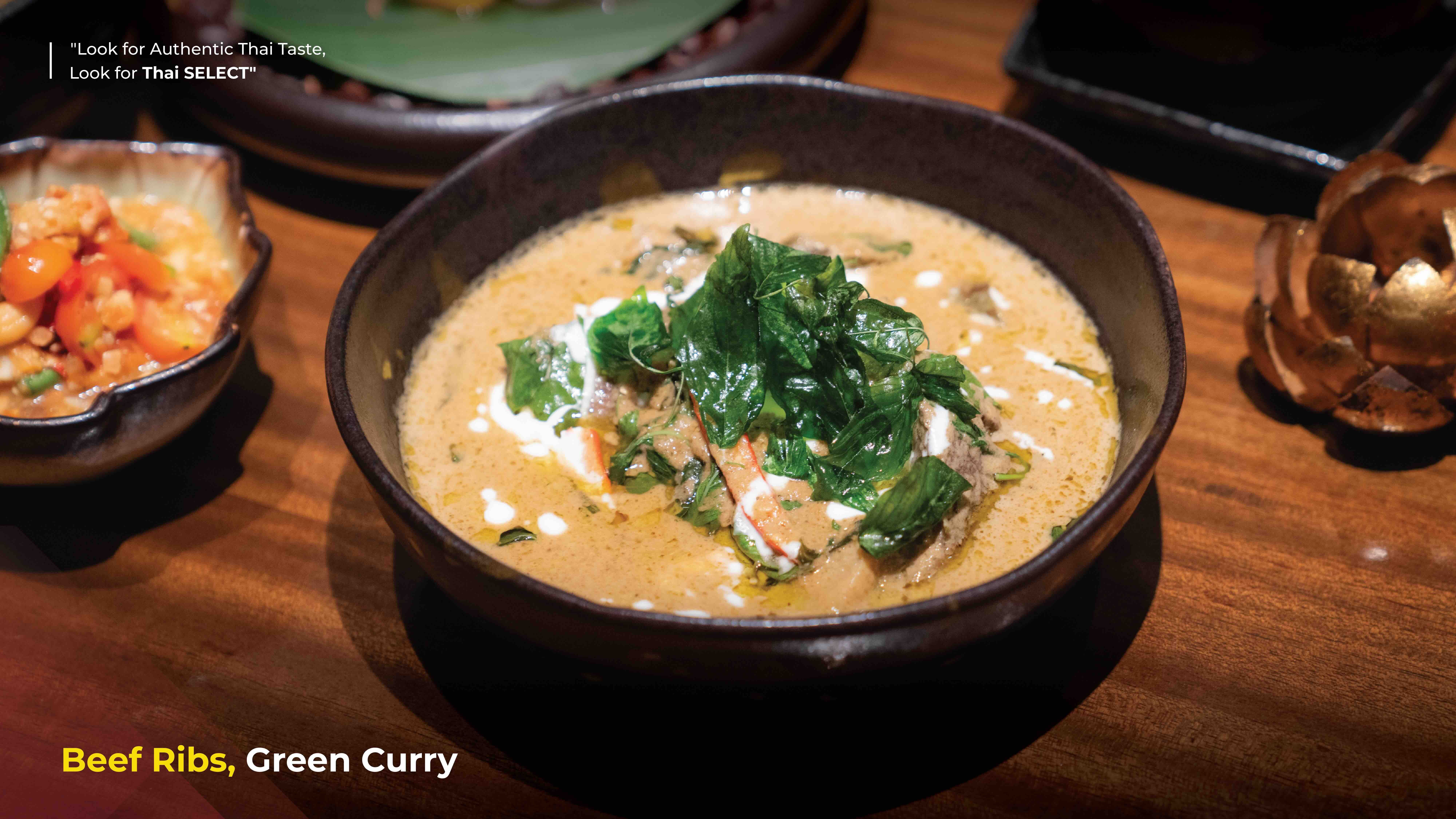
72-Hour Cooked Beef Ribs, Green Curry (Gaeng Khieo Wan See Krong Neau Toon):
For those who crave something hearty, the 72-hour cooked beef ribs served with green curry are a must-try. The slow-cooked beef is incredibly tender, while the green curry adds a spicy, fragrant kick that lingers on the palate.
Tab Haan with Tamarind Sauce (Foie Gras with Tamarind Sauce):
A highlight of the Benjarong experience, this dish pairs buttery foie gras with a tangy tamarind sauce, exemplifying the balance of flavors that Thai cuisine is known for. The richness of the foie gras is beautifully complemented by the acidity and sweetness of the tamarind.
Delectable Desserts and Refreshing Beverages
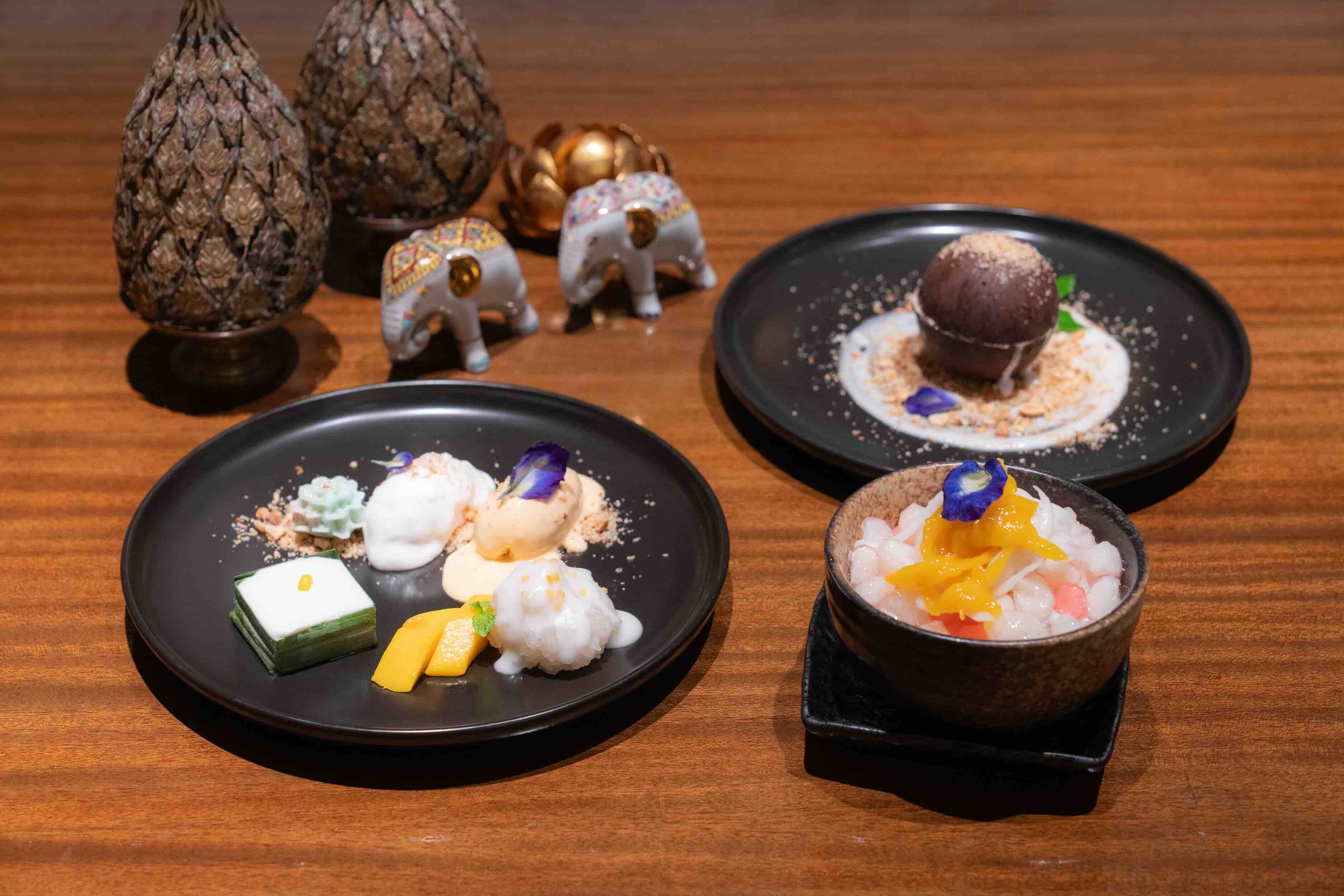
Benjarong’s dessert menu is as creative and delightful as the main courses. The coconut ice cream, served in a chocolate shell resembling a real coconut, is as visually stunning as it is delicious, making it a hit on Instagram as well as on the palate. Khanom Waan Ruam: For those who can’t decide on just one dessert, this sampler offers a perfect combination of Thailand’s most beloved treats, from sweet and sticky rice with mango to creamy coconut ice cream, making it a feast for both the eyes and the taste buds.
Pair your meal with a refreshing drink, like the Pandan and Coconut Juice, which is both flavorful and cooling—perfect for cutting through the richness of the dishes.
A Warm and Inviting Atmosphere
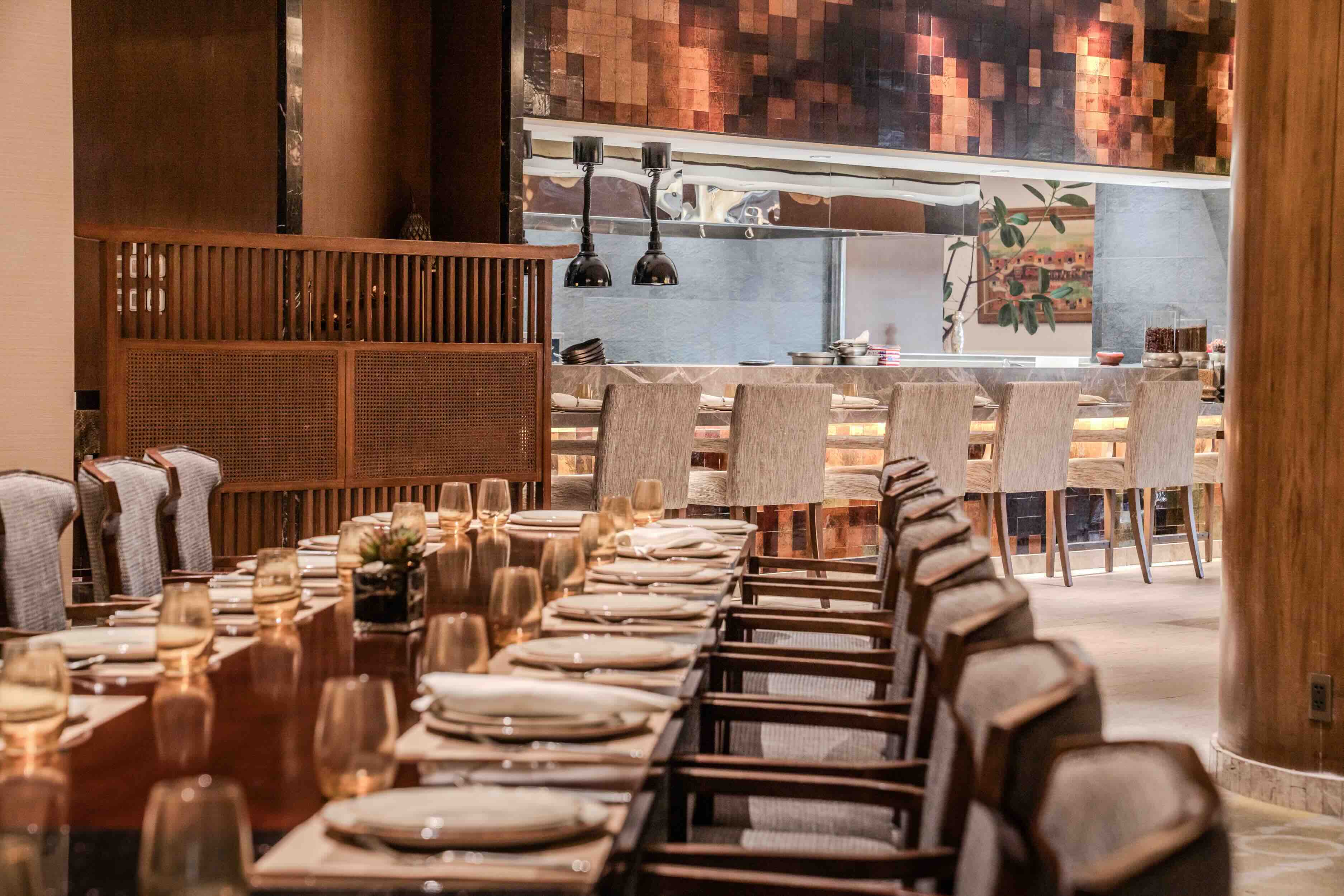
While Benjarong is housed within the luxurious Dusit Thani Manila, the restaurant exudes a welcoming atmosphere that makes everyone feel right at home. The décor blends modern design with traditional Thai elements, creating a space that is both elegant and inviting. Traditional Thai music plays softly in the background, enhancing the dining experience and transporting guests to the luxury and sophistication of Thailand.
Despite its fine dining status, Benjarong is anything but intimidating. The staff are warm and attentive, ensuring that every guest feels comfortable and well taken care of. The restaurant’s ability to cater to individual preferences, whether it’s accommodating dietary restrictions or adjusting the level of spiciness to suit the Filipino palate, makes it a versatile choice for all diners.
For those who love cooking at home but struggle to find authentic curry paste, Benjarong offers curry paste like green curry, red curry, and yellow curry, allowing you to enjoy cooking to your taste while ensuring the authentic flavors of Thai cuisine.
Benjarong at Dusit Thani Manila is located at Theater Drive, Makati, Metro Manila. For inquiries or reservations, call +63 2 7238 8441 or visit their website at dusit.com. The restaurant is open daily from 11:30 a.m. to 2:30 p.m. and 5:30 p.m. to 10:00 p.m., except on Mondays.