






 Lifestyle
Food
190 years in the craft: Ginebra San Miguel showcases the 'Art of Gin' on World Gin Day
Lifestyle
Food
190 years in the craft: Ginebra San Miguel showcases the 'Art of Gin' on World Gin Day
190 years in the craft: Ginebra San Miguel showcases the 'Art of Gin' on World Gin Day
Celebrate the rich history and craftsmanship of Ginebra San Miguel
By MB Lifestyle


In celebration of its 190th anniversary, Ginebra San Miguel Inc. (GSMI), the maker of the world's largest selling gin, is showcasing the Art of Gin on World Gin Day (WGD), a yearly Celebration of Gin every second Saturday of June, now held in Europe, Australia and parts of the United States as well as in the Philippines.
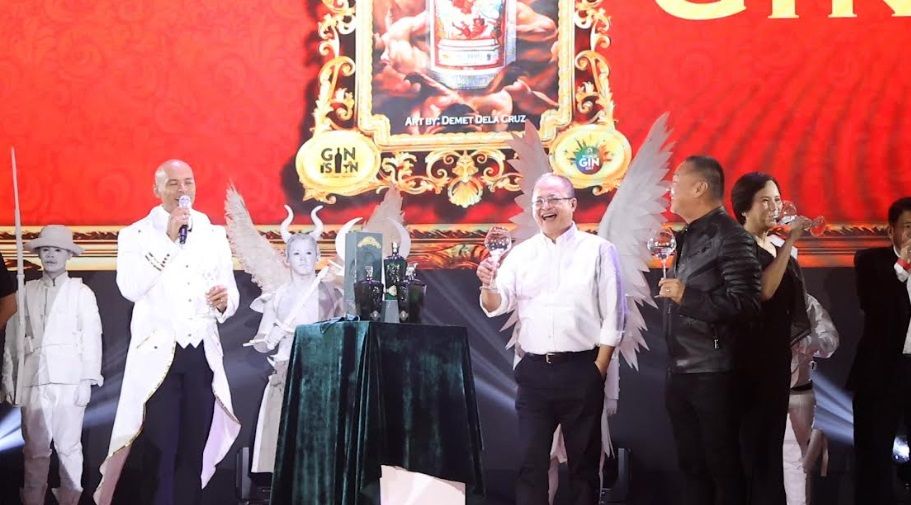
GSMI led the first WGD celebration in the Asia-Pacific region in 2014. Since then, gin enthusiasts eagerly anticipate GSMI's annual festivities, which have become a staple for aficionados and curious newcomers alike. GSMI continues its WGD tradition with month-long activities highlighting June as Gin month, starting with a media launch on June 4 at the Novotel Manila Araneta City.
"This year's World Gin Day holds a special significance for us as it coincides with the 190th anniversary of our flagship brand. To celebrate this milestone, we've crafted a one-of-a-kind World Gin Day experience, letting gin-enthusiasts step back in time and celebrate the rich history and craftsmanship of Ginebra San Miguel. After all, you do not get to 190 years without a milestone or a masterpiece", said GSMI marketing manager Ron Molina.
Aside from showcasing the art of cocktail mixing, the main highlight of the WGD event is a walk-through museum filled with Ginebra artifacts, commemorative items, art pieces, and collectibles and an edu-tainment (educational-entertainment) performance showing the three-part journey of Ginebra's 190 years of quality craftsmanship: OriGINs, GINnovations, and ImaGINations.
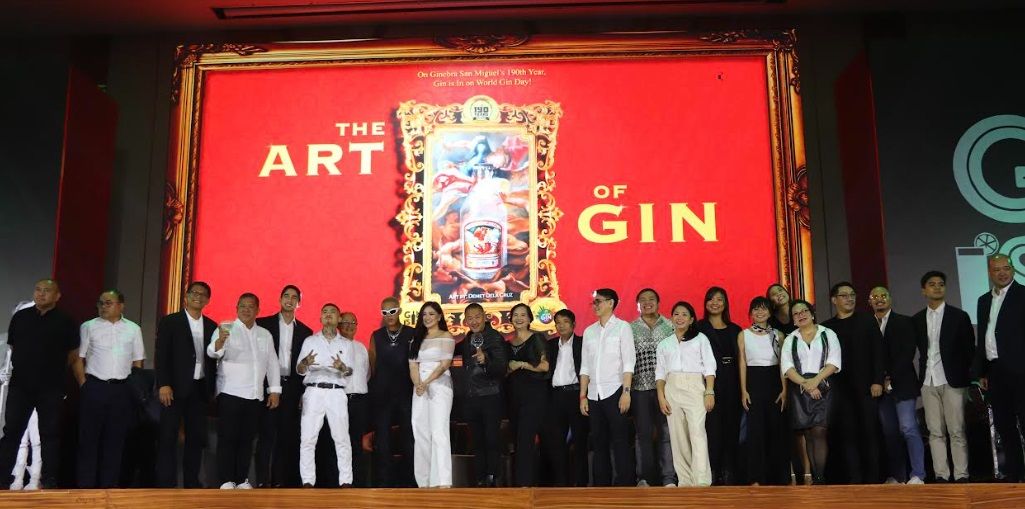
OriGINs
In the first part, historian Alvin Campomanes brings the origin of Ginebra San Miguel to life with his creative narration of historical facts and trivia, while human statues portraying key figures in GSMI's history act out the scenes in the background.
The OriGINs chronicle the history of the Philippines' first-ever gin, which was born on March 10, 1834 at the Distileria Licorea de Ayala, a distillery located in Quiapo, Manila.
Ginebra San Miguel was first bottled in 20- to 60-liter demijohns, locally called damajuana, as a drink for the wealthy and exclusive to peninsulares and insulares. But with the commercialization of alcohol in the mid-1800s, gin was made cheaper and more affordable to the masses and packaged in square bottles, also known as frasco or cuatro cantos. From then on, Filipinos have embraced Ginebra as a cool and refreshing drink that suits their tastes, thanks to juniper berries, an essential ingredient of gin that defines its unique and distinct flavor.
The OriGINs also showcased the bottle label painted by National Artist Fernando Amorsolo. The artwork depicting St. Michael the Archangel vanquishing evil, which was drawn in 1917 by Amorsolo, became the official Ginebra San Miguel logo in the early 1950s.
GINnovations
The GINnovations' chapter in the Art of Gin explores advancements and innovations in Philippine gin-making, illustrating how Ginebra San Miguel has been the epitome of excellence since 1834. Crafted in copper stills, every bottle of Ginebra San Miguel undergoes a meticulous distillation process, transforming the juniper-infused spirit into a clear, pure drink that brings out its best flavors.
Today, under San Miguel Corporation's stewardship, Ginebra San Miguel Inc. has produced some of the most recognizable brands in the Philippine liquor market that cater to different segments and tastes, such as GSM Blue for the young, Ginebra San Miguel for the hard-working Filipino, GSM Premium Gin for the practical premium drinker, and 1834 Premium Distilled Gin that appeals to sophisticated tastes.
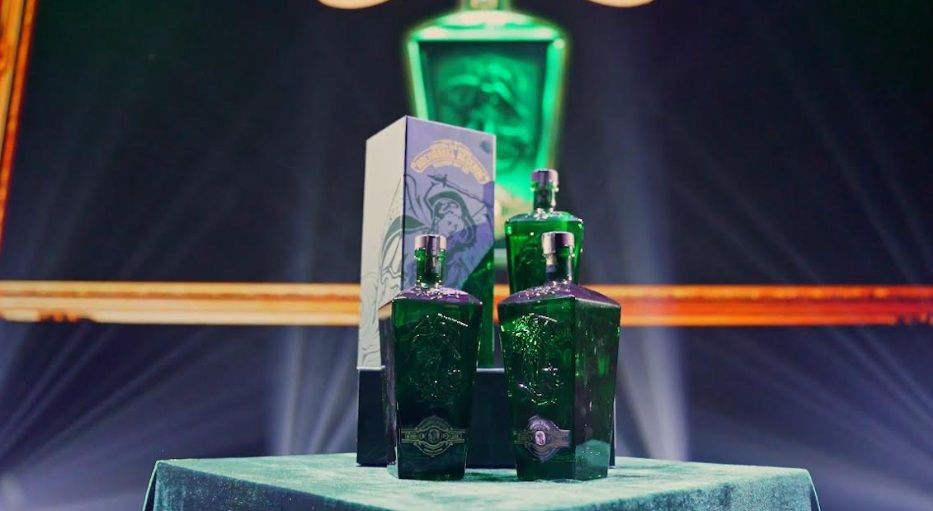
Among its latest creation is the Archangel Reserve, in a limited-edition one-liter emerald green commemorative bottle, launched at the WGD event. This limited-edition masterpiece is a 90-proof premium dry gin, made from a perfect balance of six select botanicals–juniper berry, angelica root, coriander seed, lemon peel, orange peel, and liquorice. Distilled in copper pot stills for an exquisite taste and smooth finish, Archangel Reserve is a testament to Ginebra San Miguel's rich heritage of gin-making spanning 190 years. It is reserved for those moments worthy of distinguished toasts.
ImaGINations
The ImaGINations chapter evolves into a modern variety show, exploring how Ginebra San Miguel has become part of the lives of the Filipino people.
Through the years, Ginebra San Miguel has resonated with generations of Filipinos through its iconic Calendar Girls and memorable TV ad campaigns. At present, more than being the people's drink, Ginebra San Miguel has also become a cultural icon, a part of pop culture. influencing everything from sports and music to fashion and film.
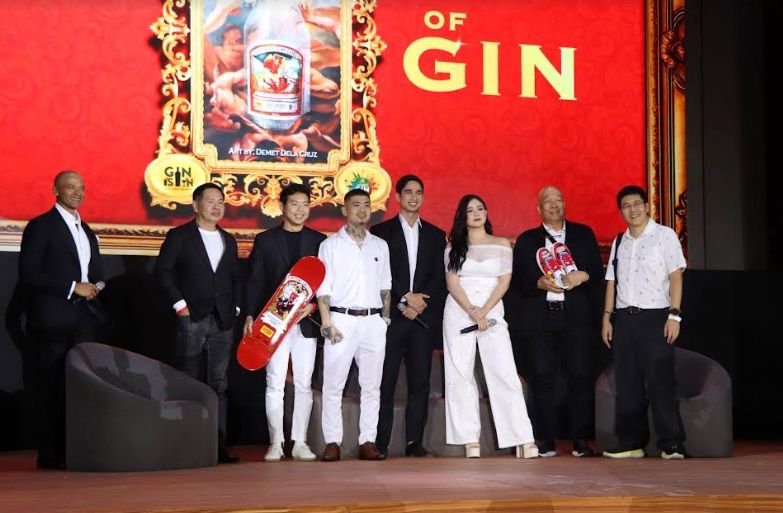
Perfectly expressing the cool, clear and versatile characteristics of gin, GSMI has unveiled its newest batch of 'Gin-is-In' ambassadors. Gin is Cool like Jayson Luzadas a.k.a. Boss Toyo of Pinoy Pawnstars, Gin is Clear like Atty. Oliver Moeller, and Gin is Versatile like actress Mikee Quintos.
World Gin Day festivities also got livelier with an actual auction of Ginebra collectibles from Boss Toyo, an amazing improv performance by SPIT Manila, Asia's premier improv theater group, and a musical performance from Ginebra San Miguel's brand ambassador and rapper Nik Makino.
June is 'Gin-Is-In' month
To sustain "Gin-Is-In" festivities, GSMI has lined up various activities in selected bars nationwide for all Saturdays of June, offering consumer promotions such as the GIN-IS IN VIP promo, a VIP card to get exclusive perks and privileges, and other promos and giveaways.
From its humble beginnings as a small distillery in Manila, Ginebra San Miguel has mastered the Art of Gin and has evolved into one of the Philippines' most respected brands today. Ginebra San Miguel has withstood the test of time, consistently embodying gin's outstanding cool, clear, and versatile qualities that lifts it above other spirit drinks.