






 Entertainment
Celebrities
Samantha Panlilio too busy to attend fashion events abroad: 'I am building an empire'
Entertainment
Celebrities
Samantha Panlilio too busy to attend fashion events abroad: 'I am building an empire'
Samantha Panlilio too busy to attend fashion events abroad: 'I am building an empire'


At A Glance
- Samantha also confirmed that she's taking her advocacy to the next level – as the second nominee of the incumbent AGIMAT party-list group in the Philippines' House of Representatives.
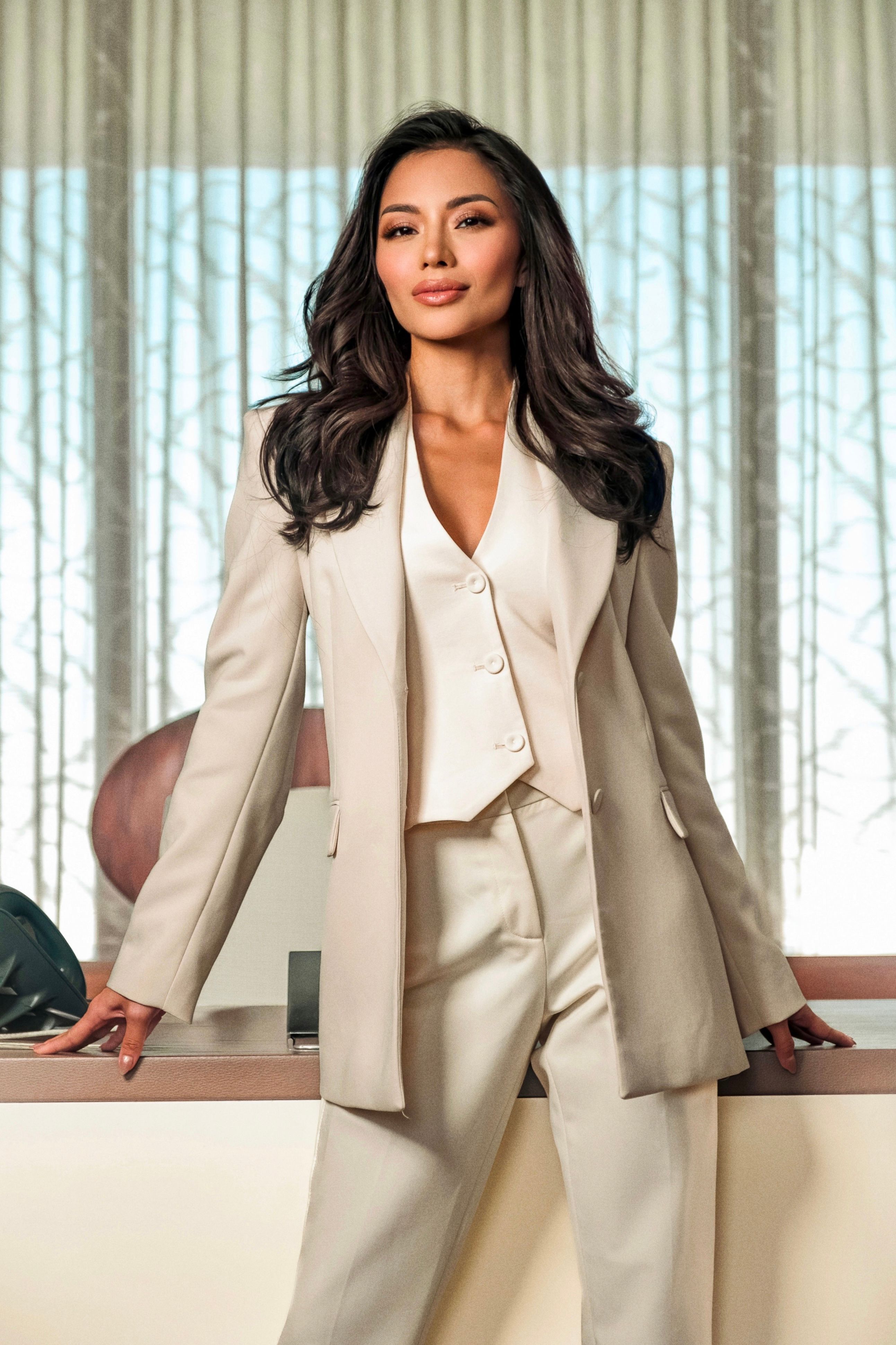
Former beauty queen Samantha Alexandra Panlilio confessed she was too occupied to attend fashion week events abroad, where some Filipino celebrities have shone on the runway.
Samantha emphasized that she harbors no objections to Filipino celebrities attending the glamorous event. She expressed pride in seeing celebrities representing the country on the international stage.
"I'm busy building an empire. I am building an empire here," Samantha said when asked if she had recently considered attending fashion week events abroad during a get-together at a hotel in Makati City.
"But I'm happy for all the Filipinos there. It's very empowering to see a Filipina on an international stage. I'm so proud of Queen P (Pia Wurtzbach). Ang galing!"
Samantha added: "We're busy right now building Friday's Boracay. I am also building a franchise in Siargao called Friday's Siargao. I'm busy with our family business."
On being an heiress, Samantha said: "It may have some bad connotations. It may sound like she's so lucky, but she's blessed, which I am not denying. I am very blessed to be an heiress, but being an heiress means you have bigger responsibilities.
"Since I was 10, I have been joining family business meetings. A lot of our business meetings consist of talking business as well. So sometimes, I have to put my family business over my knees. There are also struggles with it, but it's blessed to be stressed," Samantha said.

Journey to pageants
Samantha, 28, rose to fame when she was crowned Bb. Pilipinas Grand International 2021. In 2023, she joined the Miss Universe Philippines Competition where she finished in the Top18.
On learnings and realizations about pageants, Samantha said: "In pageantry, that's when you invest yourself. You have to prepare yourself, from your hair down to your personality. But the biggest lesson about joining the pageant is that you must always return to your core.
"You can get lost along the way, especially with so many people mentoring and telling you what's best for you. But then again, if you go back to your core values and purpose of why you're doing that, then you should be okay," she said.
Samantha also shared advice to aspiring pageant contestants.
"Girls should watch the culture. The Philippines loves pageantry. So, sadly, you must be ready for much criticism. But it's okay. Sometimes, you can get specific criticisms and make something of it," she said.
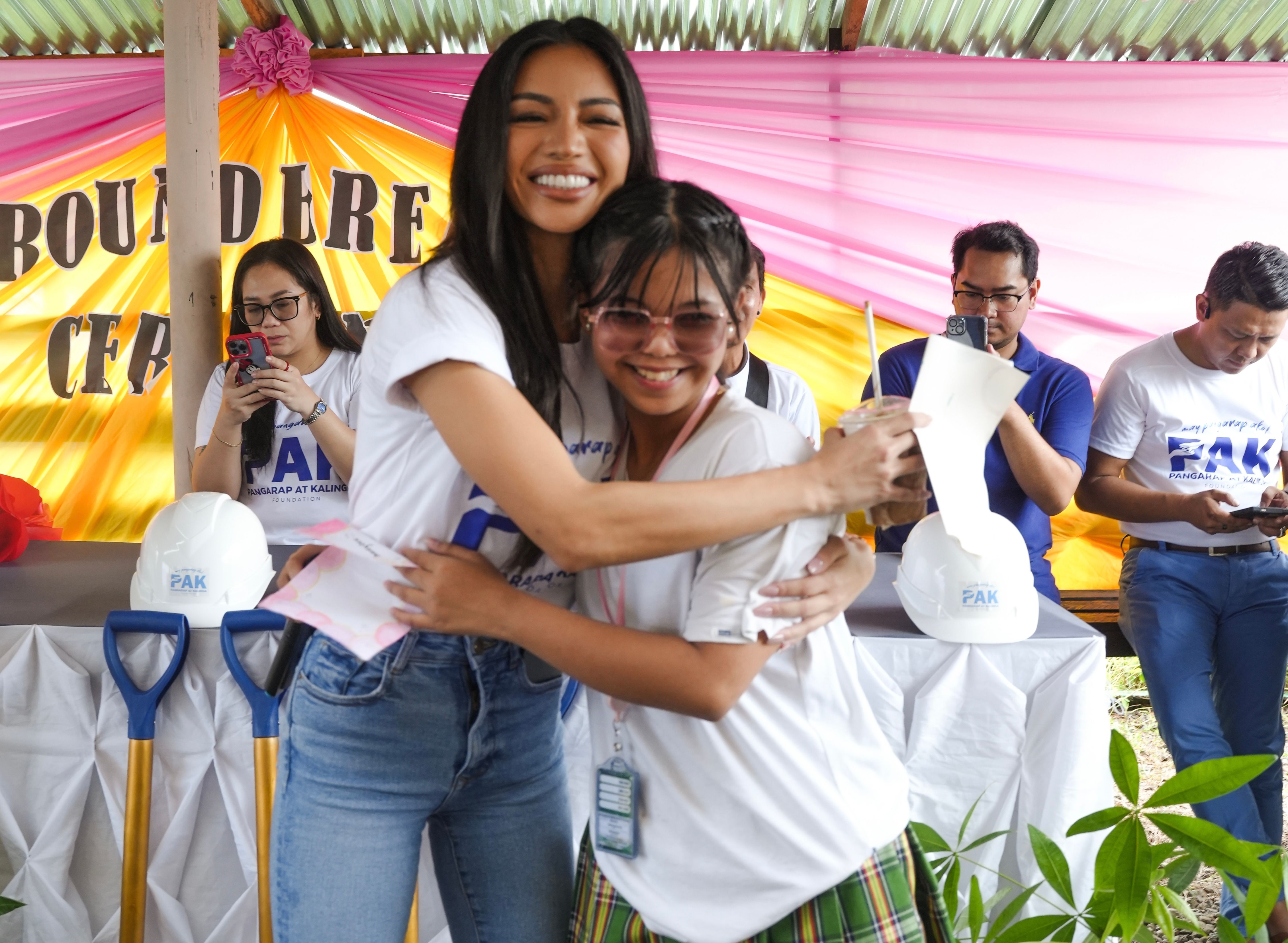
During our conversation, Samantha expressed her views on how the pageant industry is adapting to global changes and evolving trends.
"I think it's great that pageants are inclusive now. Before, you had to have a certain height and weight. Now, I love that the pageants are inclusive.
"I was subject to bash before I joined Binibining Pilipinas. I was not the tallest, yet I could still clinch a crown, which inspires other women to reach for their goals no matter where they come from and what they look like," she added.
Samantha reaffirmed that she had no feelings of remorse or disappointment about her decision to participate in pageants.
"No regrets about joining pageants. Legacy to me is very important, and I was very happy I could fulfill that in Binibining Pilipinas and then try my luck again in Miss Universe Philippines. Whatever you gain from a pageant, again, that's all up to you. So make the most of it."
At the movies
Samantha said it would be a thrill to join showbusiness. She hopes to appear in a horror film similar to "Shake, Rattle, and Roll" or romantic-comedy movies like "Pretty Woman."
"I would love to be in a horror film like 'Shake, Rattle, and Roll.' I love being scared and just the thrill of it. I always imagine myself in a funny horror film.
"The last horror movie I saw was 'Barbarian' on Netflix. It was really good and well-written as well.
"I think I have an old soul and have been watching many old movies like 'Pretty Woman.' I also love rom-coms," she said.
Youth empowerment
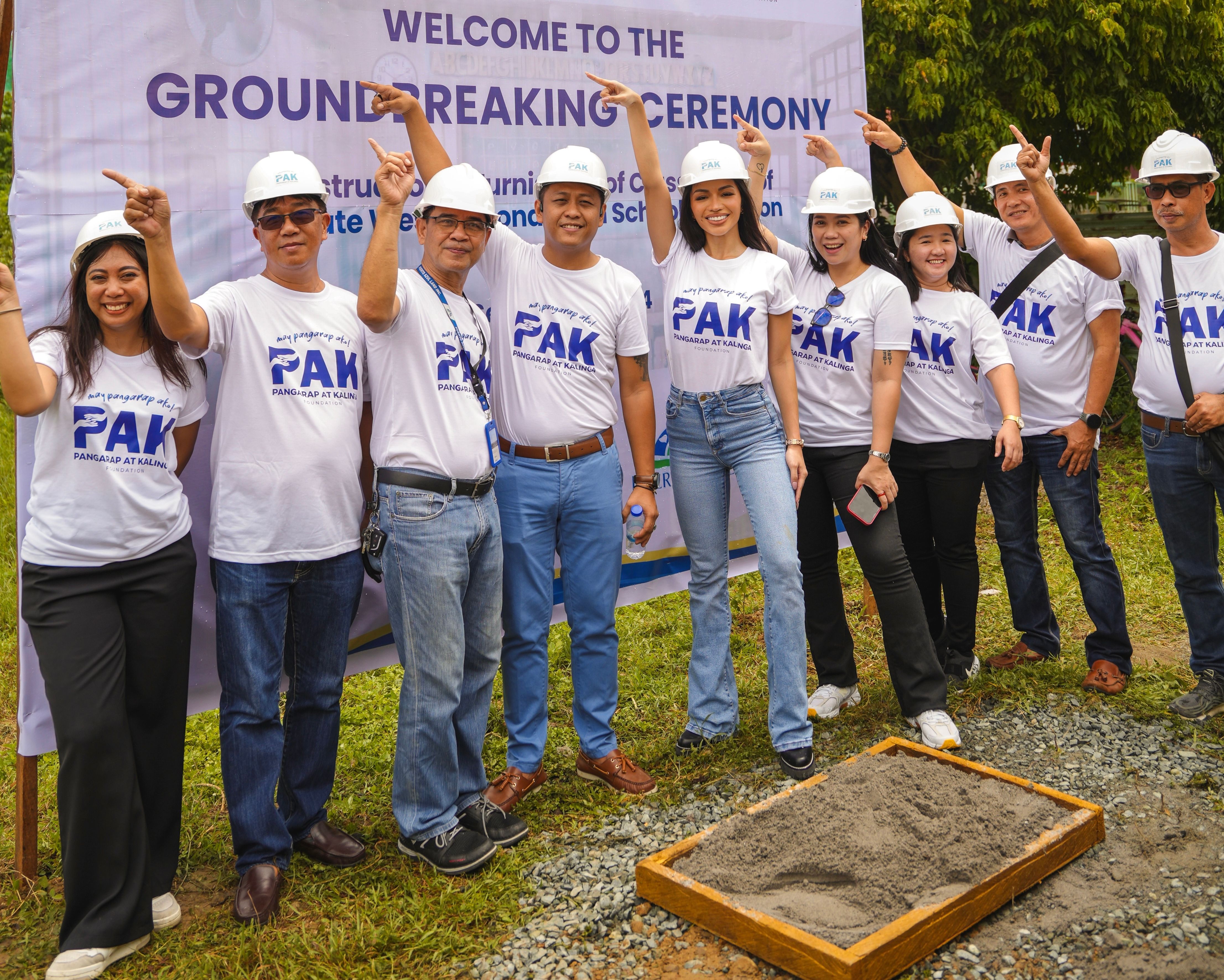
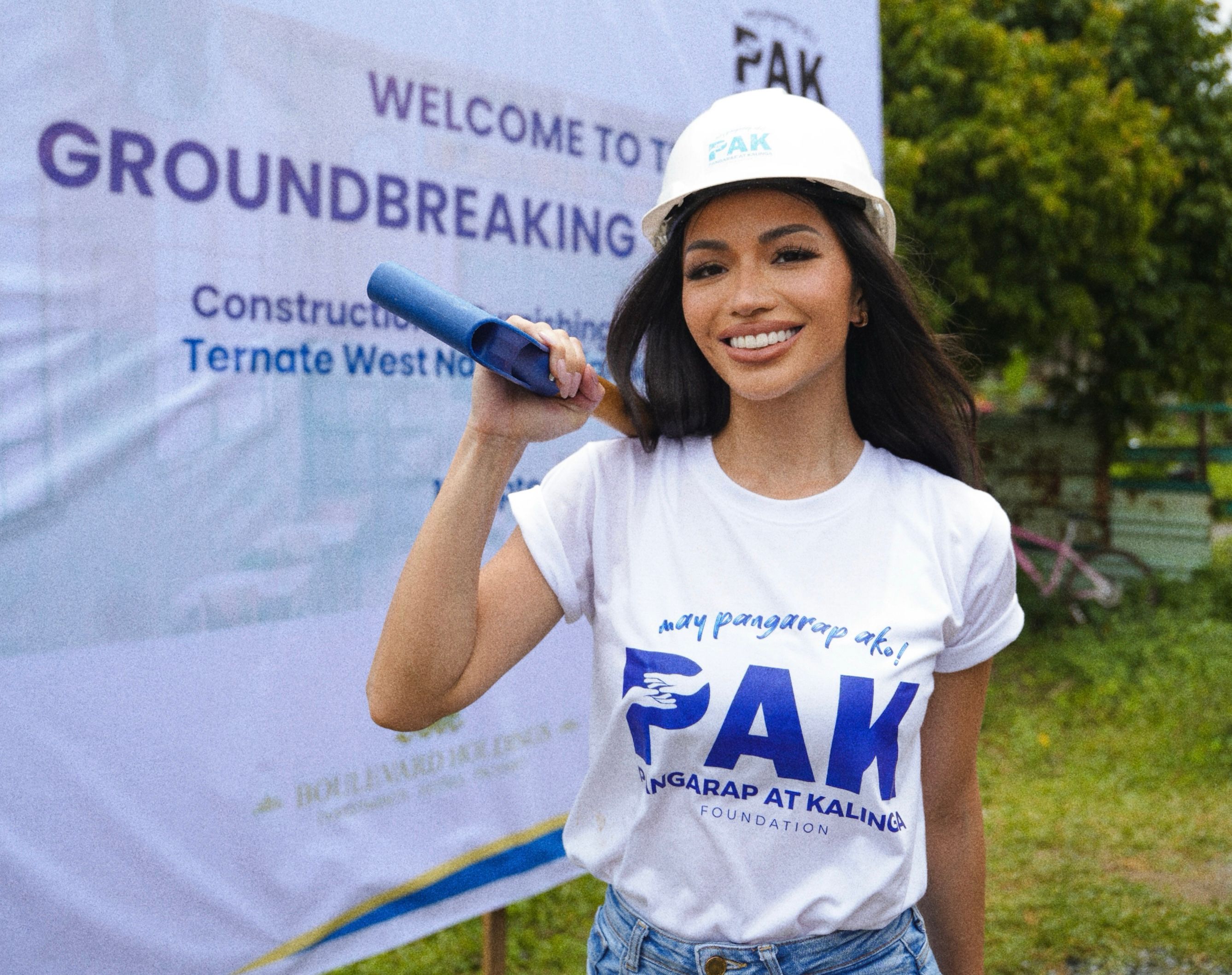
On Sept.17, Samantha took a significant step towards youth empowerment by inaugurating the Pangarap at Kalinga Foundation in Ternate, Cavite, her hometown.
This transition represented a noteworthy shift from the glamour of pageantry to the challenging realm of community development.
“Accessible education is essential in shaping the future. Children have incredible potential. I’m committed to ensuring they have the right resources to realize their dreams.
“I’ve always been proud to represent Cavite during my stint in Binibining Pilipinas. But pride and beauty aren’t enough. We need action. We need real change," she said.
Samantha also confirmed that she’s taking her advocacy to the next level – as the second nominee of the incumbent AGIMAT party-list group in the Philippines’ House of Representatives.
"I joined the pageant because my tita Myrna Panlilio was the first Bb. Pilipinas Universe. To me, legacy is important, and the same goes for my family business. It opened my doors to public service as well.
"Now that I have gotten a national title, Miss Grand Philippines, I've already done Miss Universe Philippines. Being focused on business, I want to touch beyond my business. With this platform, I think it would be a perfect mix," she also said.
On who inspired her to help others, Samantha said: "Of course, my father. Being in a corporation, he says you have to get back to the community and take care of the people who work for you as well."