







Wika: Tulay sa pagbuong bansa at pagsulong ng ekonomiya


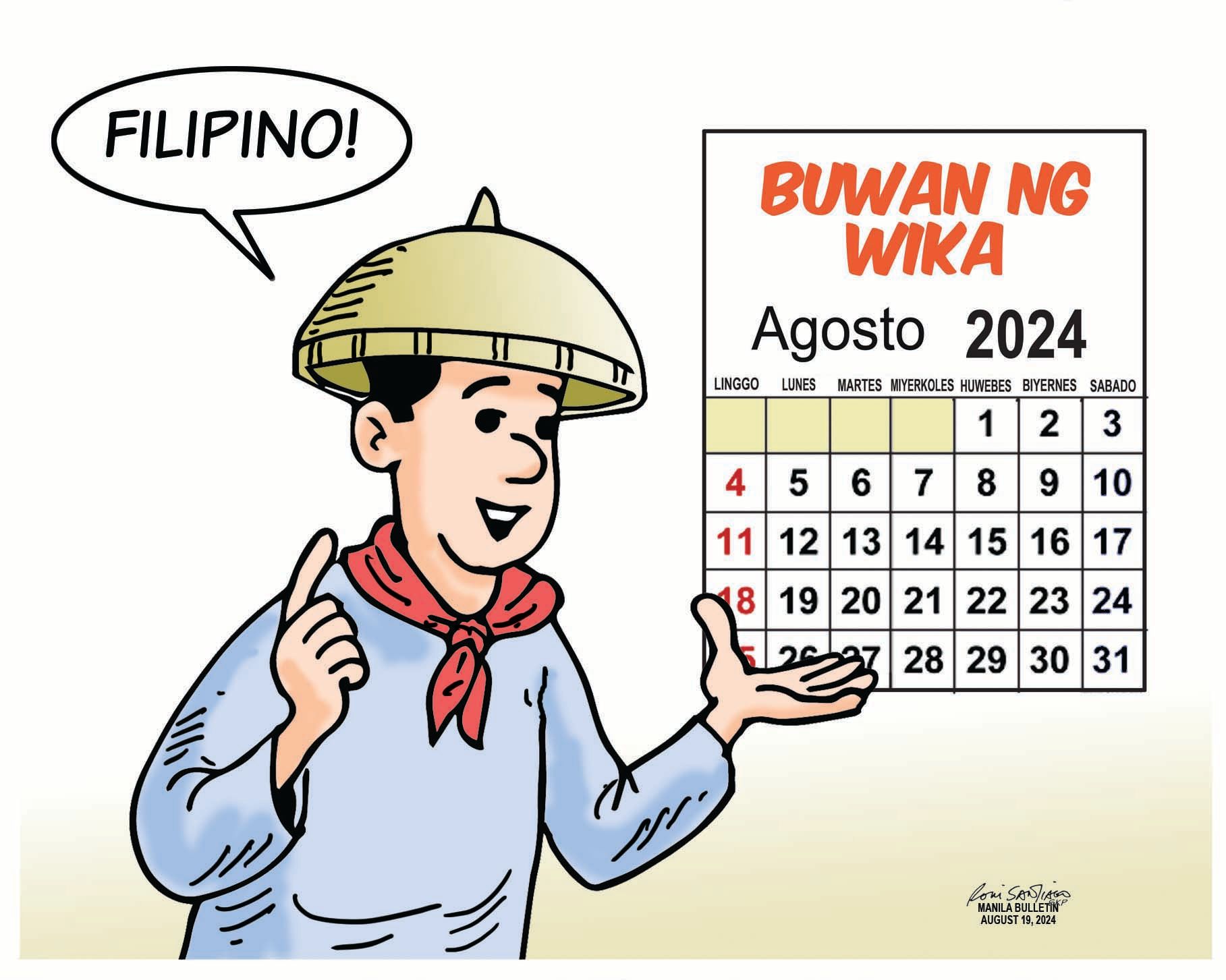
Habang ipinagdiriwang natin ang Buwan ng Wika ngayong 2024, napapanahon ang pagsuri sa kahalagahan ng pagkakaroon ng pambansang wika, lalo na sa isang multilinggwal na lipunan tulad ng Pilipinas, at kung paano ito makapagpapalakas ng pagsulong ng ekonomiya at magsisilbing pwersa ng pagkakaisasa pagbuo ng bansa.
Ang pambansang wika ay higit pa sa isang paraan ng komunikasyon; ito ay simbolo ng identidad, kultura, at pamana. Ito ang sinulid na nagbubuklod sa iba't ibang etnisidad, kultura, at tradisyon ng isang bansa. Para sa Pilipinas, ang wikang Filipino ay kumakatawan sa kolektibong tinig ng isang bayan na may pinag-isang kasaysayan at iisang kinabukasan. Ang pagdiriwang ng Buwan ng Wika ay nagpapatibay sa kahalagahan ng iisang tinig na ito sa pagpapaunlad ng pambansang dangal at pagkakaisa.
May mahalagang papel ang pambansang wika sa pagpapaunlad ng edukasyon, pamahalaan, at ekonomiyang partisipasyon. Ang edukasyon sa pambansang wika ay nagsisiguro na lahat ng mamamayan, anuman ang kanilang rehiyonal na pinagmulan, ay may akses sa pagkatuto at kaalaman. Ito ay lalong mahalaga sa pagsulong sa mga programang nakatuon sa pag-angat ng kabuhayan ng mga hikahos at maralita. Sa pamamagitan ng pagpapalaganap ng karunungang bumasa’t sumulat sa pambansang wika, tinutulungan ang mga Pilipino na magkaroon ng mga kasanayan na kinakailangan upang ganap na makibahagi sa ekonomiya.
Higit pa rito, ang pambansang wika ay nagpapadalisa epektibong pamamahala sa pamamagitan ng pagtitiyak ng malinaw na komunikasyon sa pagitan ng pamahalaan at mamamayan. Ang mga polisiya at programang ipinaabot sa isang wikang naiintindihan ng karamihan ay mas may tsansang magtagumpay, dahil mas madali itong maipapatupad at masusubaybayan. Sa sektor ng negosyo, ang isang pinag-isang wika ay maaaring magpahusay sa kolaborasyon at inobasyon, gayundin sa pagpapadali ng kalakalan at pamumuhunan,kapwa sa loob ng bansa at sa labas nito.
Subalit, ang Pilipinas ay nahaharap sa mga malaking hamon bilang isang multilinggwal na bansa. Sa mahigit 180 wika na sinasalita sa buong kapuluan, ang pagkakaiba-iba ng wika ay maaaring magdulot ng pagkakawatak-watak sa halip na pagkakaisa. Ang mga rehiyonal na wika, bagama't mayaman sa kultural na kahalagahan, ay maaaring magdulot ng mga hadlang sa komunikasyon at pagkakaunawaan, lalo na sa mga lugar kung saan hindi dominante ang wikang Filipino. Ang pagkakaibang ito sa wika ay nagpapakita rinng mga hamon sa sistemang pang-edukasyon, kung saan maaaring mahirapan ang mga estudyante na matuto sa isang wikang hindi kanilang unang wika.
Upang malampasan ang mga hamong ito, mahalagang isulong ang isang balanseng pananaw na nagbibigay-galang sa pagkakaiba-iba ng wika habang pinapalakas ang papel ng pambansang wika. Ang pagpapalaganap ng Filipino ay hindi dapat gawin sa kapinsalaan ng iba pang mga rehiyonal na wika. Simula pa noong 2009, ipinapatupad ang isang multilinggwal na sistema ng edukasyon na nagbibigay-diin sa pagtuturo ng parehong pambansang at rehiyonalna wika. Sa ganitong pamamaraan, tinitiyak na ang lahat ng Pilipino ay makikinabang sa mga pang-ekonomiyang bentahe ng isang pambansang wika habang pinapangalagaan ang mayamang pamana ng wika sa bansa.
Dapat magtulungan ang pamahalaan at pribadong sektor sa paglikha at pagsulong ng mga polisiya at inisyatiba na nagtataguyod ng paggamit ng Filipino sa lahat ng sektor ng lipunan, mula sa edukasyon at media hanggang sa negosyo at pamahalaan.
Habang ipinagdiriwang natin ang Buwan ng Wika 2024, kilalanin natin ang kapangyarihan ng wika sa paghubog ng ating pambansang identidad at pagtulak sa ating kolektibong pag-unlad. Sa pamamagitan ng pagtanggap sa ating pambansang wika, habang pinapahalagahan ang ating pagkakaiba-iba ng wika, maaari tayong bumuo ng isang mas nagkakaisa, inklusibo, at maunlad na Pilipinas