






 Drive
Ford Philippines introduces Territory Assure+ to enhance the ownership experience
Drive
Ford Philippines introduces Territory Assure+ to enhance the ownership experience
Ford Philippines introduces Territory Assure+ to enhance the ownership experience


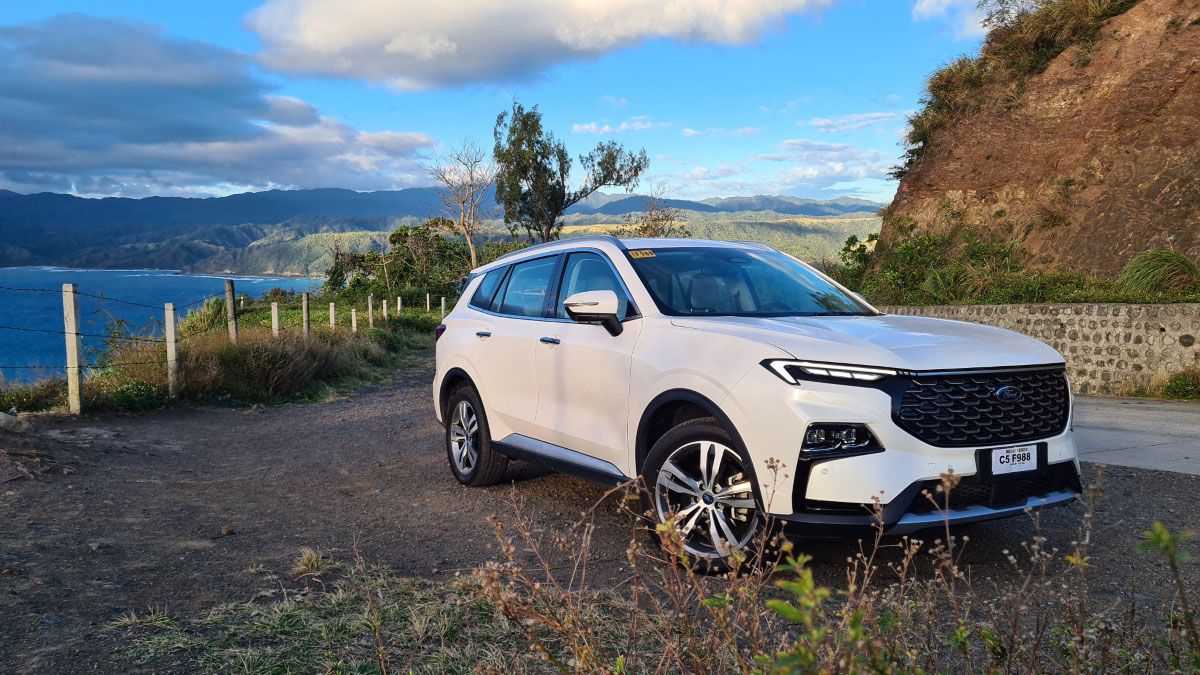
For Ford Territory owners, Ford Philippines has announced the launch of Territory Assure+, an initiative that aims to improve the ownership experience for them by offering a range of enhanced services. This initiative is available to both current and previous-generation Ford Territory owners, providing practical support for vehicle maintenance and customer convenience.
A comprehensive package for Ford Territory owners
Territory Assure+ introduces several services designed to make vehicle maintenance and ownership as straightforward and convenient as possible. These services include Express Service, free pick-up and delivery, mobility support, and improved customer support. Here’s a detailed look at each component.
Express service for fast maintenance
The Express Service program offers Territory owners a faster way to handle their vehicle's periodic maintenance. Customers can have essential service tasks completed within 90 minutes, including an exterior car wash. This quick turnaround time helps owners stay on schedule without compromising the health of their vehicles. This service is intended to be efficient and reliable, allowing owners to minimize the time spent in maintenance shops.
Free pick-up and delivery for convenient maintenance
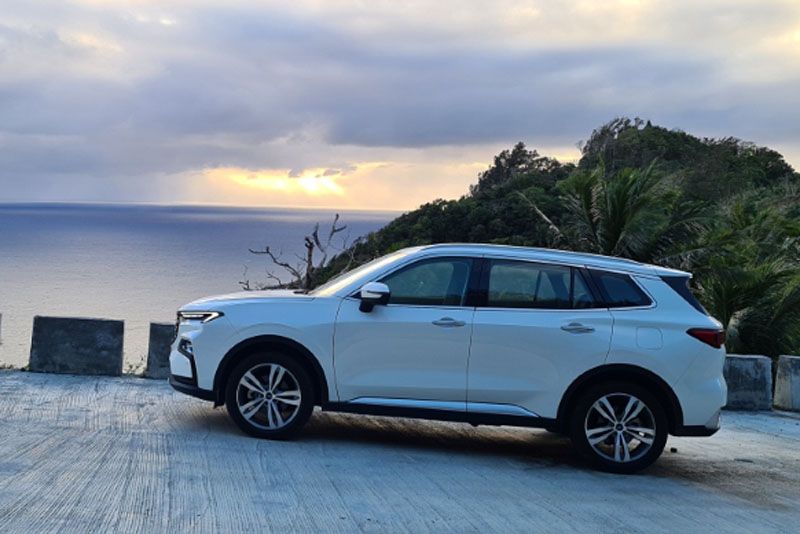
Ford is also rolling out a free pick-up and delivery service under Territory Assure+, which aims to make car maintenance more convenient. Customers can arrange for their vehicle to be collected from their chosen location and brought back after the service is completed. This service is available within a five-kilometer radius for dealerships located in urban areas, and within an eight-kilometer radius for dealerships in provincial locations. This is particularly beneficial for those whose busy schedules make visiting the dealership difficult. It allows customers to have their vehicle maintained with minimal disruption to their daily activities.
Mobility support for uninterrupted travel
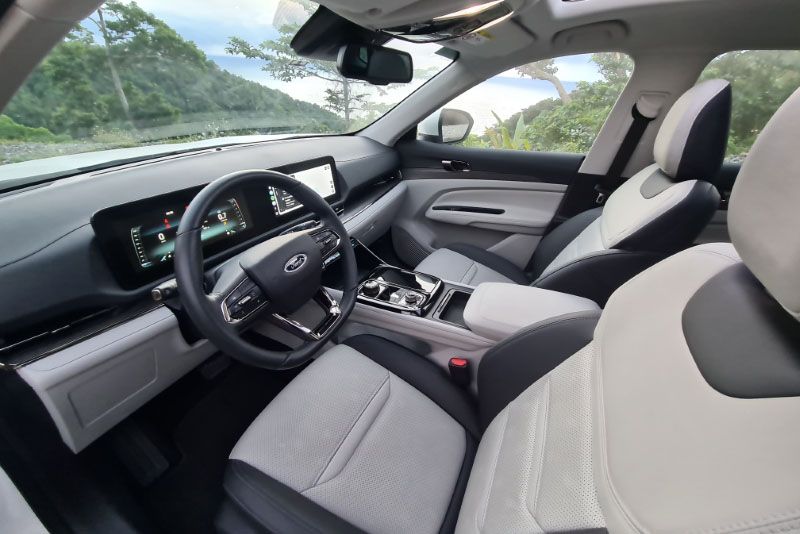
Another feature of Territory Assure+ is mobility support, which ensures that customers remain mobile even when their vehicle is undergoing repair. If the service takes more than a day, Territory owners can receive a loaner vehicle from their Ford dealership. This feature helps minimize the inconvenience caused by extended repair times, allowing owners to stay on the road and continue with their regular activities.
Improved customer support channels
In addition to maintenance and mobility services, Territory Assure+ includes enhanced customer support options. Customers can now reach out through a dedicated email address (“[[email protected]](mailto\:[email protected])”) for product or service-related queries. This provides an additional avenue for communication on top of existing customer support through hotlines and social media channels. The dedicated email is meant to streamline customer inquiries, ensuring faster and more efficient responses to concerns or questions.
Why get Territory Assure+
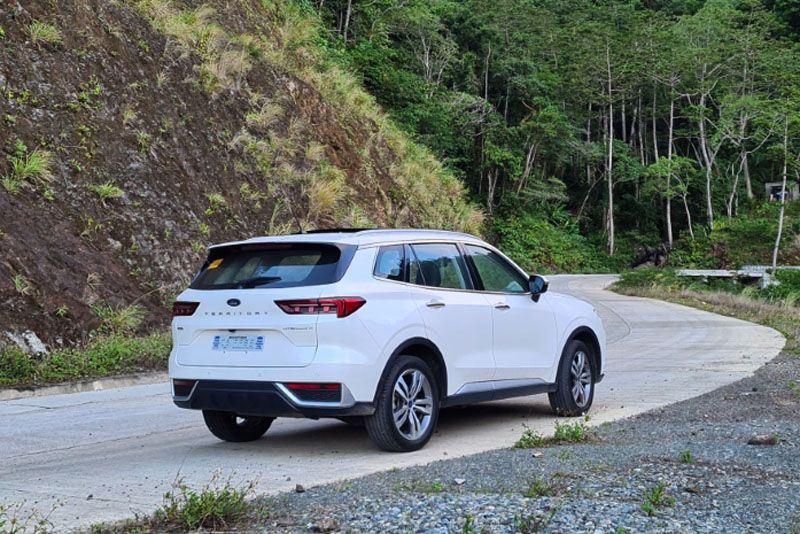
The introduction of Territory Assure+ addresses several key challenges that owners often face with vehicle maintenance, including scheduling conflicts, lack of convenient service options, and the potential inconvenience of prolonged repairs. By offering solutions like express service, pick-up and delivery, and mobility support, Ford is aiming to simplify the maintenance process and keep owners on the move, even during vehicle service periods.
The program is designed with modern customers in mind, who often juggle busy schedules and value convenience. According to Mike Breen, Managing Director of Ford Philippines, Territory Assure+ aims to provide confidence and peace of mind, allowing owners to focus on enjoying their driving experiences with family and friends without the stress of maintenance hassles.
For more information about the Territory Assure+ program, Ford Territory owners are encouraged to visit the official Ford Philippines website or contact the nearest Ford dealership.