







Style Weekend: Demure or brat
Clean girl or anti-aesthetic? Mindful or rotten right to the core? We are definitely living in a core-dominated era. But what truly makes these trends stand out is how we interpret them with our personal touch
By John Legaspi


“What We Wore” is a section that highlights our readers’ outfits, detailing the stories behind how they layer, pair, and accessorize each piece. If you’d like us to feature your unique sense of style, post a photo of your look on social media and use the hashtags #StyleWeekend and #SWWhatWeWore. Don’t forget to tag and follow us @styleweekend.ph on Facebook, Instagram, and TikTok. We can’t wait to see your looks!
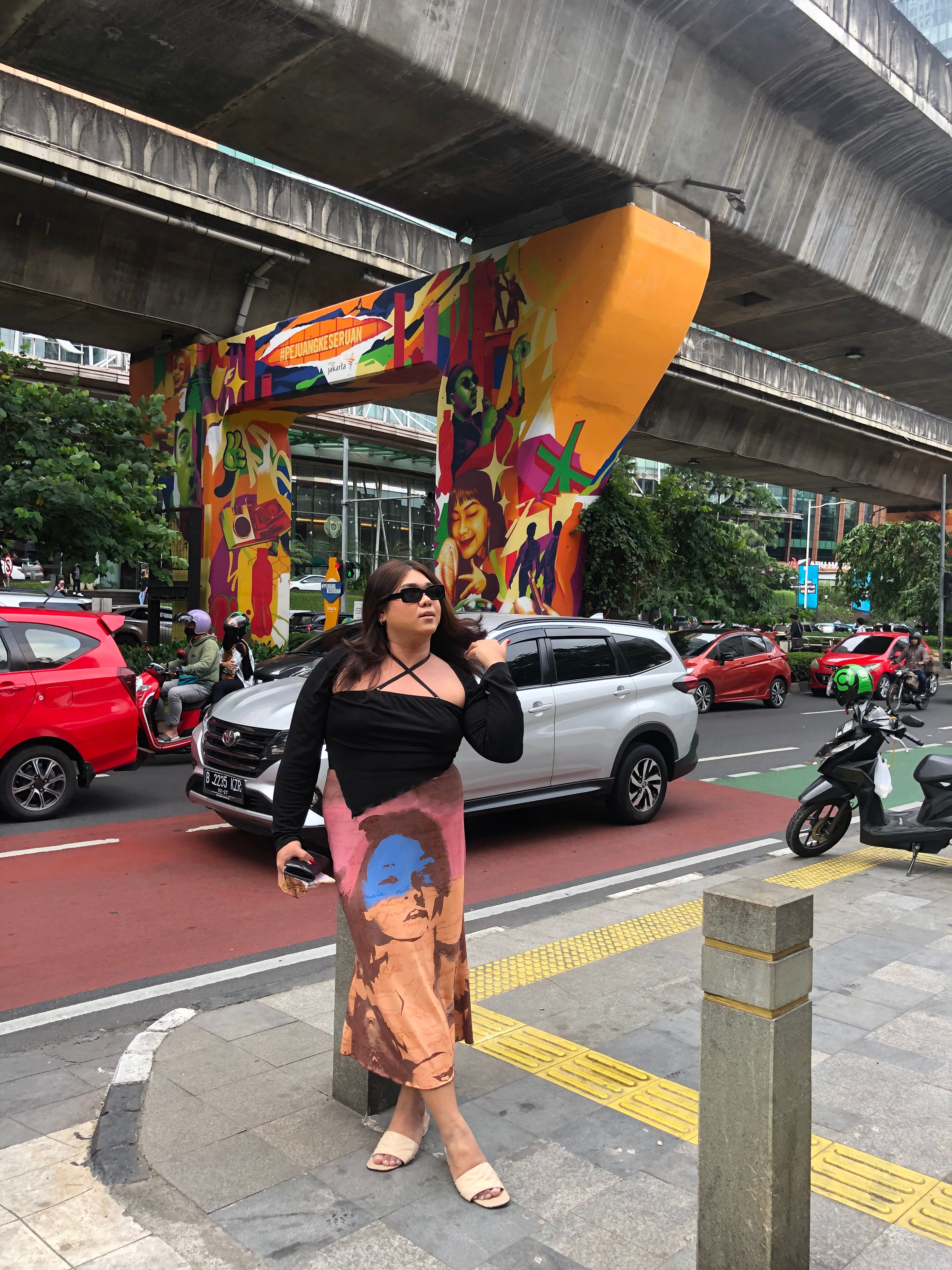
As a plus-size girl, finding my personal style and a look that flatters my body shape has been a journey. When shopping for clothes, I gravitate towards classic pieces that exude "girl boss" vibes in both color and cut. Growing up watching princesses, Barbie, and now Emily in Paris, I’ve always been drawn to colors and prints, which inspire my wardrobe choices. I strive to keep my look timeless but also playful, incorporating color in subtle ways. That’s why I love mixing and matching, from prints to patterns and textures. My #StyleWeekend often involves checking out a new café or restaurant I discovered on TikTok, catching up with friends over drinks at St. Louis in Molito, or enjoying a staycation with my family to relax and recharge after a week full of work and deadlines as a corporate Barbie.—Carla Bautista
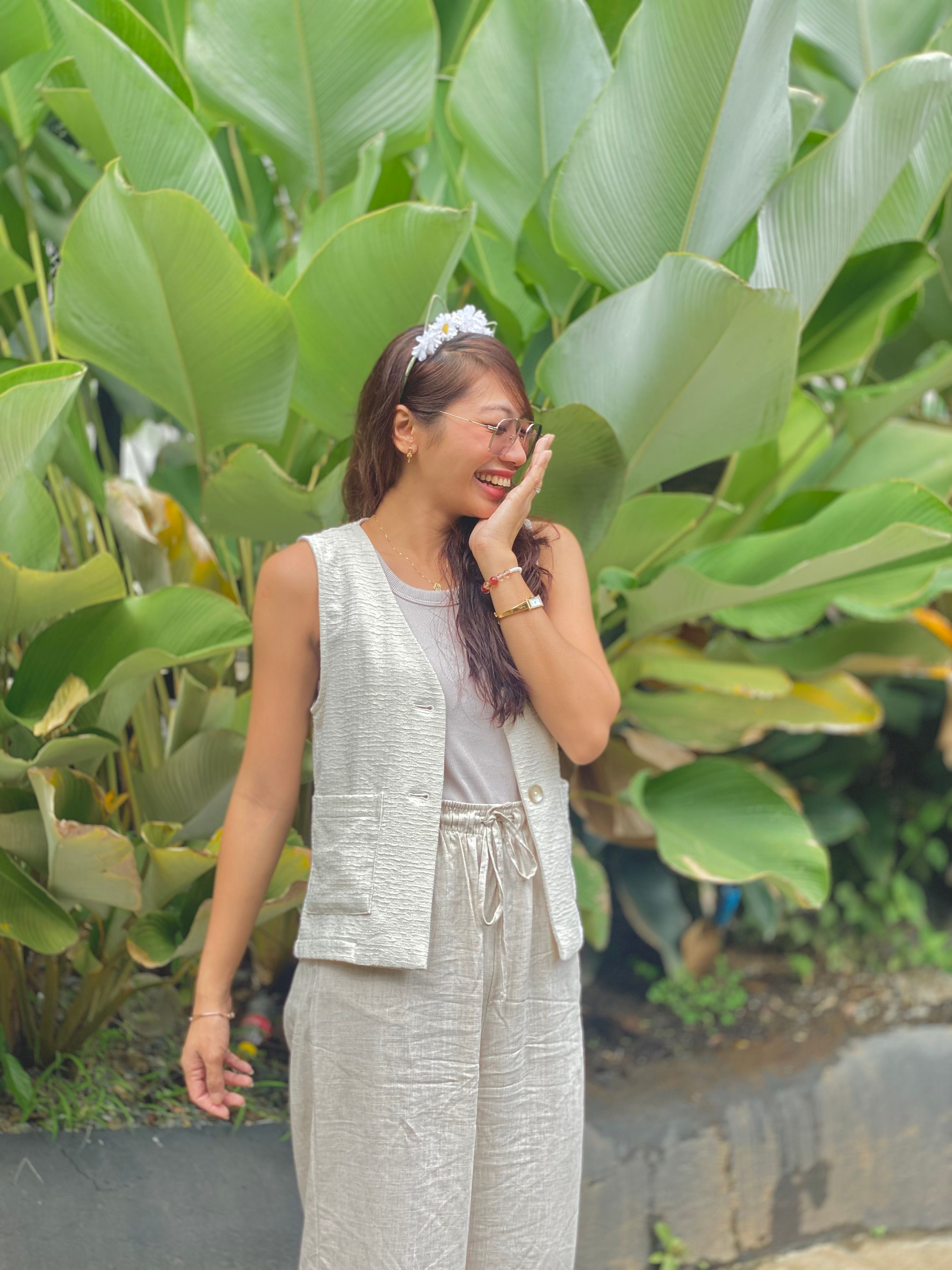
My personal style centers on comfort—I wear pieces that let me move, dance, and feel free. I also love accessories that reflect my personality. For me, comfortable clothes mean more confidence. My #StyleWeekend is all about resting and spending the day lounging with my pets after a week of teaching kids. I might go for a short bike ride in the morning, then settle in to watch my favorite series. I always make sure to take time for myself so I can be ready for the week ahead.—Jappy
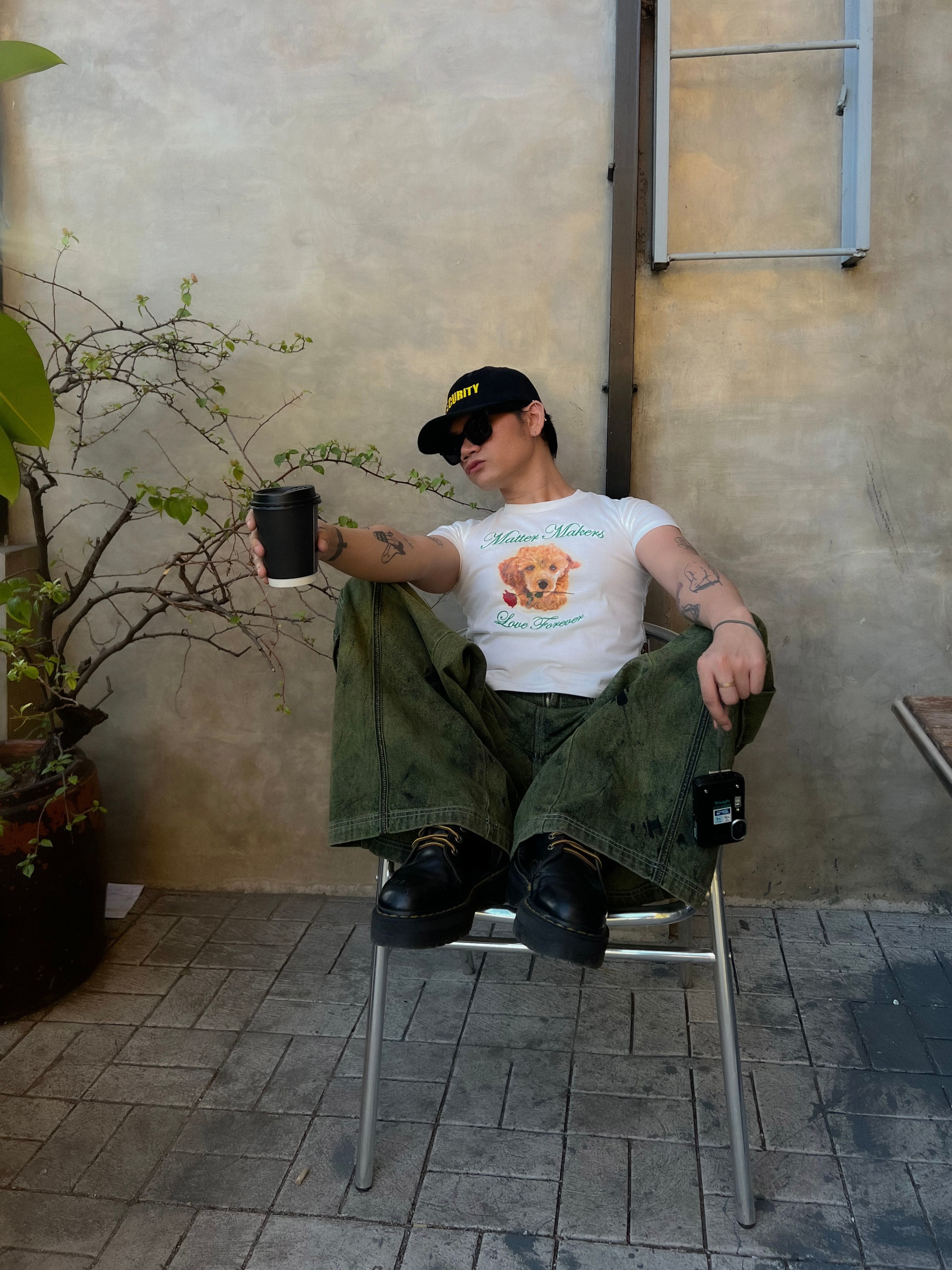
My style is a blend of timeless classics and modern edge, balancing masculine lines with a touch of fluidity. I gravitate toward neutral tones and pieces that transition seamlessly from day to night, with a special appreciation for well-tailored outerwear and unique accessories. I aim for outfits that exude confidence, a hint of grunge, and a bit of attitude that matches both my personal vibe and my work. So, essentially, you won’t catch me in public without my Charlotte Tilbury eyeliner and YSL shades. My #StyleWeekend kicks off with a coffee run in my favorite cozy tank or crisp tee. Coffee in hand, a white top, and a classic pair of Levi’s—that’s basically my weekend uniform. I love exploring the city’s coffee scene, stopping by random spots that catch my eye for fresh inspiration. There’s usually some shopping involved too, whether I’m picking up something new for my wardrobe or scouting the perfect piece for an upcoming shoot or event. Evenings are for winding down with friends, checking out a new spot, or just chilling at home with my cats. My weekends are all about relaxing, recharging, and connecting with the people and things that keep my style grounded and real.—Garett Flores
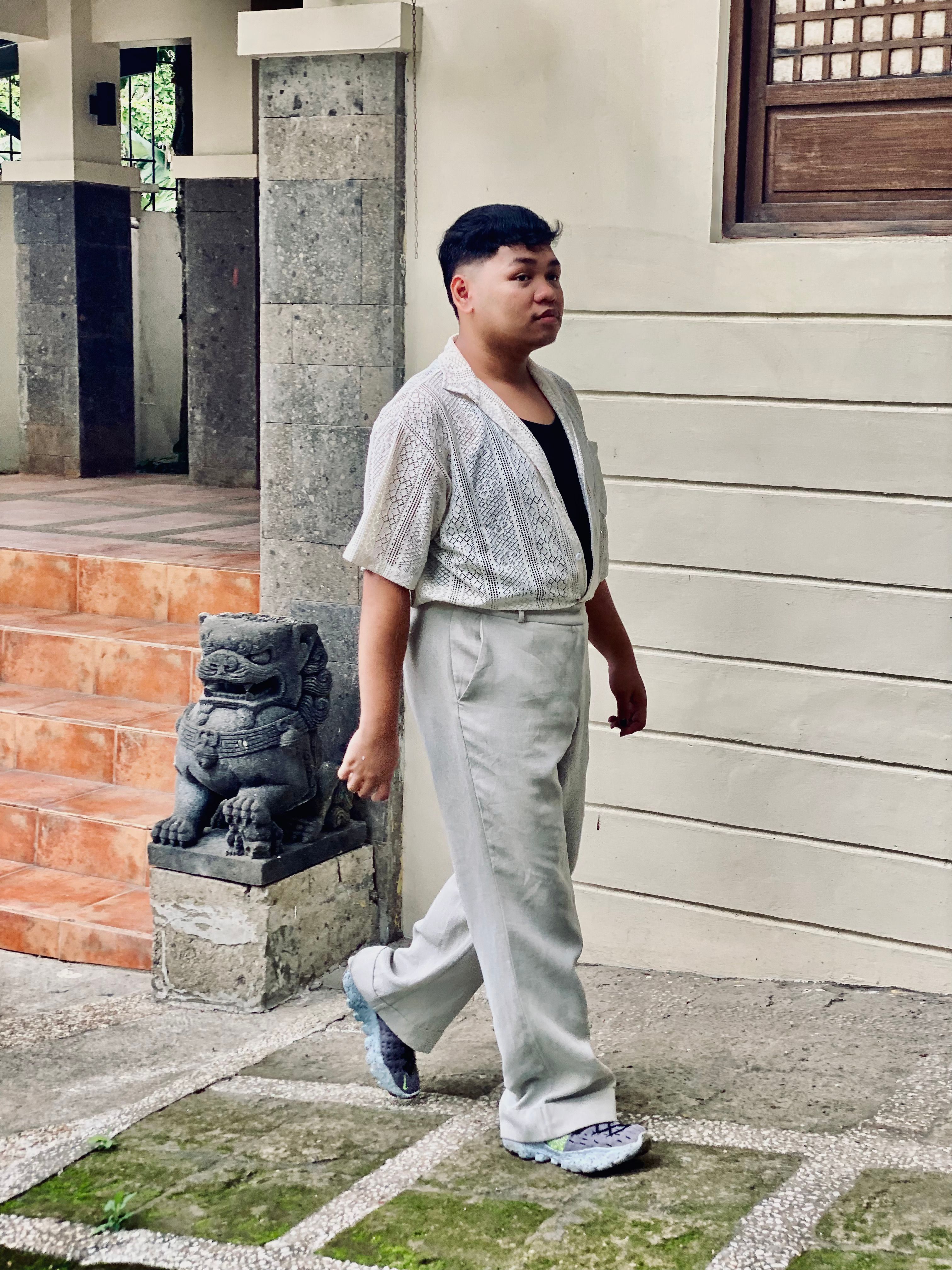
I like wearing outfits that look cute together, especially in how the colors complement each other. I aim for a style that’s both fun and comfortable. My #StyleWeekend usually starts with planning my outfits for the week, considering the mood I want to convey through color. The hardest part? Getting the shoes right!—Nathan M.
Hello, readers! Do you have a story you want us to feature? You can—reach us via [email protected] or on Facebook, Instagram, and Tiktok.