






 Entertainment
Celebrities
MOVIEGOER: QCinema project market offers huge grants to filmmakers
Entertainment
Celebrities
MOVIEGOER: QCinema project market offers huge grants to filmmakers
MOVIEGOER: QCinema project market offers huge grants to filmmakers


At A Glance
- QPM serves as an industry platform connecting Southeast Asian filmmakers with funding partners, producers, and international collaborators.
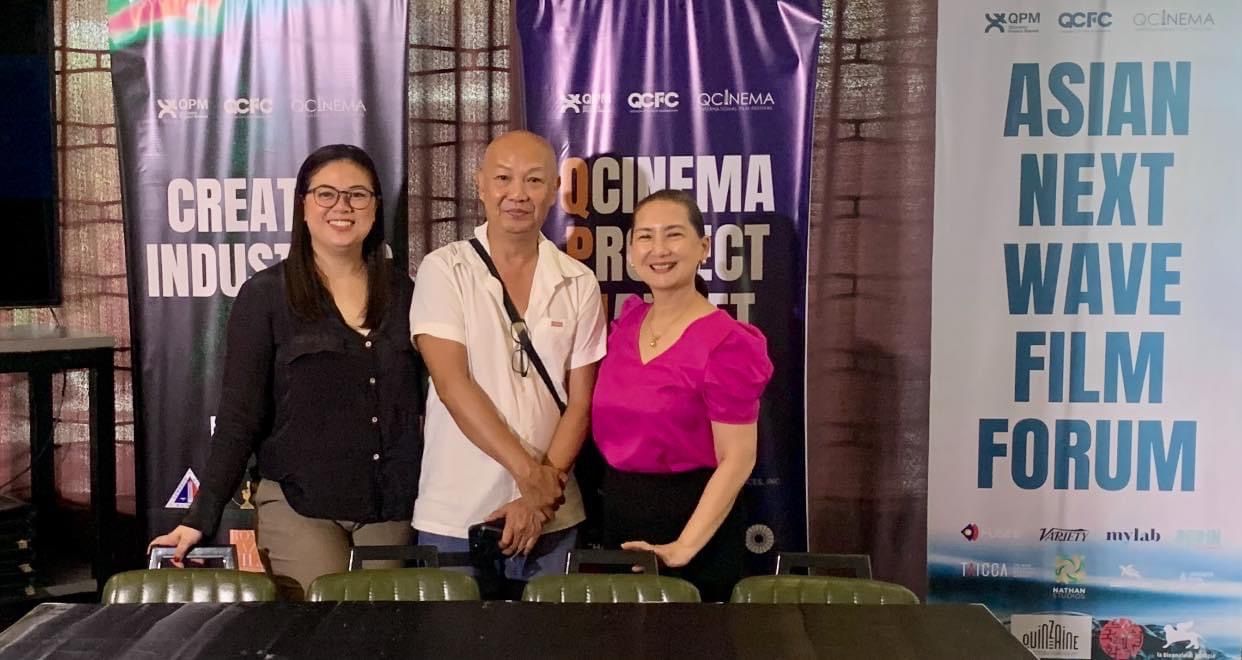
It was overwhelming. It was also mind-boggling as well as heart-stopping.
I had to catch my breath while I prepared to ask the first question at the open forum as QCinema International Film Festival (QCIFF) announced the second year of the QCinema Project Market (QPM).
The events, international film experts and personalities, facts and figures, data and more data, presented at the media con by Liza Dino and Manet Dayrit, both Qcinema chieftains, seemed too good to be true one had to pinch himself in the arm if he was merely day-dreaming.
QPM is scheduled to take place from Nov. 14 to 16, 2024.
offers filmmakers, directors, producers, and industry leaders unparalleled opportunities for collaboration, learning, and networking.
QPM serves as an industry platform connecting Southeast Asian filmmakers with funding partners, producers, and international collaborators. The market facilitates one-on-one meetings, project presentations, and exclusive networking events for feature film projects in development.
The event aims to champion Filipino and Southeast Asian voices, bridging local talent with global opportunities through co-production grants and post-production awards. With its carefully curated lineup of projects, QPM offers critical support to ensure these works are brought to life and seen on the global stage.
“By connecting filmmakers with these investors and partners from Southeast Asia, we are driving the region’s rise as a key player in global cinema and ensuring that our stories are given the platform they deserve," said Liza Diño, Executive Director of the Quezon City Film Commission (QCFC) and the Managing Director of QCinema Project Market.
QPM is celebrated alongside Asian Next Wave Film Forum and Creative Industries Day.
The QPM awards are divided into 10 categories, providing financial support and essential post-production services.
Three Filipino projects will receive the QPM-PH Co-Production Grant, with each project awarded PHP 2,000,000. Meanwhile, the QPM-SEA Production Prize will grant PHP 1,000,000 to one outstanding Southeast Asian project and PHP 750,000 each to two others.
Post-production services also play a significant role in the prizes. The Mocha Chai Award offers post-production support worth USD 50,000, while the Kongchak Studio Award provides USD 10,000 in sound post-production services at their studios in Cambodia. Color correction services are made available through the Central Digital Lab Award which grants two projects USD 10,000, and the Barebones Award, offering four color-correction grants of USD 14,000—two each for Filipino and Southeast Asian projects. The T6xBB Award also provides USD 14,000 worth of post-production services for one Filipino and one Southeast Asian project.