







Cebuana Lhuillier Insurance Brokers hosts grand Partners' Day event
A rally towards financial security for all Filipinos
By MB Business


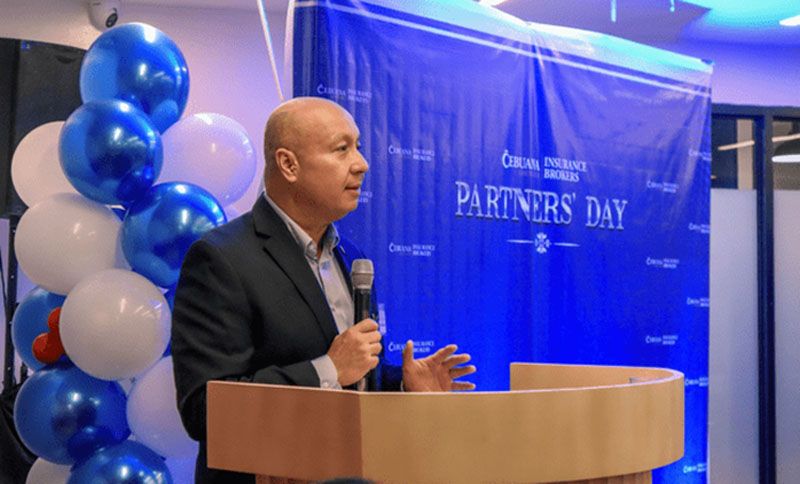
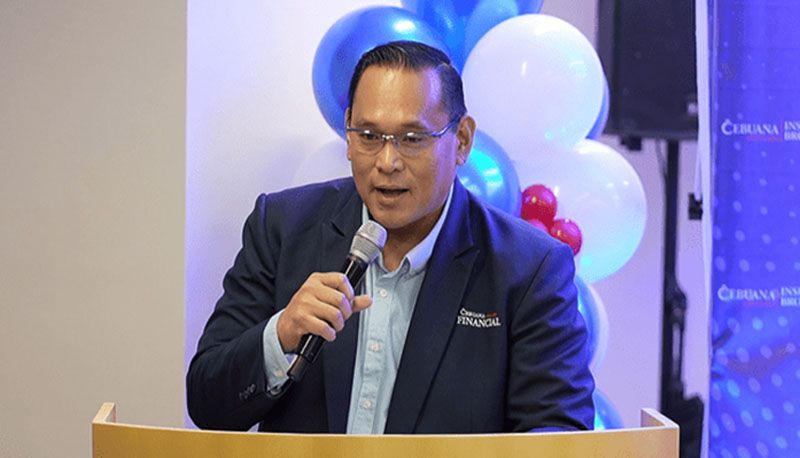
Cebuana Lhuillier Insurance Brokers (CLIB) hosted a grand Partners’ Day event last October 1, 2024 at the Cebuana Lhuillier Insurance Brokers Head Office celebrating the remarkable synergies and shared successes with its partners. This event serves as a rally towards financial security for all Filipinos, highlighting CLIB's commitment to enhancing access to insurance solutions. CLIB Partners’ Day included the blessing of its new office and featured the signing of contracts with key business partners. This landmark occasion is set to take the insurance industry by storm, establishing new standards of service and collaboration, and underscores the strength of CLIB's alliances, which play a pivotal role in delivering unparalleled insurance products to clients.
Speaking at the event, Cebuana Lhuillier President and CEO, Jean Henri Lhuillier, highlighted the significance of partnership and their collective journey: “Our path has been long and challenging. In the beginning, many people, especially within our target market, didn’t fully understand the concept of insurance. We dedicated ourselves to educating them, and it has been rewarding to witness the transformation through their testimonials. Today, we proudly offer a diverse range of products, including micro insurance, which speaks to our commitment to making insurance accessible. This new office represents more than just a physical space; it’s a testament to our shared vision. We are here to ensure that everyone in this room has the opportunity to grow. When we grow together, we strengthen our alliances and enhance our impact. Together, we can work towards providing financial security for all Filipinos.”
CLIB’s General Manager Anthony Bernabe also accentuated the significance of the occasion stating that more than just a business milestone, the celebration underlined their commitment to uplifting the lives of Filipinos. He averred, “This day is more than just about business or corporate achievements, it’s about partnerships - not just for profit, but for a deeper purpose. Together, we have the opportunity to make a difference in the lives of millions of Filipinos by providing them with security, peace of mind, and the ability to face the future with confidence. We at CLIB are committed to creating solutions that empower Filipinos from all walks of life. And we are proud to have partners who share that same passion. Through collaboration, we have the chance to develop better products and services that address the real, everyday needs of the people we serve.”
Moreover, the event was made even more memorable with the presence of Ambassador Philippe Jones Lhuillier, who took the opportunity to personally engage with the partners, fostering deeper connections and discussing exciting future collaborations that will strengthen their collective vision moving forward.
Cebuana Lhuillier Insurance Brokers’ Esteemed Partners
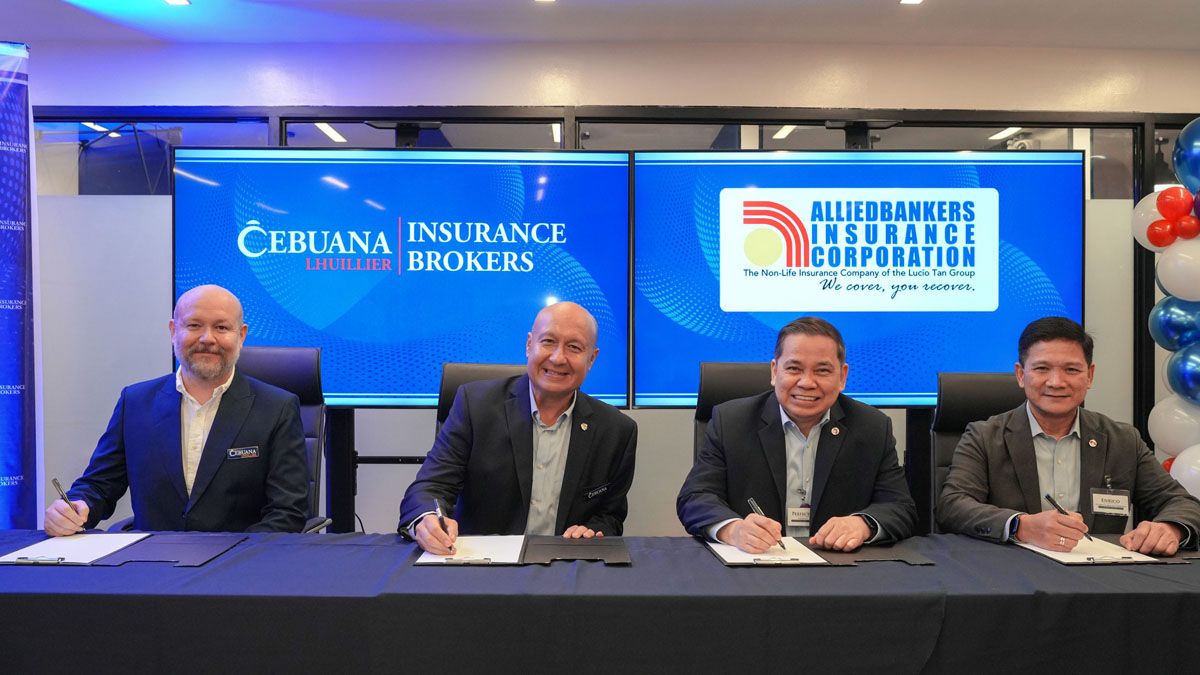
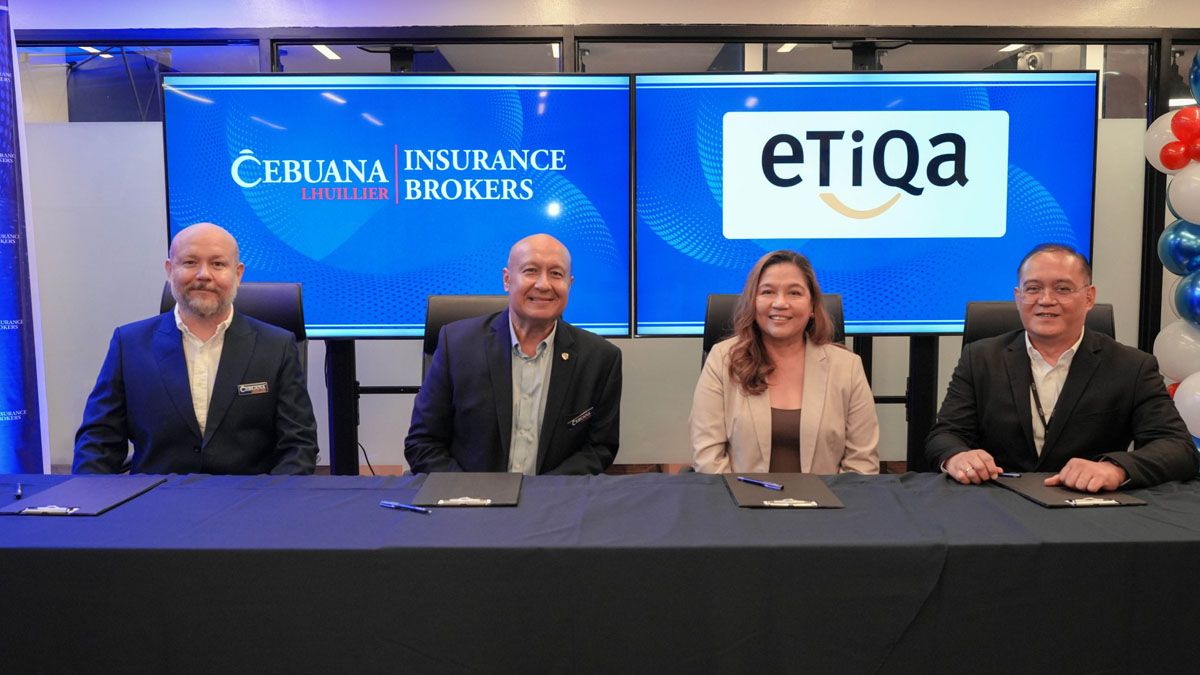
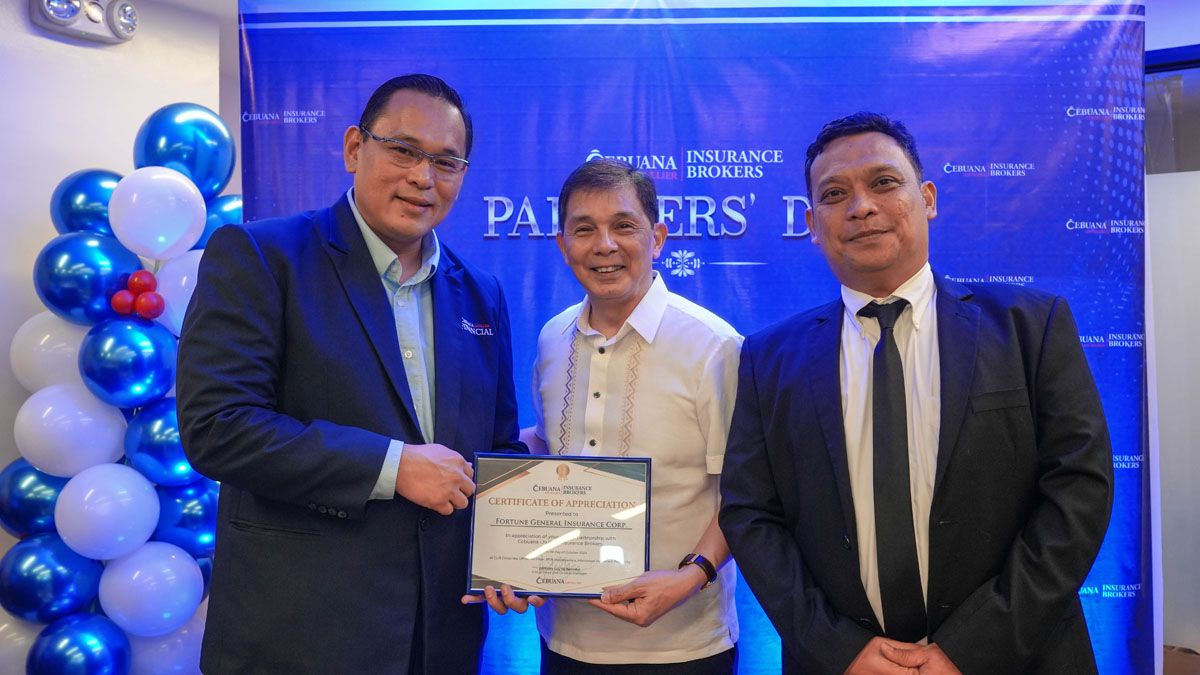
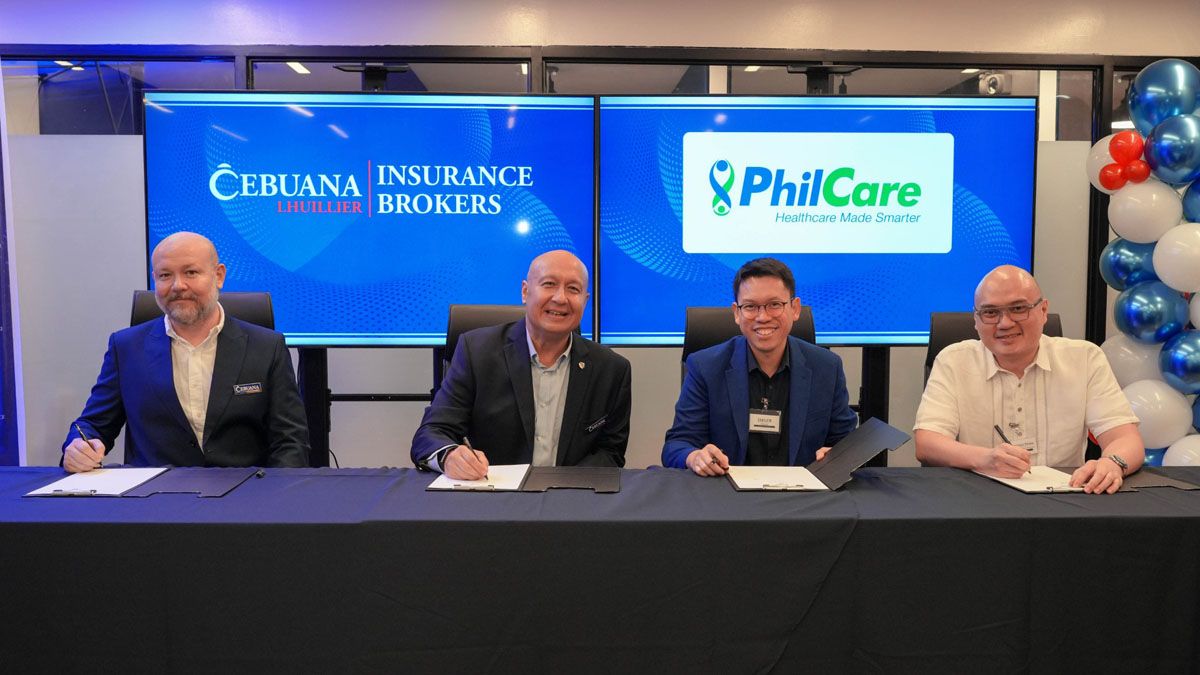
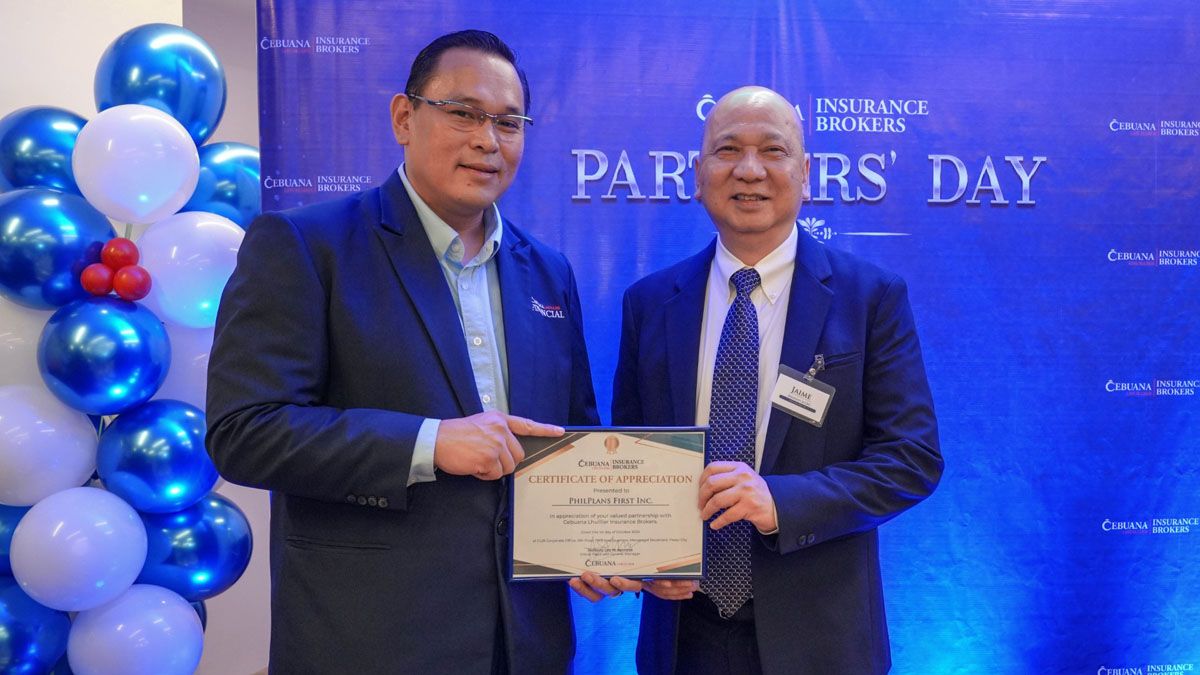
During the event, CLIB proudly acknowledged its valued partners for their unwavering commitment to excellence and innovation in the insurance industry:
AlliedBankers Insurance Corporation (ABIC) provides reliable non-life insurance solutions, covering property, casualty, and motor insurance, with a strong focus on customer-centric service.
Etiqa Philippines, formerly AsianLife & General Assurance Corporation, offers a comprehensive range of insurance solutions, including group life, general insurance, and Takaful insurance, catering to diverse market needs.
Fortune General Insurance Corporation delivers a wide array of non-life insurance products, including motor, property, and marine insurance, backed by financial strength and exceptional service.
FPG Insurance Co., Inc, a leading non-life insurance provider with a strong presence across Asia for 60 years now, specializes in property, motor, casualty, marine and personal accidents for both individuals and businesses.
Metro Pacific Health Corporation is the largest private hospital operator in the Philippines, with 26 hospitals like Makati Medical Center, Cardinal Santos Medical Center, Asian Hospital and Medical Center, Riverside Medical Center, and Davao Doctors Hospital, as well as 33 outpatient care centers, 6 cancer care centers, 2 allied health colleges, and a centralized laboratory.
PhilCare stands out with its tailored health plans and advanced technological integration, ensuring holistic healthcare for Filipinos.
Philippine Life Financial Assurance Corp., Pru Life Insurance Corporation of U.K., and The Insular Life Assurance Company, LTD. are insurance providers in the Philippines, specializing in life insurance and financial solutions to meet diverse client needs. They offer term life, whole life, and investment-linked plans, with a strong commitment to reliable protection and financial security.
PhilPlans excels in offering flexible pre-need plans for pension, education, and memorial needs, securing a better future for Filipinos.
Pioneer Insurance, established in 1954, is known for offering comprehensive and microinsurance solutions. The company provides life and non-life insurance such as property, marine insurance, casualty, and surety bonds.
Stronghold Insurance Company, Inc., known for its financial stability and customer-centric approach, has built a solid reputation in delivering dependable and affordable non-life insurance products including property, motorcar, marine, casualty, and surety insurance.
Sun Life Grepa Financial, Inc. is a joint venture between Sun Life Philippines (Sun Life) and the Yuchengco Group of Companies (YGC) offering life and health insurance, as well as investment products, to ensure financial security and peace of mind for clients.
Visayan Surety and Insurance Corporation, Cibeles Insurance Corporation, and Pacific Union Insurance Company bring decades of expertise and excellent service in providing a broad range of non-life insurance products, including property, motor, marine, casualty, and personal accident.
Cebuana Lhuillier’s Senior Executive Vice President Philippe Andre Lhuillier cannot be more proud of their roster of partners. “CLIB’s allies exemplify the highest standards in the industry. This robust network ensures that CLIB can offer comprehensive and tailored insurance products, catering to the unique needs of their clients and maintaining their commitment to exceptional service and innovation”.
The CLIB Partners' Day event showcased the vital importance of synergy within the insurance industry. Celebrating its top partners and the innovative products developed through these alliances, the event underscored CLIB's commitment to setting new standards in the industry that does not only create financial security but also fosters hope, stability, and opportunity for each and every Filipino.