







Man steals from church vehicle in Makati


By Patrick Garcia
A man was caught on CCTV cameras breaking into a service vehicle of a church and stealing various tools and equipment in Barangay Valenzuela, Makati City on Thursday, July 11.
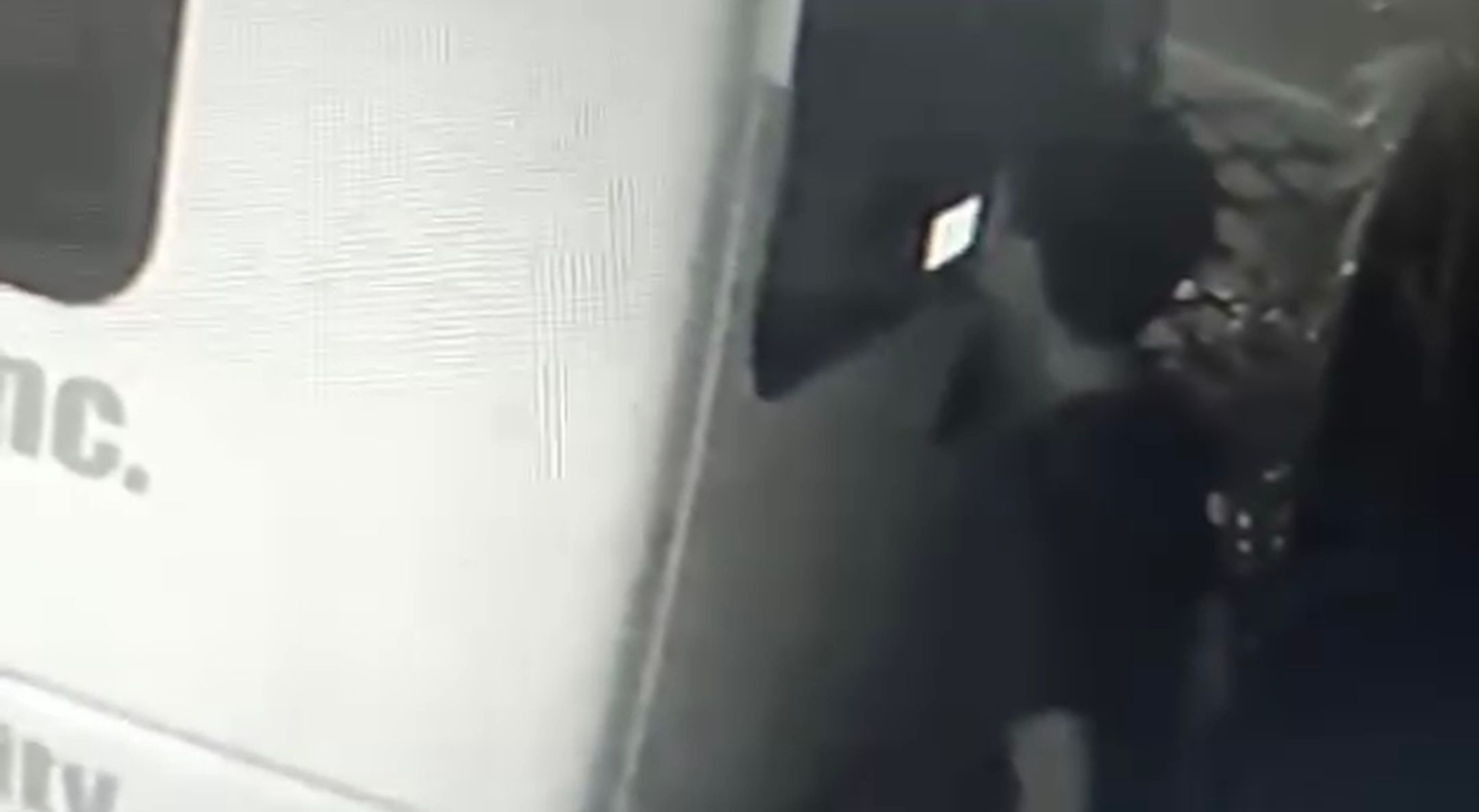

Based on the CCTV footage, the suspect used his cellphone's flashlight in searching for the things that he was planning on stealing from inside the van.
He removed his shirt to cover his face and proceeded to remove one of the van's windows and entered the vehicle.
The suspect escaped from the scene taking with him multiple tools for repairing vehicles and some equipment of the church as well as a crocodile jack.
In a television interview, Olympia Police Substation 1 OIC Maj. Allan Hernandez said this wasn't the first time the vehicle was targeted by thieves.
"Pangalawang beses na pong nakunan ng parehas ng gamit yung sasakyan na yun. Base sa impormasyon na sinabi nung may-ari, ang pinagbasehan nya sa CCTV is yung tattoo nya sa dibdib at sa kamay. Ang sabi nya eh posibleng iisa ang gumawa ng pagnanakaw (This is the second time the same vehicle was targeted by thieves. Based on the information given by the owner, he recognized the suspect as possibly the same man who stole from the van before because of the tattoo on his chest and hand)," Hernandez said.
The police are still searching for the suspect.