







Being an equal opportunity employer empowers women, LGBTQ+
By MB Business


Speaking on workplace diversity and inclusivity, Aboitiz Power Corporation (AboitizPower) highlighted the importance of being an equal opportunity employer that evaluates based on merit and performance as opposed to sexual orientation, gender identity, or any other status.
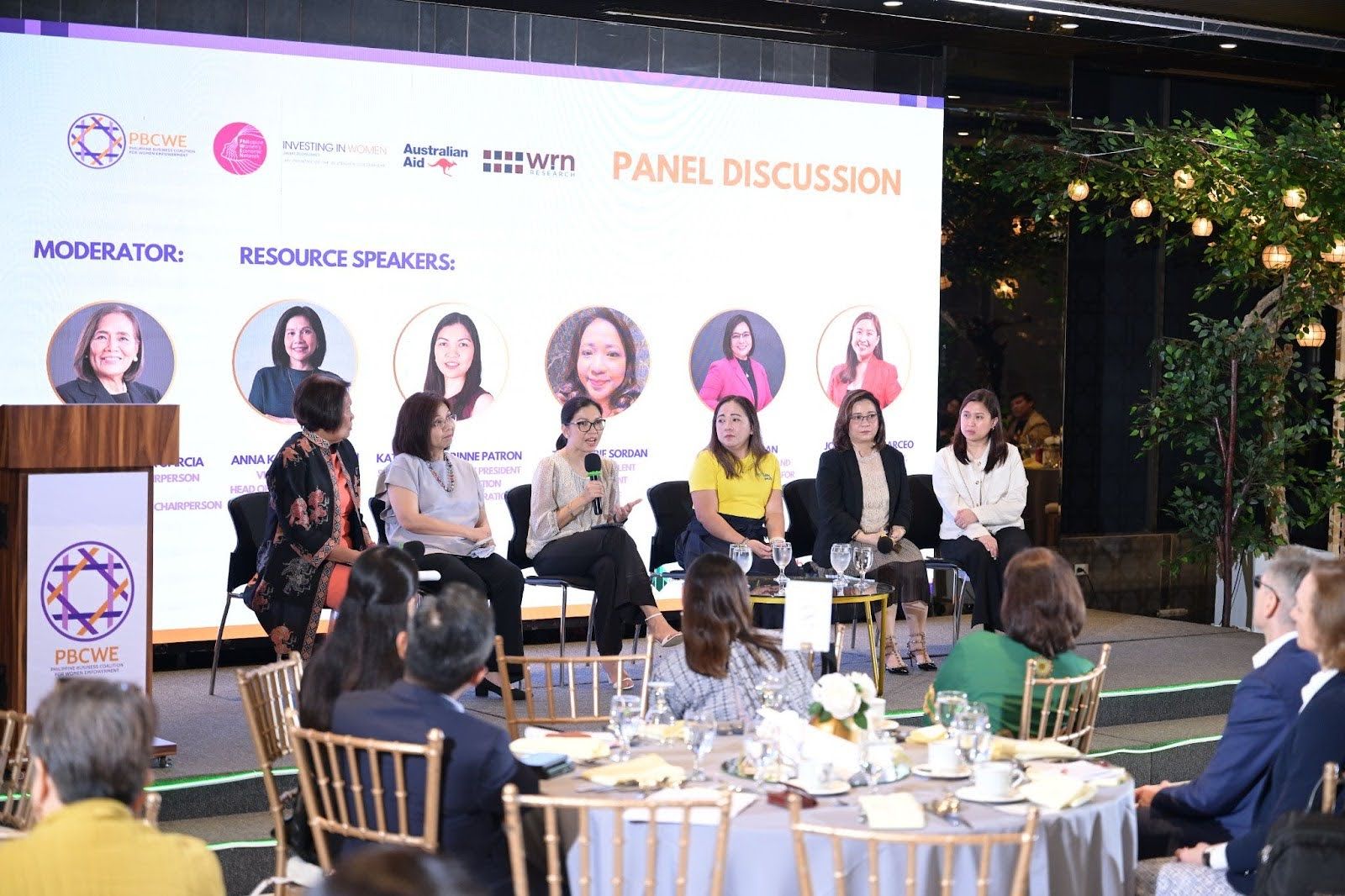
“We follow the principles of meritocracy wherein we put the right people in the role where they fit. Selection and promotion is based on merit and open competition, and we reward those who deliver,” said AboitizPower SAVP for Talent Attraction Corinne Patron. “In talent management, equal opportunity for development, upskilling, and promotion is given to all regardless of gender.”
Patron made her remarks during the launch of the “Census on Women in Executive Leadership Teams in Philippine Publicly Listed Companies”, an initiative spearheaded by the Philippine Women’s Economic Network (PhilWEN) and the Philippine Business Coalition for Women Empowerment (PBCWE).
The census found that from 2020 to 2022 the number of women in executive leadership teams in Philippine publicly listed companies increased to 40 percent. In AboitizPower, women comprised 37 percent of executive leadership and 35 percent of the managerial pool.
“The power industry is still generally seen as a male-dominated industry, making it more attractive to male talents and not so much on the female demographics,” Patron said.
“In talent attraction, we have initiatives that showcase how anyone, including women, can succeed and thrive in our industry,” she added, citing partnerships with the academe and AboitizPower-initiated information campaigns like POWERTalk and BABAEngineer.
POWERTalk is a platform that showcases employee experiences, including testimonies on diversity, equity, inclusion, and belonging (DEIB), while BABAEngineer (a portmanteau of the words “babae” or woman and “engineer”) is an integrated marketing campaign that showcases the company’s female engineers who help operate its power plants and power distribution facilities.
In the AboitizPower corporate workplace, Patron also commended how working mothers benefit from its flexible work arrangement policy, which enables a hybrid work environment for roles that allow such types of arrangement.
“By focusing on output, women with varying responsibilities can achieve a work-life balance without sacrificing career advancement opportunities… This is important for working mothers like me who are trying to balance our leadership roles and our role as mothers,” she said.
Meanwhile, AboitizPower Talent Attraction Manager Francis Cruz also talked about DEIB in the workplace but in a separate event hosted by non-profit community Philippine Financial & Inter-Industry Pride (PFIP).
“At AboitizPower, we have embedded gender diversity into our culture by implementing strategies and policies that promote equality and inclusivity across the organization,” Cruz said.
“In talent attraction, we highlight the success and potential of all our team members, including our LGBTQIA+ colleagues, through initiatives like POWERTalk and we have partnerships with academic institutions to inspire the next generation of talent in the power industry,” he added.
In 2019, AboitizPower launched its Diversity and Inclusion campaign, which aims to raise awareness, promote respect, and celebrate the individuality of minorities, all while practicing a culture of excellence and high performance. This paved the way for the development of a DEIB policy in 2023.
AboitizPower also started including domestic partners, whether common-law or same-sex, as beneficiaries in its HMO coverage for employees, supporting and valuing all forms of families and relationships.
“This proactive step enhances the well-being of our LGBTQ+ team members and their families, sending a powerful message that AboitizPower values and respects diverse family structures,” Cruz said.
“These initiatives are part of our broader strategy to create a workplace where everyone feels valued, respected, and supported. AboitizPower is dedicated to leading by example in promoting inclusivity and well-being for all team members,” he added.