







Benitez extends P2.5-M aid to MassKara kiosk tenants


BACOLOD CITY – Mayor Albee Benitez has donated P2.5-million worth of assistance to kiosk tenants affected by tropical cyclone “Kristine” and extended the MassKara Festival celebration until Oct. 31.
The five-day extension from Oct. 27 to 31 benefitted food kiosks at the Bacolod City Government Center (BCGC), Bacolod public plaza, and Megaworld The Upper East.
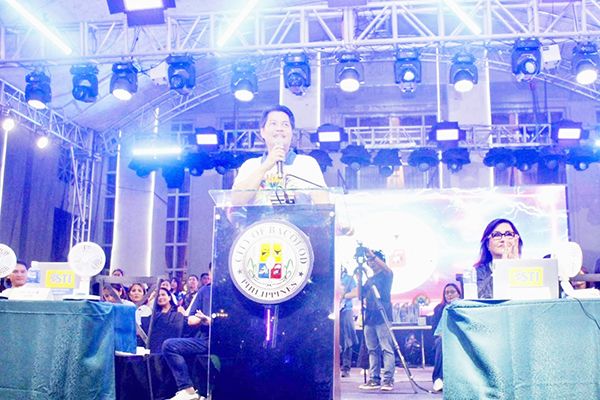
BENITEZ (Photo courtesy of Bacolod Yuhum Foundation Inc.)
Benitez expressed support to tenants who have struggled to break even due to heavy rain affecting their sales at the festival.
Rather than spending on fairs and concerts, Benitez said he allocated funds for food vouchers as assistance to enable kiosk tenants to boost their sales during the festival. The vouchers can be redeemed at food kiosks at the public plaza.
Benitez said that heavy rains in October are common. “We’ve done this in the past, so we’ve occasionally postponed the festival’s conclusion,” he said.
The mayor noted that the extension allows the people to continue enjoying the festivities dampened by the unexpected impact of Kristine.
"We’re here to give them and our visitors an exciting MassKara Festival to remember,” Benitez said.
Benitez said this year’s MassKara Festival was successful despite the impact of Kristine.
“It was truly one for the books. Even with uncooperative weather, we had record-breaking crowds during the opening weekend and no major crimes reported,” he said.
Benitez said that he is open to Councilor Jason Villarosa’s proposal to amend the city ordinance’s schedule for the highlights of the MassKara Festival held every fourth Sunday of October.
Villarosa emphasized the need to reschedule these highlights to the third week of October to avoid rain.
“Let’s wait for the city council’s decision. But if moving the dates helps us avoid bad weather during major events, I’m in favor,” Benitez said.