






 Environment and Sustainability
This envirosocial design company creates home decor items sourced from farmers
Environment and Sustainability
This envirosocial design company creates home decor items sourced from farmers
This envirosocial design company creates home decor items sourced from farmers
Hacienda Crafts shares its story of how sustainability is more than just a trend – it's a lifestyle


Sustainability is becoming a word used by a lot of companies and people promoting a greener lifestyle. Some may say it’s a trend finally catching on with everyone, but to Hacienda Crafts, this has been their motto since its inception.
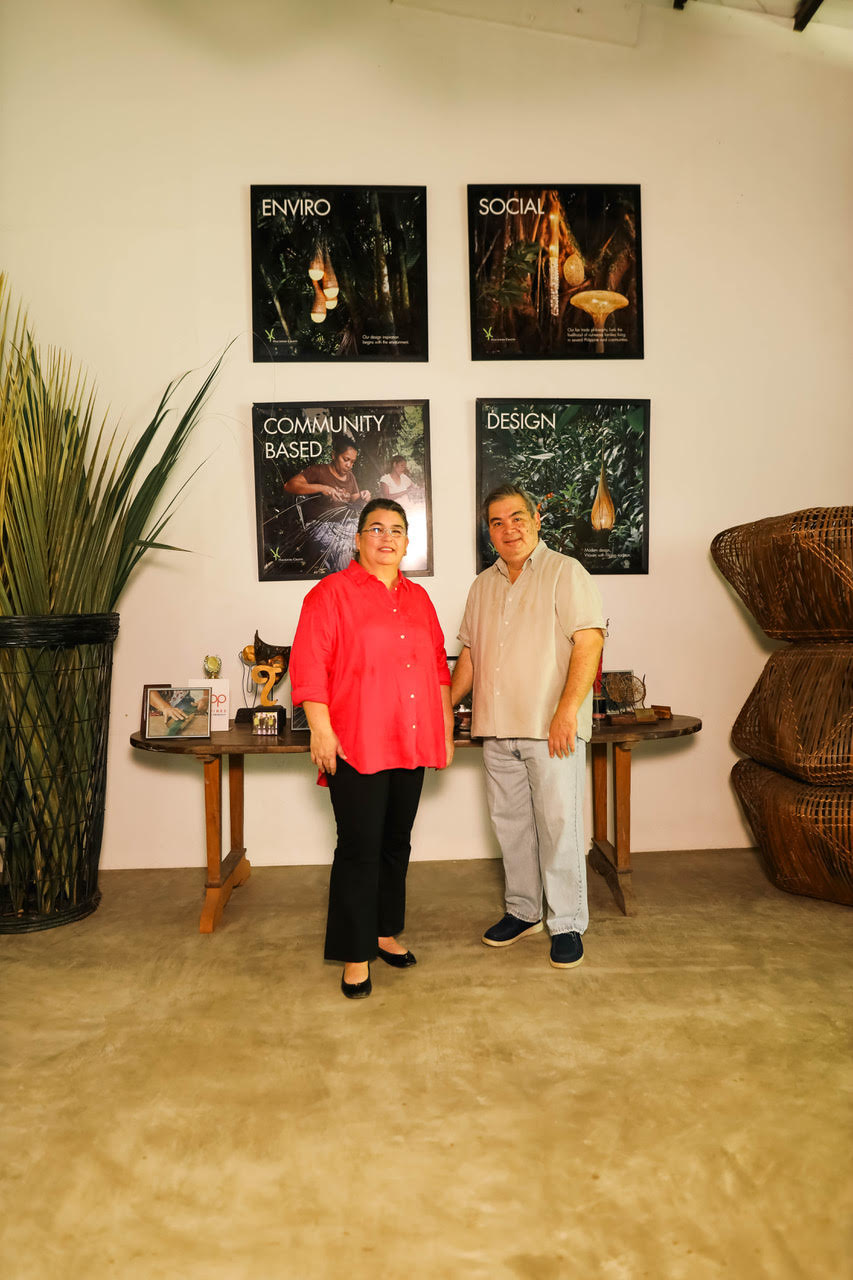
Established in 1994, Hacienda Crafts is an envirosocial design company located in Negros Occidental. Their mission is to support their community by offering income generating opportunities to produce products using natural materials sourced directly from the rural areas. They accomplish this by designing for modern living, integrating traditional craft materials and techniques in their community-based manufacturing process. Leading the company are Christina Borromeo-Gaston, the creative director and designer, and Joey Gaston, who oversees the business operations.
Joey, a fifth-generation sugarcane grower, shared that one of the challenges they faced was a socioeconomic issue where the workers were highly dependent on sugarcane farming. During the 10 to 12 month growth cycle of sugarcane, they needed to find alternative sources of income while awaiting the next growing season.
“That's why we went into crafts at that time. The advocacy of the Association of Negros Producers was to diversify from a monocrop economy and create other industries in Negros Island. We joined the association and that's where we were able to learn how to do this. At first, this was just a socio-economic project with the objective of income augmentation, then we joined the Negros Trade Fair and that's where we launched to a wider audience. We were able to establish ties with a market for export to the U.S. where it gave us a motivation to think, 'Hey, this could be something bigger,'" Joey shared.
Sustainable design and products
Design comes in all shapes and forms, drawing inspiration from various sources, each with its own unique story to tell. This is precisely what Hacienda Crafts' products offer: a blend of intrigue and inspiration drawn from nature and culture, resulting in truly remarkable creations.
With an abundance of coconut trees, they recognized the potential of this natural and renewable resource. Encouraged by a friend to create something for export, they pondered their options.
Their aim was to make a positive impact on their community, benefiting not just a few individuals, but as many as possible. They then explored other products to expand their reach, leading to the inception of items made from the coconut twig and marking the beginning of their journey in producing export-quality goods.
Initially, they focused on crafting table top items such as placemats, trays, coasters, runners, candle holders, and picture frames from coconut twigs during their first decade. Realizing the potential to extend their craftsmanship beyond coconut twigs, they spent the subsequent decade innovating their established techniques and other natural materials.
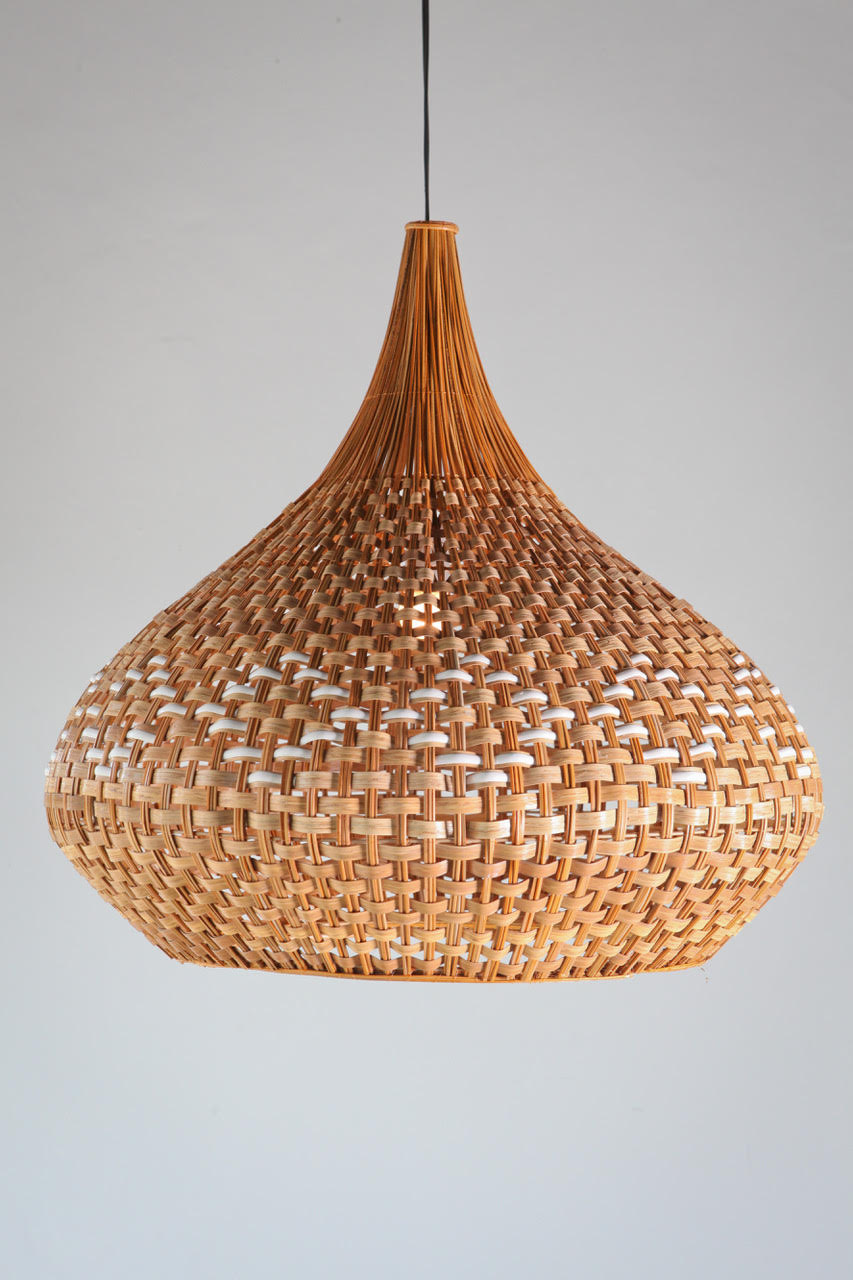
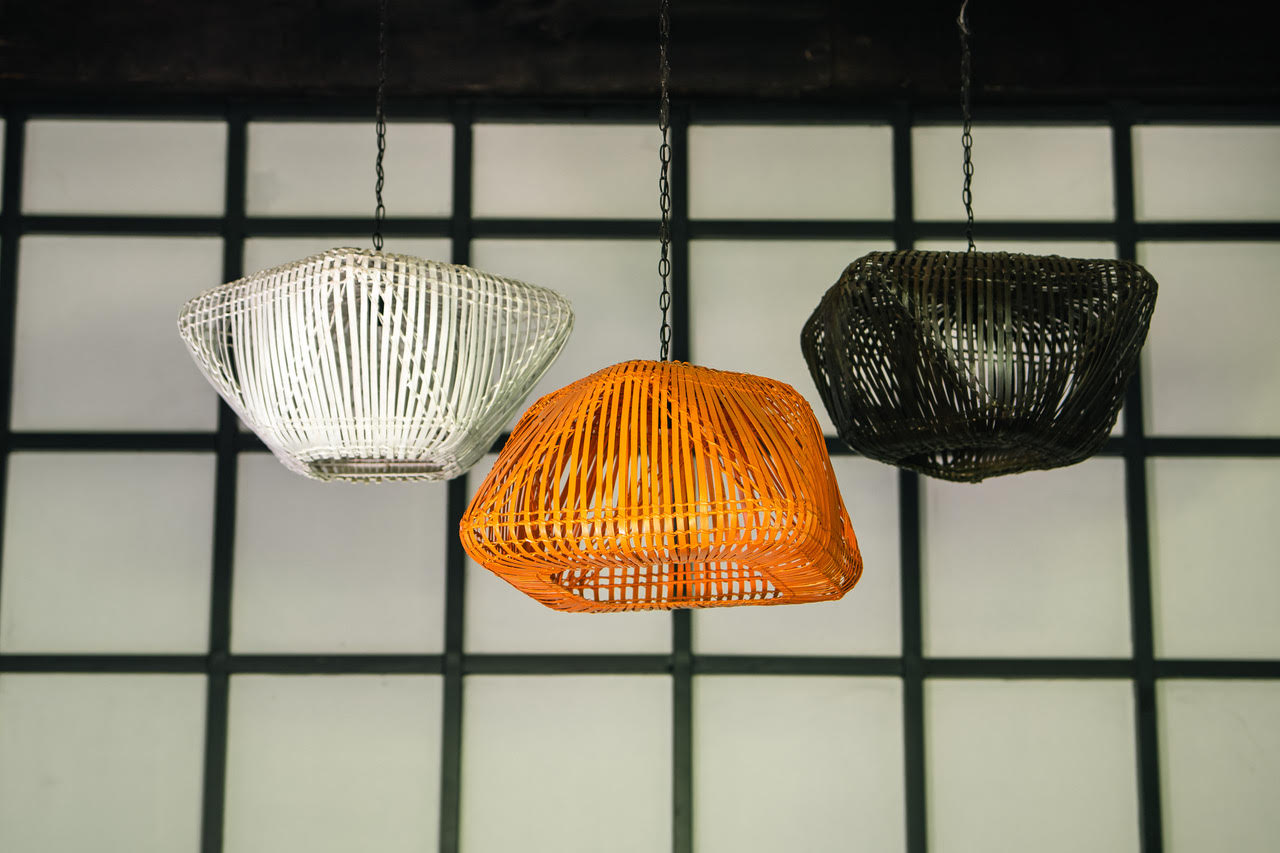
Their expansion continued into large scale projects when they positioned themselves in the furniture industry. This evolution led to the creation of accent furniture like side tables and stools, as well as lighting, which became one of their flagship product lines at Hacienda Crafts.
As an envirosocial design company, they prioritize the use of natural materials, utilizing waste materials whenever possible, which can be easily replaced and replenished. They employ environmentally friendly finishes and maintain close collaboration with local communities. Through their recent partnership with ilaw atbp., they have incorporated LED lighting solutions into their lighting products.
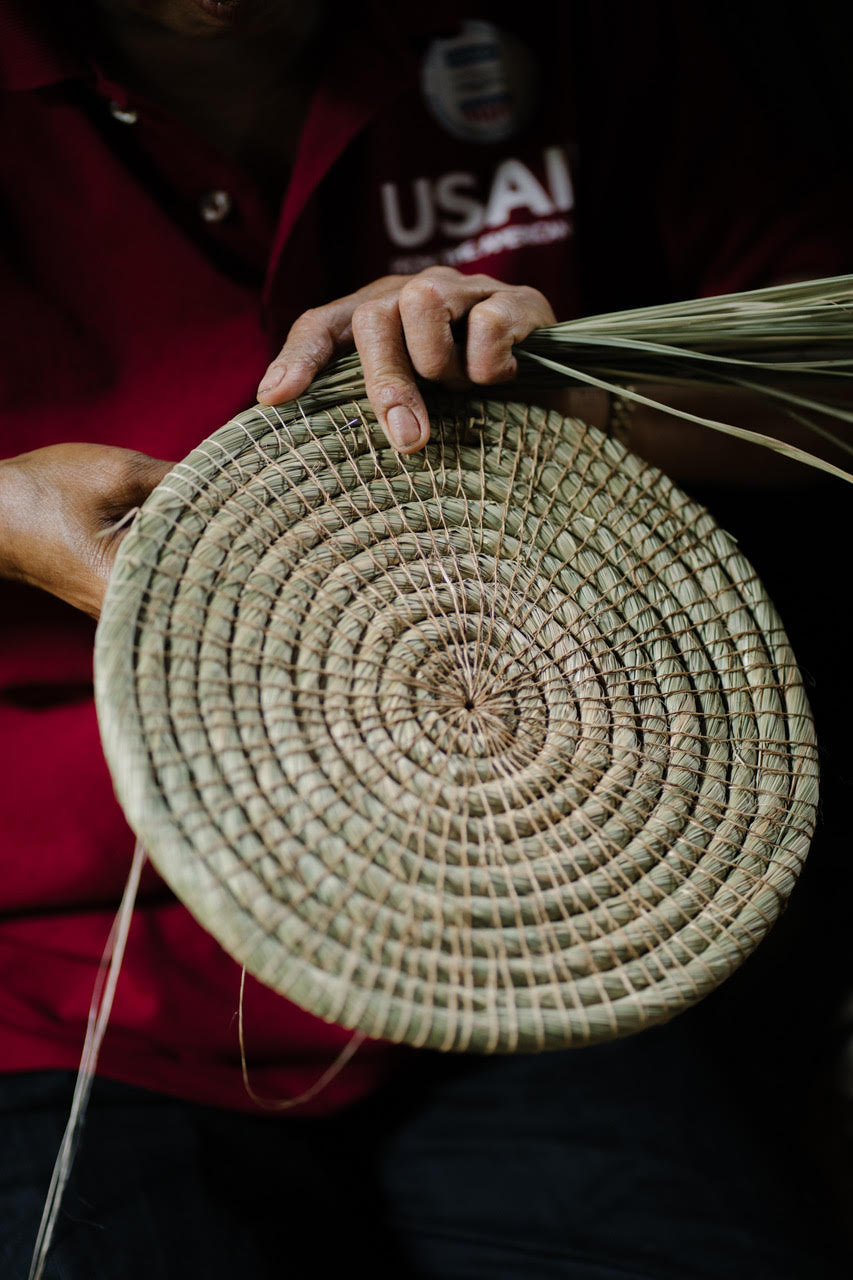
Furthermore, they have embarked on external community projects, like Brgy. Celestino Villacin, Cadiz City, where they utilize cogon grass—an invasive species—as a material for their project, providing additional income for farmers in the area.
Life-changing opportunities
Success is not achieved alone; it's the outcome of a community that builds, shares, and grows together. This mindset is exemplified by Hacienda Crafts, which is dedicated to uplifting its community and other locales within its province.
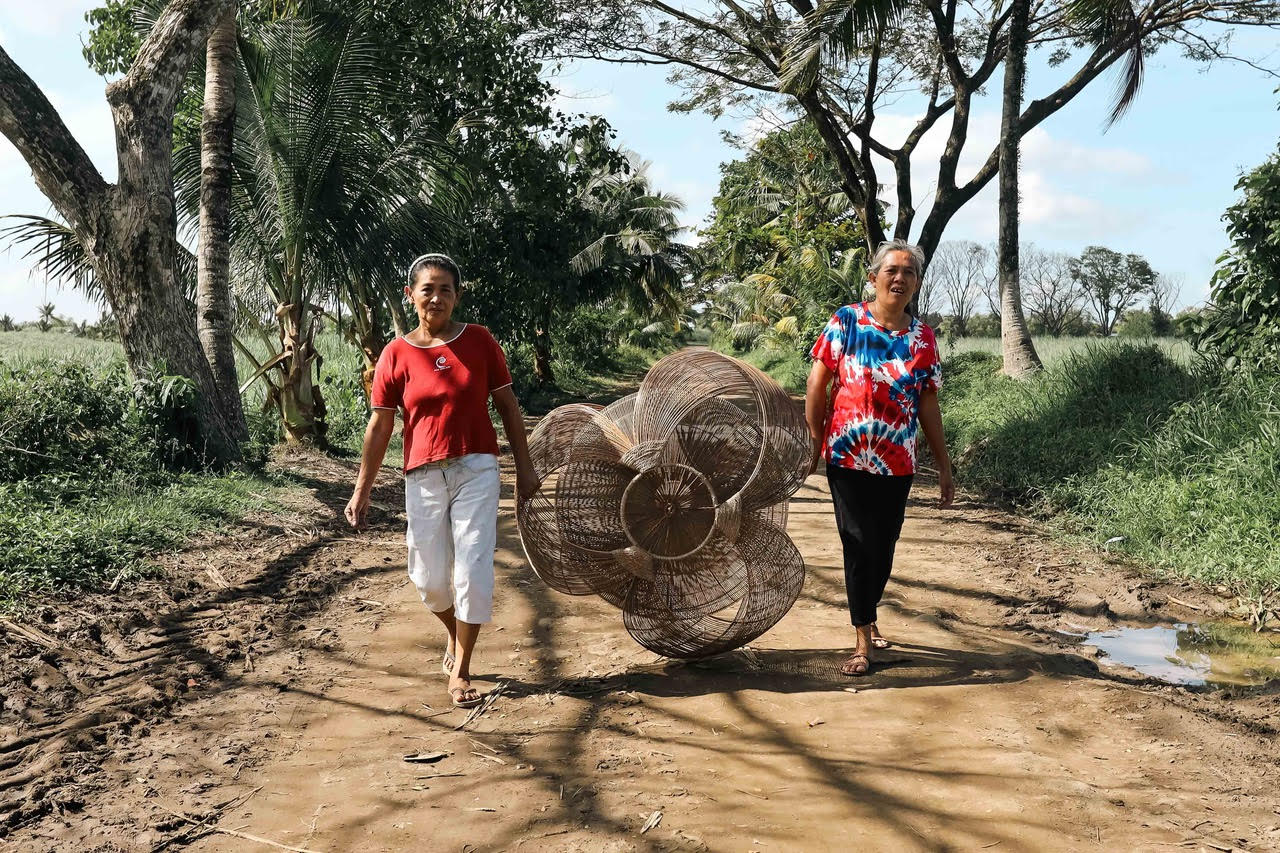
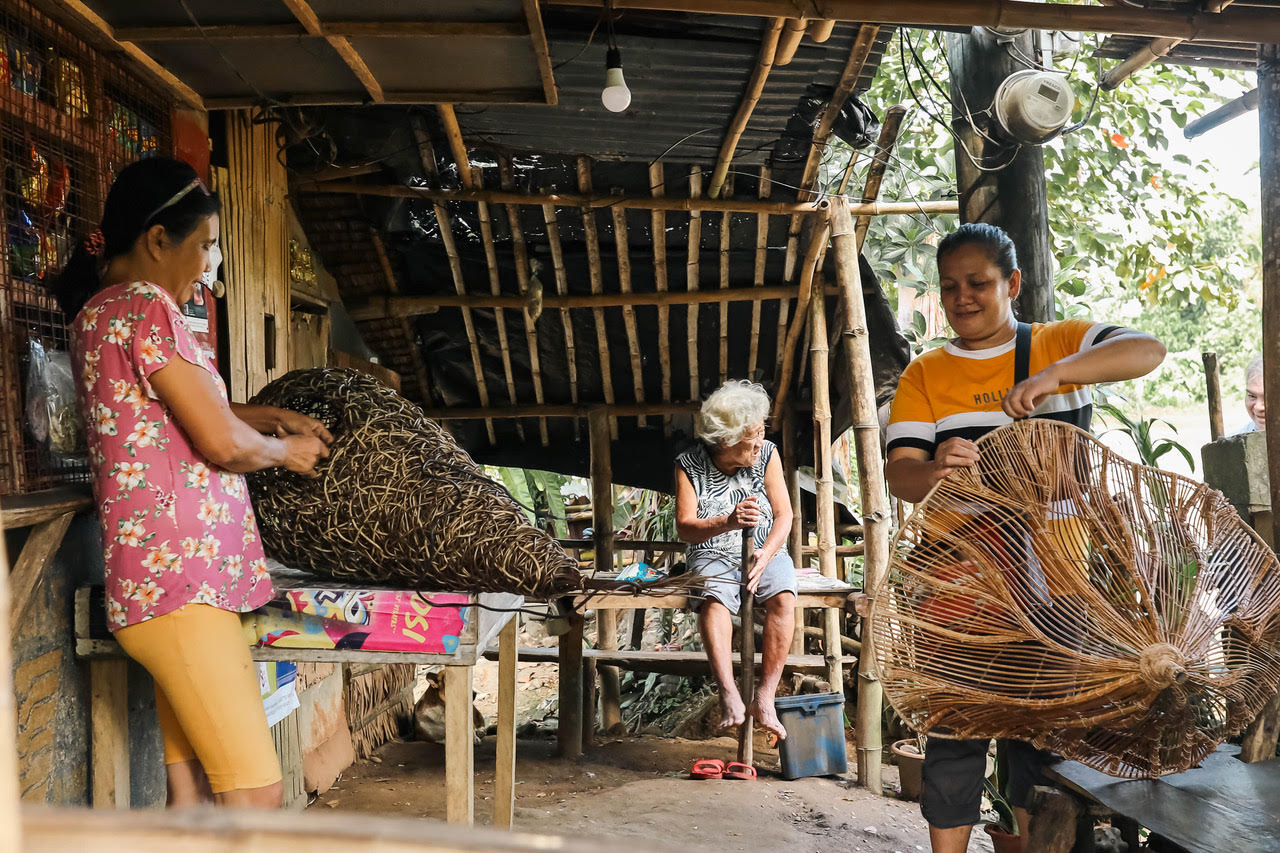
Since the beginning, all of their work has been carried out from home. The majority of their workforce comprises women who dedicate their spare time, while fulfilling their familial responsibilities. They are meticulously guided to meet quality standards, aiming to empower them to improve their lives.
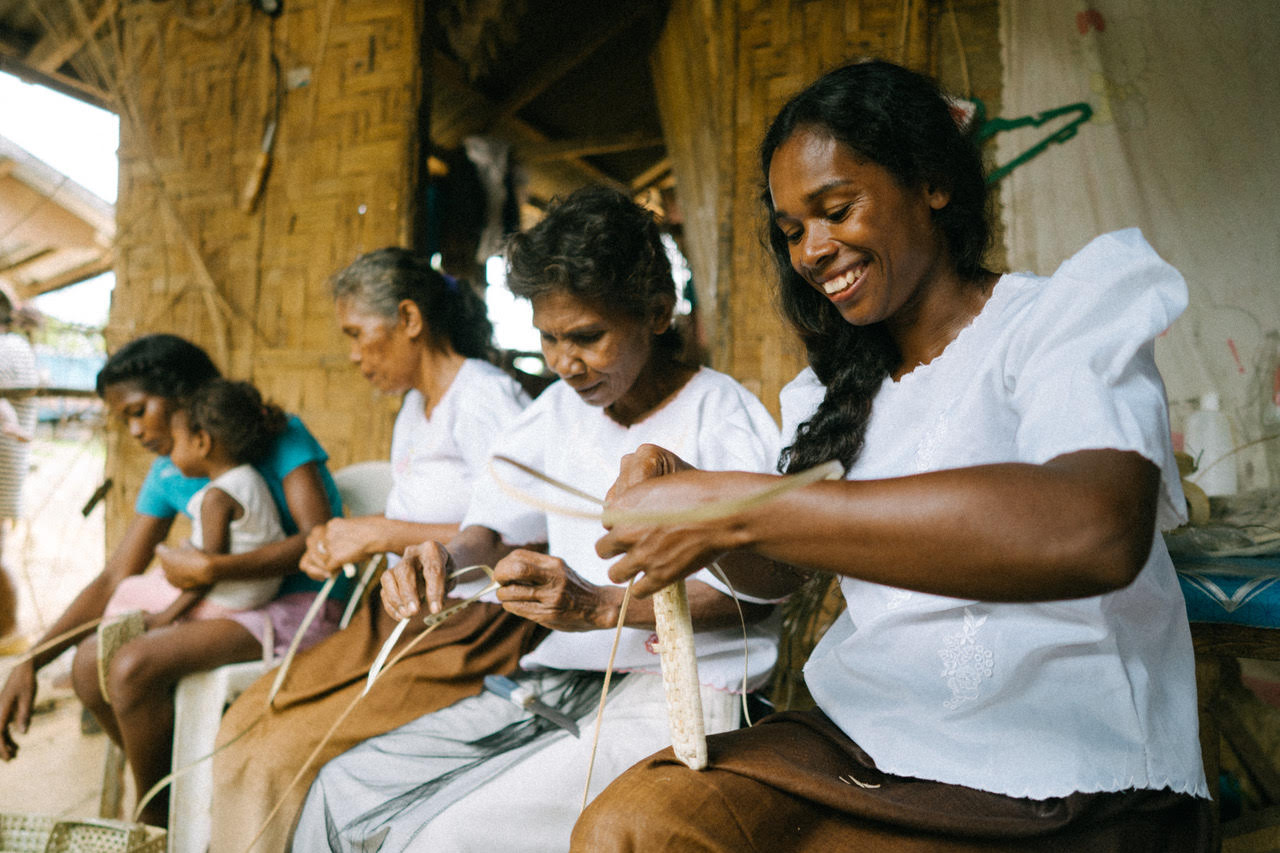
One of their notable project involves the Association of Negros Producers, wherein they extend their design expertise to communities identified as Geographically Isolated and Disadvantaged Areas (GIDA) through the Peace and Order Project of the province. Livelihood opportunities in these areas are scarce, and the initiative seeks to address this disparity.
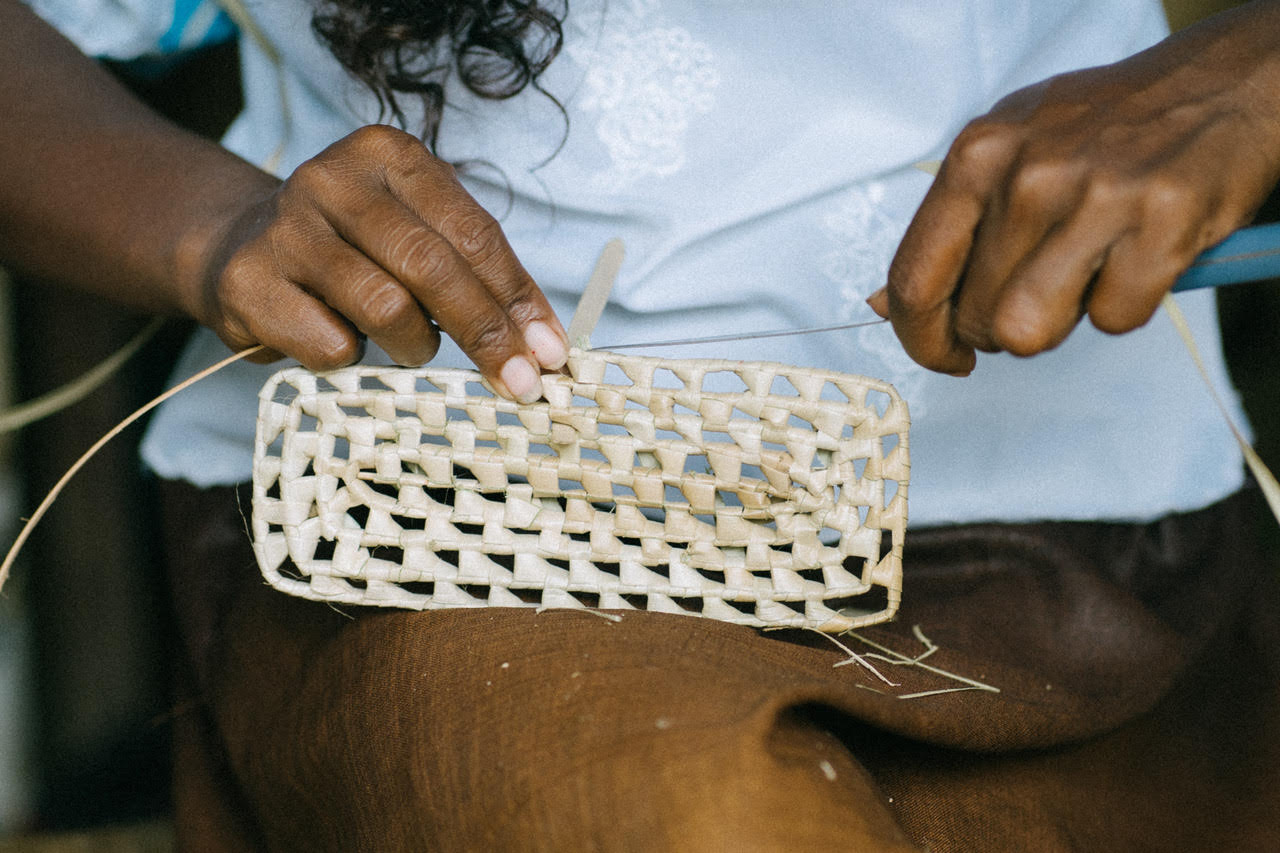
Their commitment to fostering positive change is fueled by success stories, such as that of their buri supplier. Joey shared an anecdote: "Another inspiring story is about our buri supplier, a farmer with a two-hectare farm who used to sell brooms in the central market. Upon hearing that we were purchasing buri in volume, he approached us. Since then, he has been our reliable supplier, expanding his farm in the process. Now, his children have pursued professional careers, and he has been able to improve his living conditions by cementing his house."
Hacienda Crafts serves as a reminder that design can be both aesthetically pleasing and environmentally sustainable, showcasing that sustainability is a way of life.