







Quiboloy won't be detained by House if...


At A Glance
- Kingdom of Jesus Christ (KOJC) church leader Pastor Apollo Quiboloy will apvoid getting arrested and detained at the House of Representatives if he personally appears at the chamber on or before March 15.
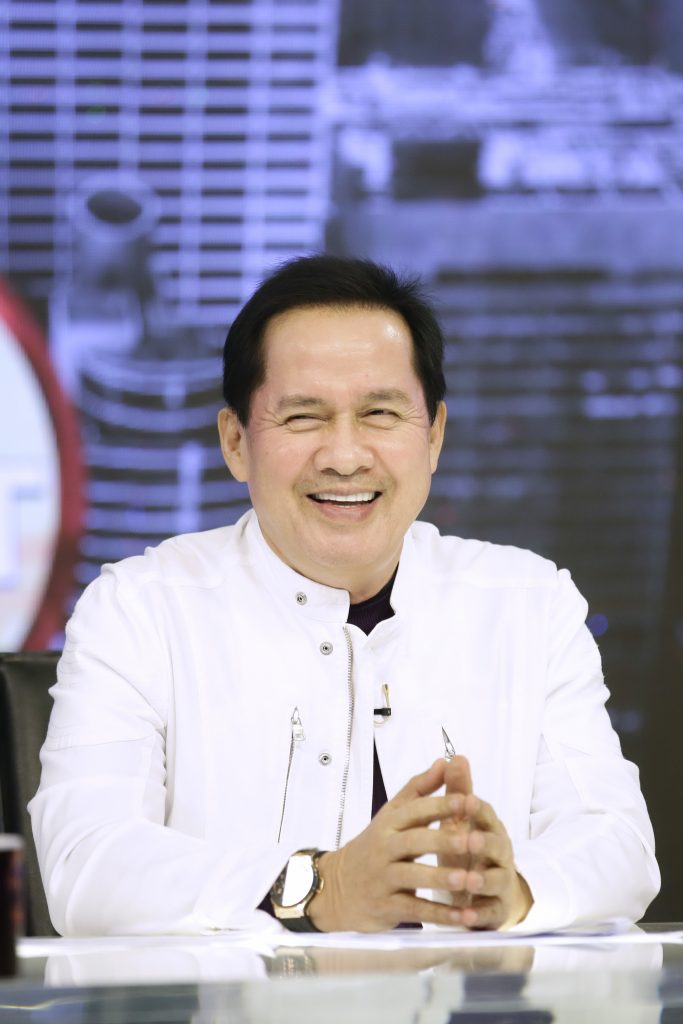 Kingdom of Jesus Christ (KOJC) church leader Pastor Apollo Quiboloy
Kingdom of Jesus Christ (KOJC) church leader Pastor Apollo Quiboloy has a chance to avoid getting arrested and detained at the House of Representatives.
This, despite his getting cited for contempt and ordered brought by authorities to House premises in Batasan Complex, Quezon City during a Committee on Legislative Franchises heaing Tuesday afternoon, March 12.
"We don't have to detain him," Tambunting said of Quiboloy right after the hearing.
"If he comes here on the date requested, then there will be no use; bakit ho nating kailangang [ikulong] (why would he detain him)?" stated Tambunting, referring to Friday, March 15.
Just before the hearing ended, lawyer Ferdinand Topacio managed to convince the panel to delay the implementation of the arrest order against his client, Quiboloy, pending their one-on-one meeting in Davao tomorrow, Wednesday.
ALSO READ:
"Your honor, could you give me at least until Friday? I will personally call on the honorable chairman to report [to him]...Up to the latest Friday, your honor," Topacio said.
The lawyer promised to the solons that in the interim, he would do his best "to try to advise [Quiboloy] with respect to the order....I will give it my best, good faith effort."
The deferment of implementation to Friday, March 15 was granted after the movants of the contempt citation acceded.
Topacio also assured the committee that Quiboloy had no plans of fleeing the country.