






 Philippines
National
Philippines eyes $100-B investment deals with US, Japan in trilateral meet
Philippines
National
Philippines eyes $100-B investment deals with US, Japan in trilateral meet
Philippines eyes $100-B investment deals with US, Japan in trilateral meet


The Philippines is looking to generate around $100 billion in investments in the next five to 10 years as a result of the historic trilateral meeting of President Marcos with US President Joe Biden and Japanese Prime Minister Fumio Kishida in Washington, DC.
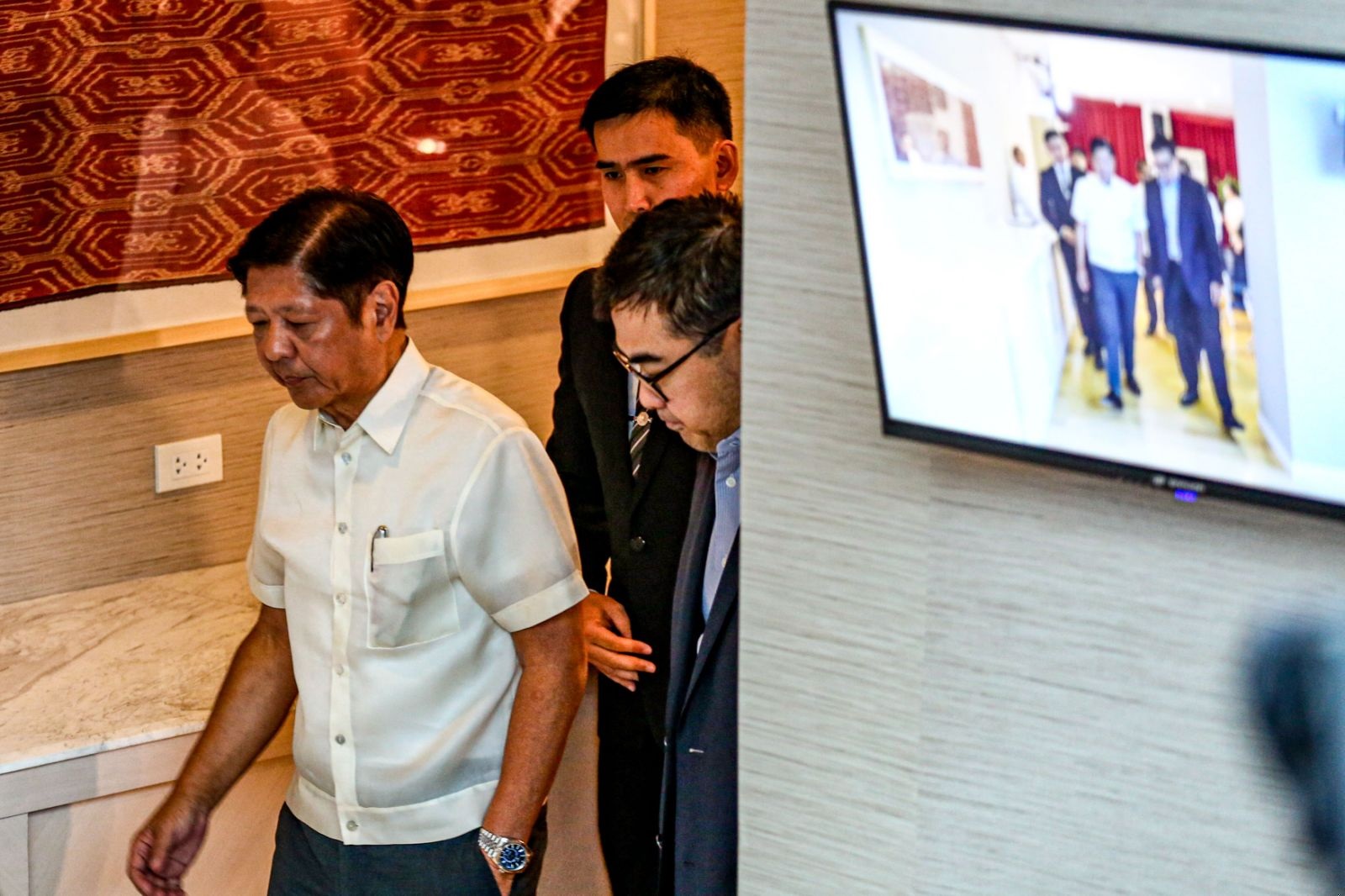
Philippine Ambassador to the United States Jose Manual Romualdez estimated around $100 billion in potential investment deals covering several sectors including energy, physical and digital infrastructure, among others.
“The figures that I have been hearing at, this may sound a little bit expanded in a way, but we’re talking about a hundred billion in investments in the next five to 10 years,” Romualdez said when asked about the ballpark figure of the expected investments in President Marcos’ visit to the US.
“We have a lot of areas where we are putting ourselves, our economic managers are putting our country into a situation where we’re opening up our economy especially in energy, which is very important for, and also, of course, digital infrastructure, and infrastructure, physical infrastructure as also one of the other aspects of our economic package that we’d like to offer for potential investors,” he added.
Romualdez added that Marcos is set to meet with companies such as Ultra Safe, one of the biggest contenders supplying small modular nuclear power plants.
The President will also meet with several businessmen in the US.
White House National Security Communications Advisor John Kirby said US Secretary of Commerce Gina Raimondo will host a discussion with her counterparts from the Philippines and Japan to enhance the maritime, trade and investment cooperation among the three countries.
Marcos arrived in Washington on Thursday morning (Manila time).
According to Malacañang, the plane carrying Marcos arrived at around 7:47 p.m. (US time) at Joint Base Andrews in Maryland.
Marcos is embarking on a two-day working visit, mainly for the trilateral meeting with Biden and Kishida to enhance the economic and maritime cooperation of the three countries.